
Last updated November 15, 2026
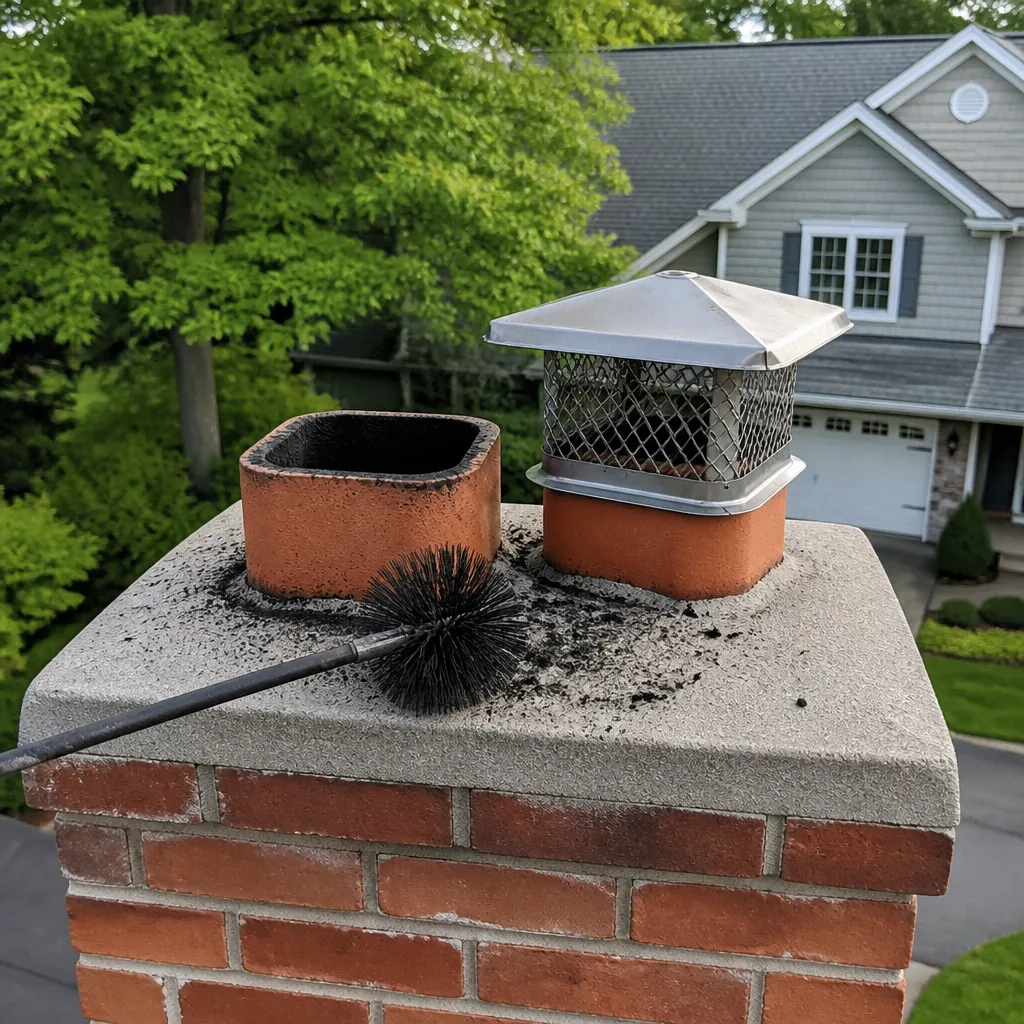 Sweep & inspection
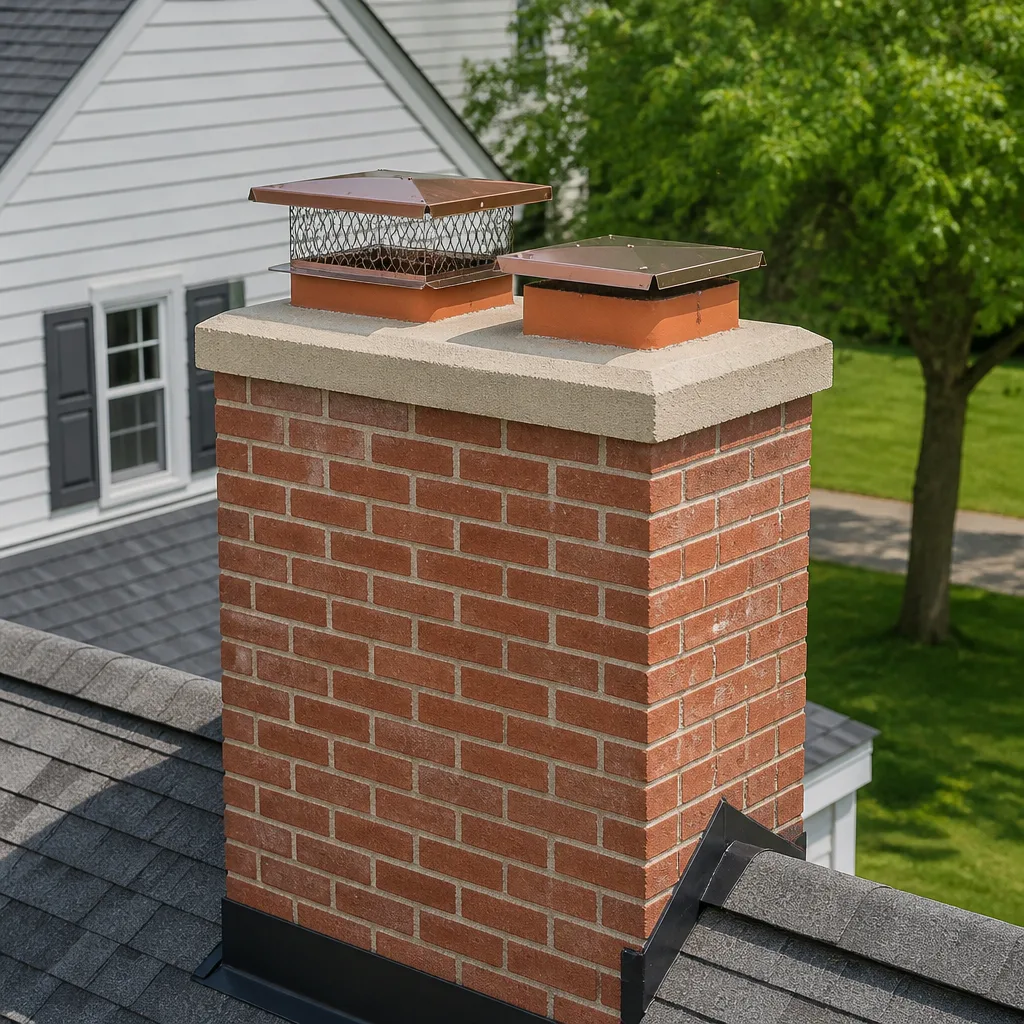 Caps & crowns
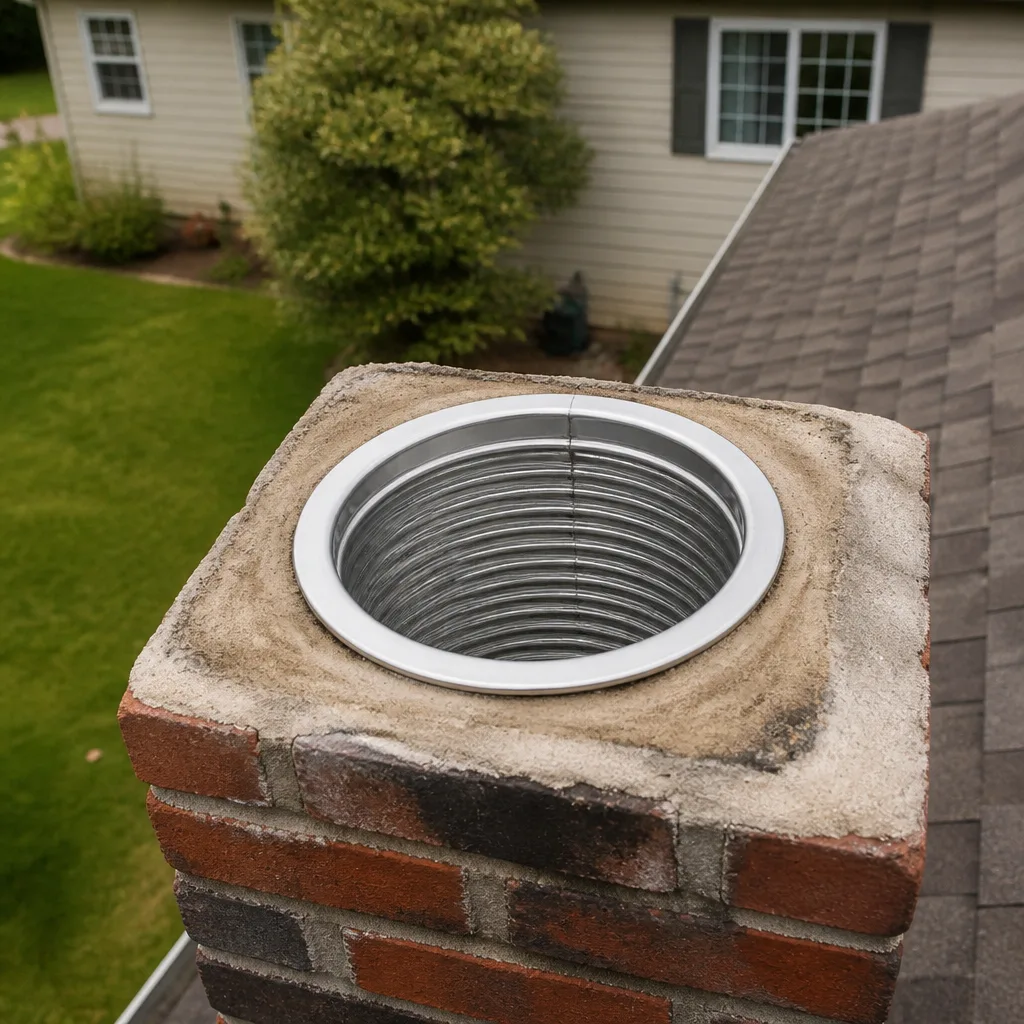 Flue relining
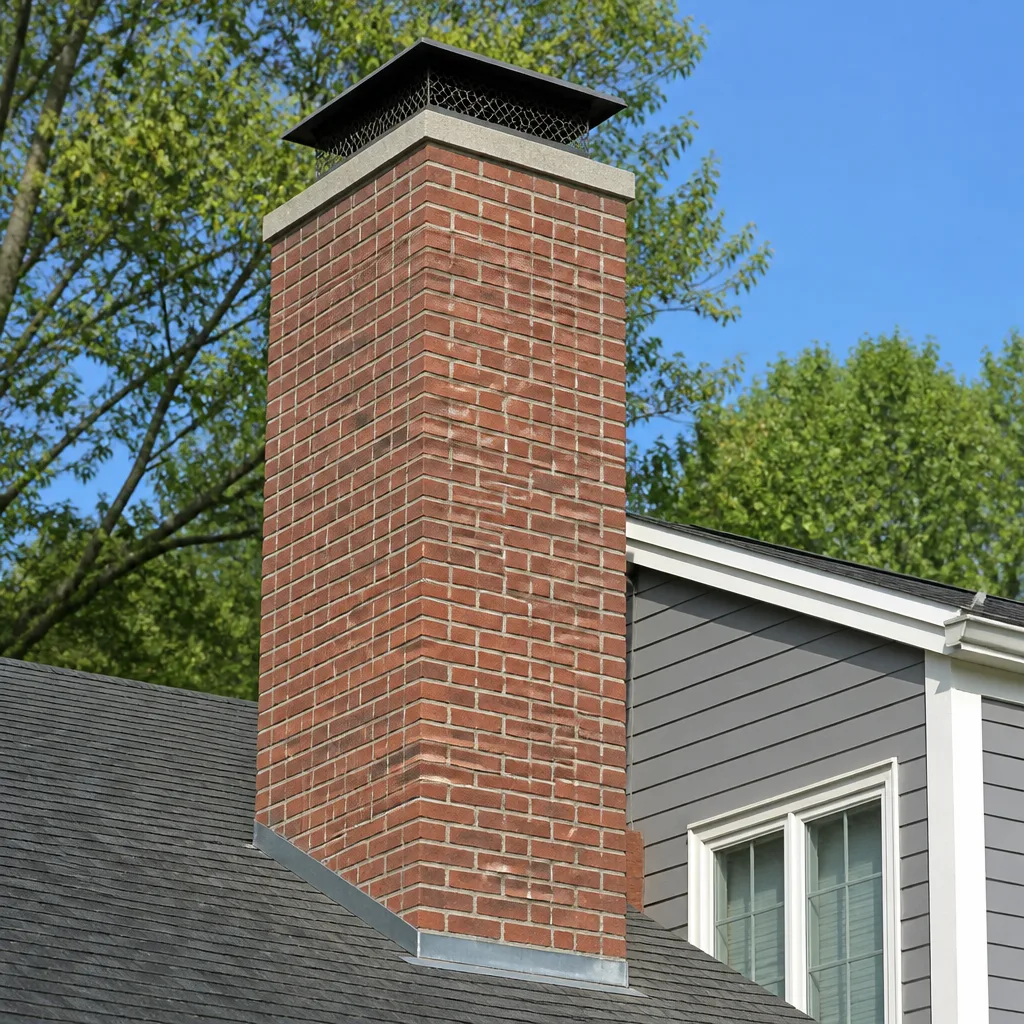 Masonry repair
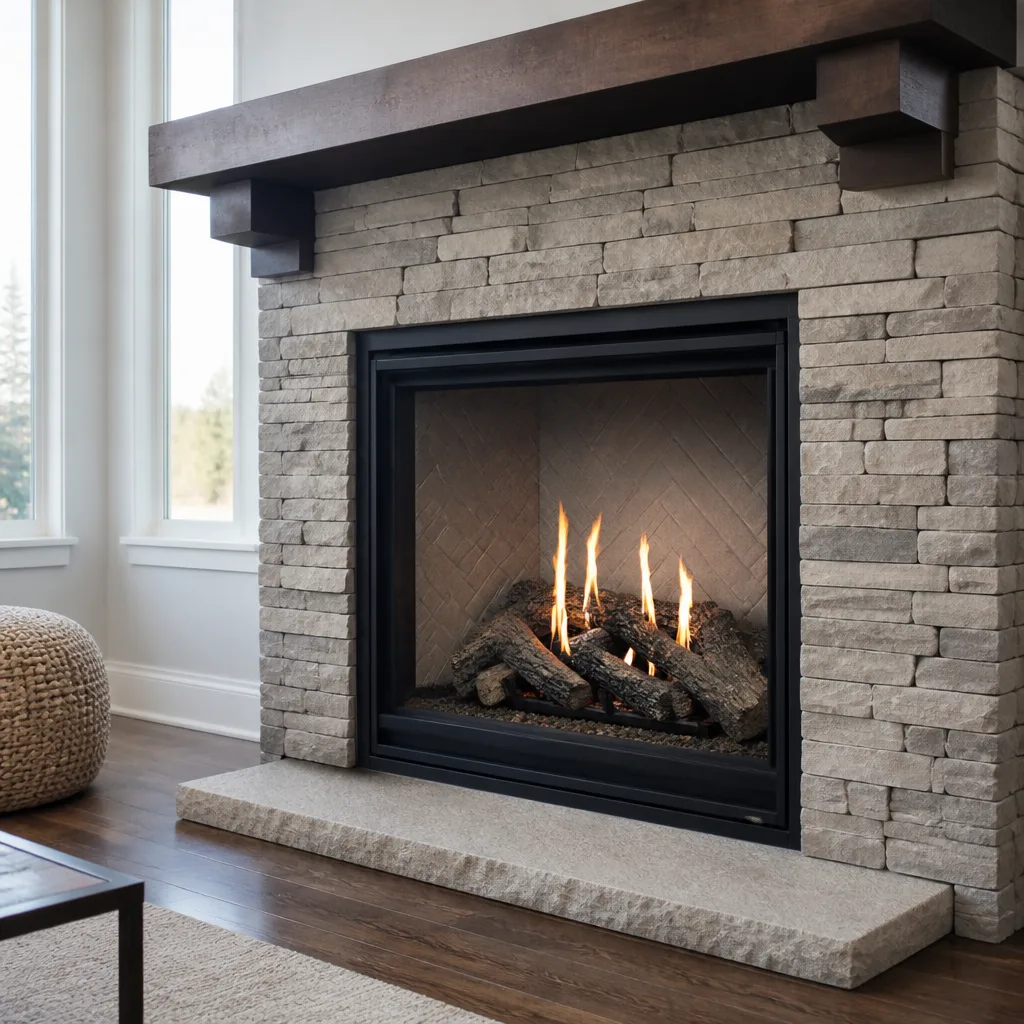 Gas fireplace service
Level 1 sweep and inspection to the NFPA 211 annual standard - flue, crown, cap, and flashing checked and photographed
Chimney sweep logs do not sweep chimneys. They loosen some creosote - which then falls where a brush and vacuum still have to collect it.
The Complete Guide to Chimney Cleaning in Edinburg
Most Edinburg homeowners light their fireplace fewer than twenty nights a year. That sounds like the safe end of chimney ownership, and it’s the reason a lot of chimneys here go years without being looked at. But infrequent, low-heat fires are exactly the conditions that build the sticky, glazed creosote that’s hardest to remove and easiest to ignite. Add South Texas humidity working on the mortar and liner between burns, and you have a maintenance profile that most national chimney guides never address. This guide maps the actual cleaning process to how Edinburg homes really use their fireplaces: what forms inside the flue, what a proper cleaning includes, how to verify the work, and when to call.
Quick Answer
Chimney cleaning in Edinburg removes soot, creosote, and debris from the flue and firebox, and a full professional service also includes a visual inspection of the liner, damper, and cap, with photos documenting what was found. Most wood-burning fireplaces need a sweep once a year or after roughly a cord of wood, whichever comes first, and Edinburg’s low-use, high-humidity pattern makes that annual check more important than the burn count suggests. Gas log sets still need an annual cleaning for blockages and liner checks even though they produce no creosote.
Styles & brands we work with
- Sweep & inspection
- Caps & crowns
- Flue relining
- Masonry repair
- Gas fireplace service
Table of Contents
- Why Edinburg Chimneys Age Differently
- The Three Stages of Creosote and Why Low-Use Fireplaces Are at Risk
- What a Full Professional Cleaning Actually Includes
- Gas Log Inserts Still Need Annual Cleaning
- How to Verify the Cleaning Was Done Properly
- What You Can Check Yourself and Where DIY Stops
- What Chimney Cleaning Costs in Edinburg
- Common Mistakes to Avoid
- When to Call a Professional
- Frequently Asked Questions
Why Edinburg Chimneys Age Differently
Chimney problems in Edinburg don’t look like chimney problems in cold-climate states, and that’s the first thing to understand. A chimney in a place with long, hard winters gets used constantly, and constant use keeps the flue warm and relatively dry between fires. Here, the fireplace sits idle most of the year while the air around it stays humid for months. The masonry absorbs moisture from the air, the firebox cools and warms with the seasons, and the mortar joints quietly soften. Nothing dramatic happens. That’s the point. The damage is slow and it hides behind a firebox door most homeowners never open.
Two local conditions drive this. First, the humidity itself. South Texas air holds a lot of water vapor, and masonry is porous. Mortar that stays damp loses its grip, and a liner that stays damp can develop surface deterioration faster than one that dries out between burns. Second, the burn pattern. A fireplace used a handful of times a year runs mostly cool fires: small loads, damp wood, a damper opened late, a fire that smolders down instead of burning hot. Cool fires don’t push enough heat up the flue to dry it out. They leave moisture and unburned residue behind.
What this means practically is that an Edinburg chimney can look fine from the living room and still have soft mortar, a cracked crown, or a flue full of glazed deposit. You can’t judge condition by appearance from below. The only reliable read comes from a proper sweep and inspection with a light and a camera. That’s why we treat the annual visit as a diagnostic appointment, not just a cleaning. From the first sweep to the final inspection, the goal is to know exactly what your flue is doing, in writing, before anything gets recommended.
Edinburg’s housing stock matters here too. Homes across neighborhoods like those near the university and the older blocks closer to the downtown square often have original masonry chimneys with decades of small, intermittent fires behind them. Newer construction on the city’s south and west edges tends to have factory-built fireplaces with metal liners, which age on a different schedule. Both benefit from an annual look, but for different reasons. A Chimney Sweep Edinburg visit starts by identifying which type you have, because the cleaning method and the inspection checklist differ between them.
The Three Stages of Creosote and Why Low-Use Fireplaces Are at Risk
Creosote is the residue left when wood smoke cools before it leaves the flue. It’s classified in three stages, and the stage matters more than the quantity. A flue with a little Stage 1 dust is a routine sweep. A flue with Stage 3 glazed deposit is a repair conversation. Here’s how the stages break down:
- Stage 1: Soot and flaky dust. Light, powdery, easy to brush away. Forms when fires burn reasonably hot and the flue stays warm. This is the normal, expected residue in a well-used fireplace.
- Stage 2: Sticky, crusty, and clinging. Forms when smoke cools too quickly, condensing onto the flue walls as a tar-like film. It hardens as it sits and bonds to masonry. A standard brush can struggle with it; rotary tools and chemical treatment are usually needed.
- Stage 3: Glazed and glassy. The hardest form, baked onto the flue surface in shiny, brittle layers. It’s difficult to remove, and it’s the form most associated with chimney fire risk because it burns hot and is easy to ignite. Stage 3 usually means the liner needs professional evaluation, and often resurfacing or replacement.
Here’s the counterintuitive part: the fireplaces with the worst creosote aren’t the ones used every night. They’re the ones used a dozen times a year, on damp wood, with the damper opened too late and the fire left to smolder. Cool smoke deposits more residue than hot smoke, and short burns never give the flue enough heat to dry out between sessions. That’s the exact pattern a lot of Edinburg fireplaces follow. Infrequent use, in this climate, is not protective. It’s the setup for Stage 2 deposits that accumulate quietly across several seasons.
In our experience, homeowners are genuinely surprised to learn the deposit level inside their flue. A fireplace that’s had maybe fifteen fires a year for five years can carry a deposit layer that never gets brushed away because the chimney was never swept. The fix is straightforward when it’s caught early. Stage 1 and light Stage 2 come off cleanly with rotary rods and the right brushes. Stage 3 is where a sweep turns into a repair estimate, and that’s why the annual visit matters more than the burn count suggests.
What a Full Professional Cleaning Actually Includes
A proper chimney cleaning is more than running a brush up the flue. It’s a documented process with a defined before, during, and after. Here’s what a full service should cover, in order:
- Setup and containment. Drop cloths over the hearth and floor, and a high-powered vacuum with the hose sealed to the firebox opening. The vacuum runs the whole time to keep soot out of the room. If a technician arrives without containment gear, that’s a sign the job will be messy.
- Level 1 inspection first. Before cleaning, we look at the firebox, damper, smoke chamber, flue, and cap with a light and a camera. This establishes the baseline: what’s actually in there and what condition the surfaces are in. A Level 2 inspection, which includes video scanning the full flue and accessing the attic or roof as needed, is often added when there’s a change in the system, a home sale, or signs of a problem found during the Level 1.
- Sweeping with rotary rods and brushes. Rotary rods spin a brush matched to the flue’s size and shape, scrubbing the walls rather than just dragging through the center. Flexible rods follow offsets and bends that a straight brush can’t reach. The brush type depends on the flue material and the creosote stage.
- Firebox, smoke chamber, and damper cleaning. This is where a lot of soot collects and where a rushed job skips. The smoke chamber above the damper is a common creosote trap, and it needs to be scraped and vacuumed, not just brushed past.
- Cap and crown check. The cap keeps rain, birds, and debris out. A cracked crown or missing cap lets moisture in, which is the single biggest driver of masonry damage in this climate. A good cap, like a Gelco unit, is one of the least expensive protections you can add.
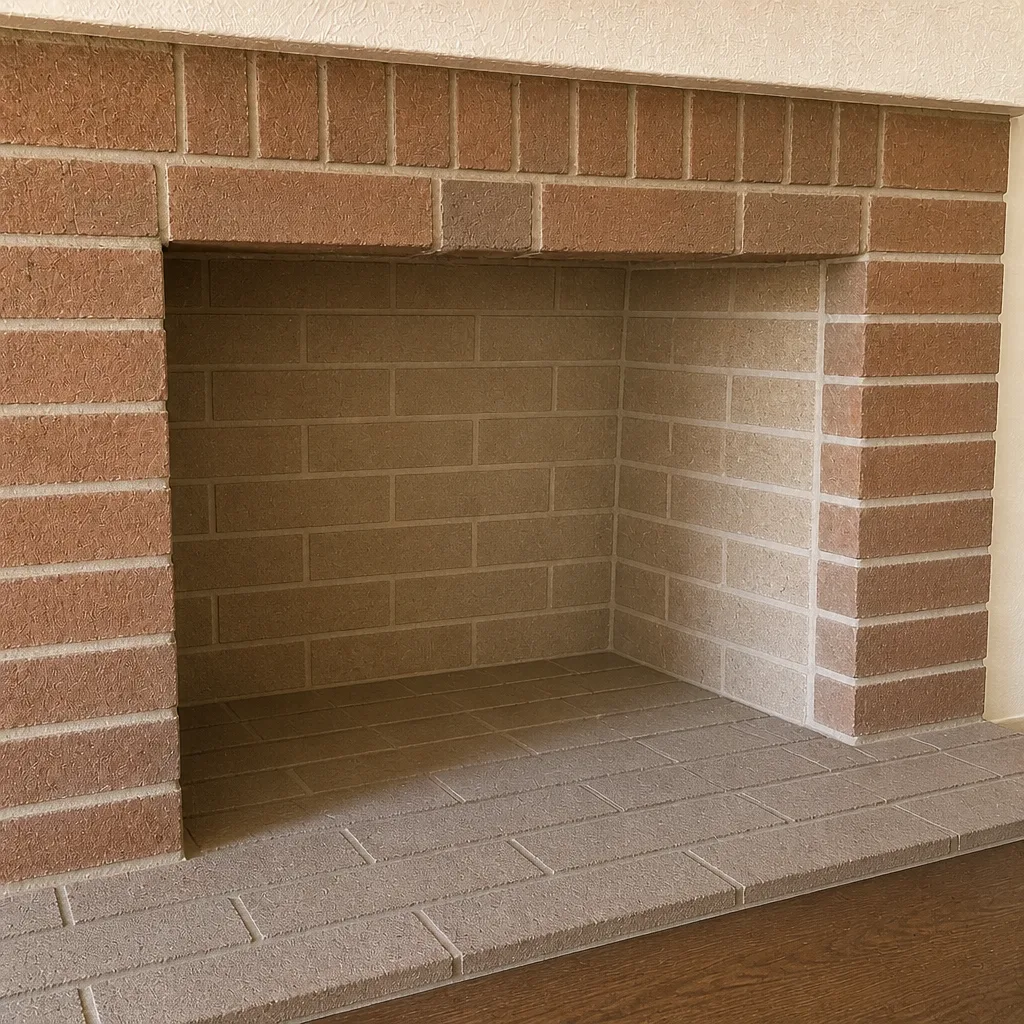
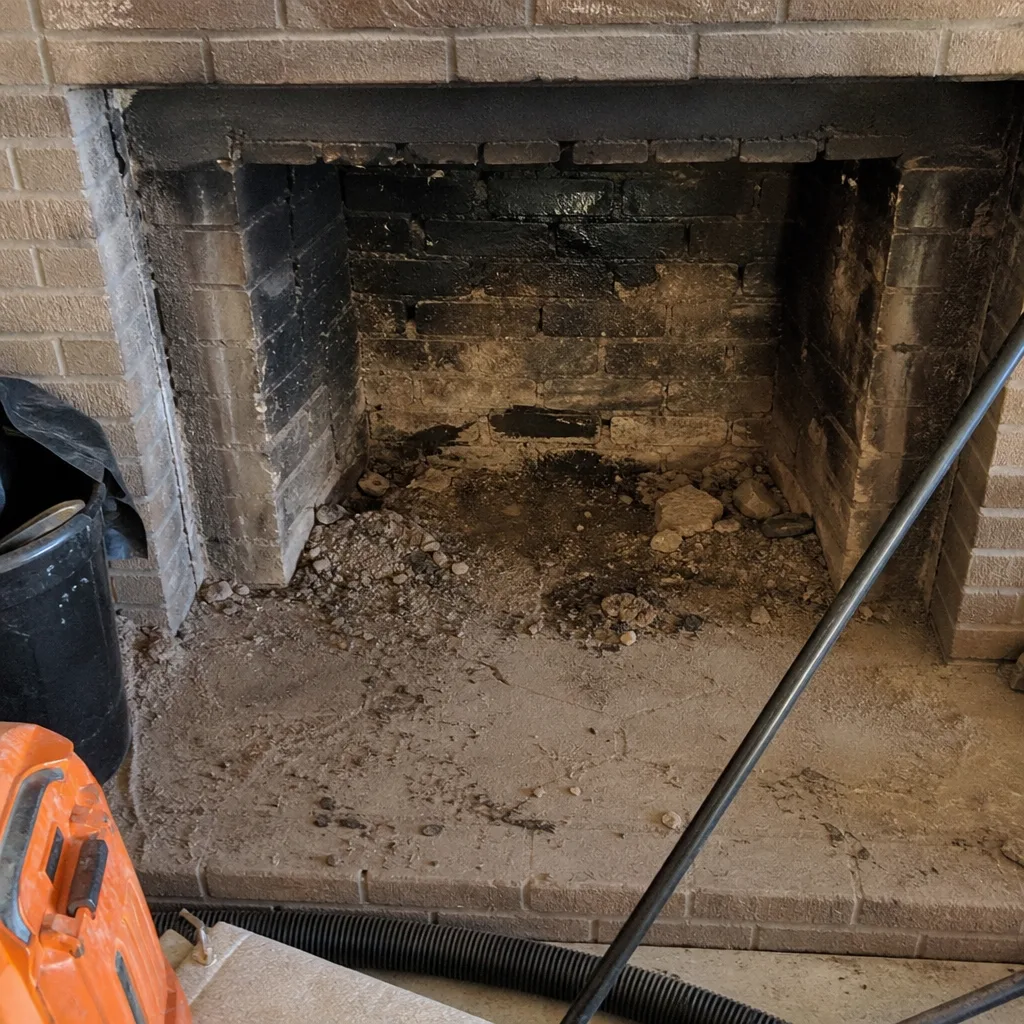
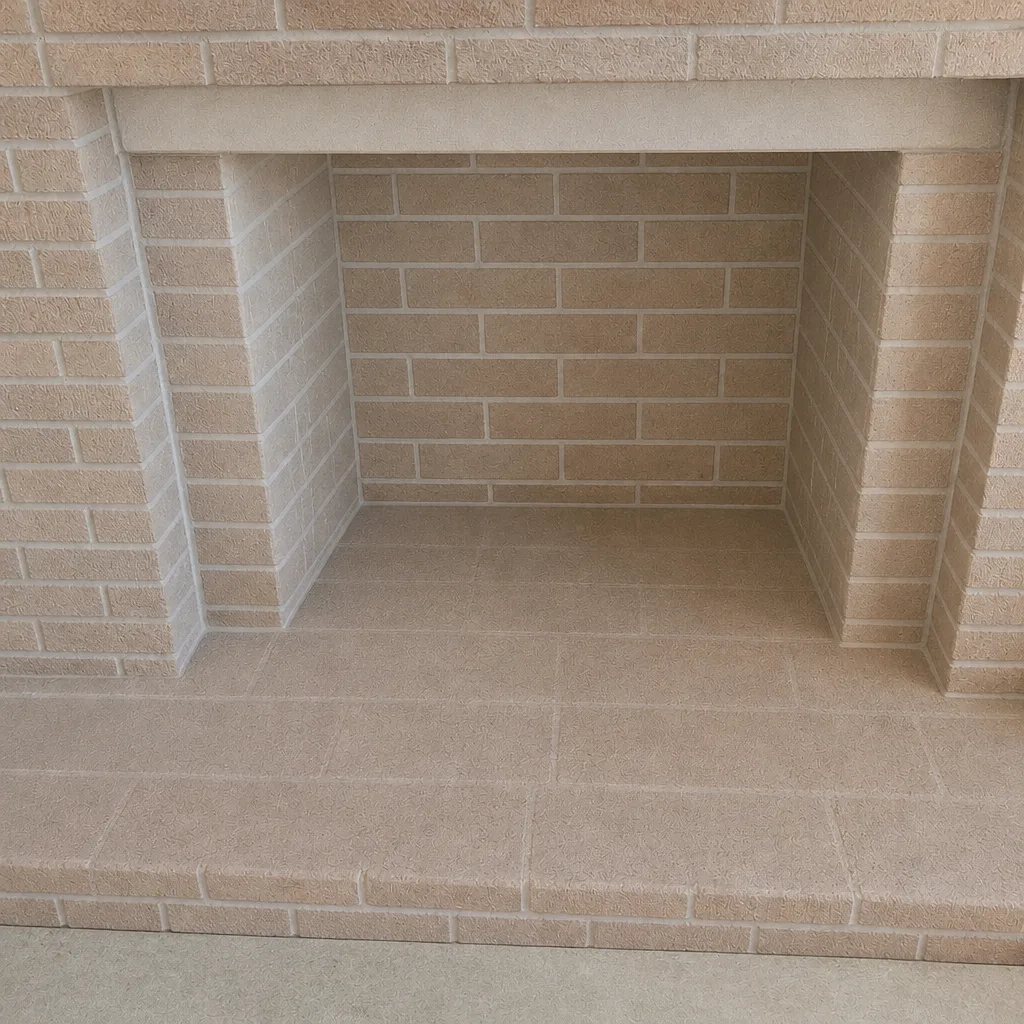
- Documentation. Photos of the flue before and after, notes on deposit level and stage, and a written summary of any issues found. This is the part that lets you verify the work and gives you a record for insurance or a future home sale.
We use rotary rods, appropriately sized poly brushes, and HEPA vacuums on every sweep, and the repair materials we keep on hand come from established chimney brands: DuraFlex flexible liner systems for replacements and complex retrofits, HeatShield for ceramic flue resurfacing, Olympia Chimney components, and Copperfield supplies. That matters when a sweep turns up a problem mid-visit. The right material for your specific flue is available, rather than a generalist’s best guess.
Gas Log Inserts Still Need Annual Cleaning
Gas log sets produce almost no creosote, so it’s easy to assume they need no maintenance. That’s a costly assumption. A gas appliance still vents combustion byproducts, and it still has a flue that can collect debris. Here’s what an annual visit covers on a gas fireplace:
- Blockage check. Birds, squirrels, and wasp nests build in flues regardless of what fuel you burn. A blocked flue on a gas appliance can push carbon monoxide back into the room. This is the single most important reason for the annual visit.
- Liner inspection. Gas exhaust is acidic and can degrade a liner over time. A visual inspection catches cracking or separation before it becomes a larger repair.
- Burner and log condition. Soot on the logs and blockages in the burner ports affect flame quality and efficiency. Cleaning restores proper combustion.
- Venting and draft check. The vent connector, damper position, and cap all need to be right for the appliance to draft correctly. Draft problems on gas appliances are a carbon monoxide concern, not just a performance one.
If your Edinburg home has a gas insert and you’ve never had it inspected, the first visit is the one that matters most. It establishes a baseline and confirms the flue is clear and the liner is sound. From there, an annual check keeps it that way. Same principle as wood: the fuel doesn’t change the need to look.
How to Verify the Cleaning Was Done Properly
You don’t need to inspect the flue yourself to know whether the job was done right. You need to know what a completed, documented cleaning looks like from the living room. Here’s what to check after the technician leaves:
- The room is clean. No soot on the hearth, floor, or furniture. Containment and a running vacuum are how a professional sweep keeps the room clean. A mess is a process failure.
- You have before-and-after photos. Ask for them if they aren’t offered. Photos of the flue interior before and after the sweep are the clearest proof the brush actually went the full length. A technician who can’t or won’t show them should be a red flag.
- You have a written report. Deposit level and stage noted, condition of liner, damper, crown, and cap described, and any issues flagged in plain language. If a repair is recommended, the report should explain what was found and why it matters, with the photo evidence attached.
- The firebox and smoke chamber are clean too. Soot that collects above the damper and in the smoke chamber is where a rushed job cuts corners. Open the damper and look up with a flashlight after the visit. It should be clean, not caked.
- The cap is back on and seated. A cap that’s loose or missing after a visit is a call-back. It’s also a standing invitation for rain and wildlife.
- Nothing was sold you that the evidence doesn’t support. This is the one that matters most. A recommendation for liner resurfacing or a new liner should come with photos and a plain explanation of what the deposit or damage is and what happens if it’s left. If repair work can safely wait, a good technician will say so. You should never be told you need thousands of dollars of work you have no way to verify.
One honest note on timing. In this climate, not every issue is urgent. If the inspection finds a small crack in the crown or light Stage 1 deposit and everything else is sound, that’s something to schedule, not something to panic about. If it finds Stage 3 glazing or a compromised liner, that’s a different conversation. Ask directly: “Can this wait safely, and until when?” A straight answer is a good sign.
What You Can Check Yourself and Where DIY Stops
There are a few useful things you can check on your own between professional visits, and there’s a hard line where DIY stops. Knowing the difference keeps you safe without wasting your time.
Check yourself: the damper opens and closes smoothly; the firebox has no obvious cracks or loose bricks; the cap is present and seated on the flue; and there’s no visible rust or staining on the exterior of the chimney. These are quick visual checks, and they tell you when to call sooner rather than later.
Where DIY stops is anything inside the flue, the smoke chamber, or the liner. That includes brushing, and it includes any repair involving the masonry or liner. The reason is twofold. First, the tools a proper sweep uses (rotary rods, correctly sized brushes, HEPA vacuums, and a camera) aren’t things you’d have on hand, and a hand-brushed flue done without them typically doesn’t clean the full length. Second, a chimney is a system, and a visual check from below can’t see a cracked liner, a soft mortar joint, or a smoke chamber full of glazed deposit. Those are the conditions that warrant professional evaluation, and they’re invisible without a trained eye and a light.
Our technicians have up to 8 years of experience working on flue systems specifically. That’s the difference between a general handyman with a brush and a chimney specialist: the specialist knows what the deposit level looks like at each stage and what the repair options are, and both come from daily work on chimneys. Chimney work, and only chimney work. That focus is why the inspection part of the visit is as valuable as the cleaning part.
What Chimney Cleaning Costs in Edinburg
Chimney cleaning in Edinburg is priced per job by a written estimate, and the price depends on the type of flue, the deposit level, and whether inspection or repair work is added. A standard sweep with a Level 1 inspection is the base service. A Level 2 video inspection, or repairs found during the sweep, are quoted separately. The written estimate sets the final price, and the estimate is free.
What’s not negotiable is the scope. Anyone can quote a number over the phone; the number that matters is the one that reflects what your specific flue actually needs. We scope every visit to the real condition of the chimney, not a flat rate that assumes every flue is the same. If a sweep turns up Stage 1 deposit and a sound liner, you pay for a sweep. If it turns up something more, you see the photos and the estimate before any repair work begins.
If you’re preparing for a home sale, the inspection report matters as much as the cleaning. A documented, photo-backed report gives a buyer’s inspector something concrete to work from, and it’s the credible record a real estate transaction needs. From the first sweep to the final inspection, that’s the sequence we follow, single point of contact, nothing handed off.
Chimney cleaning cost factors in Edinburg
- Type of appliance: wood-burning fireplace, insert, or gas log set.
- Type of flue: masonry versus factory-built metal liner.
- Deposit level: Stage 1 sweeps are routine; Stage 2 and Stage 3 require additional rotary work or treatment.
- Inspection level: Level 1 included with a standard sweep; Level 2 video inspection added when needed.
- Repairs found: cap, crown, liner resurfacing, or liner replacement, quoted separately with photo evidence.
See the difference
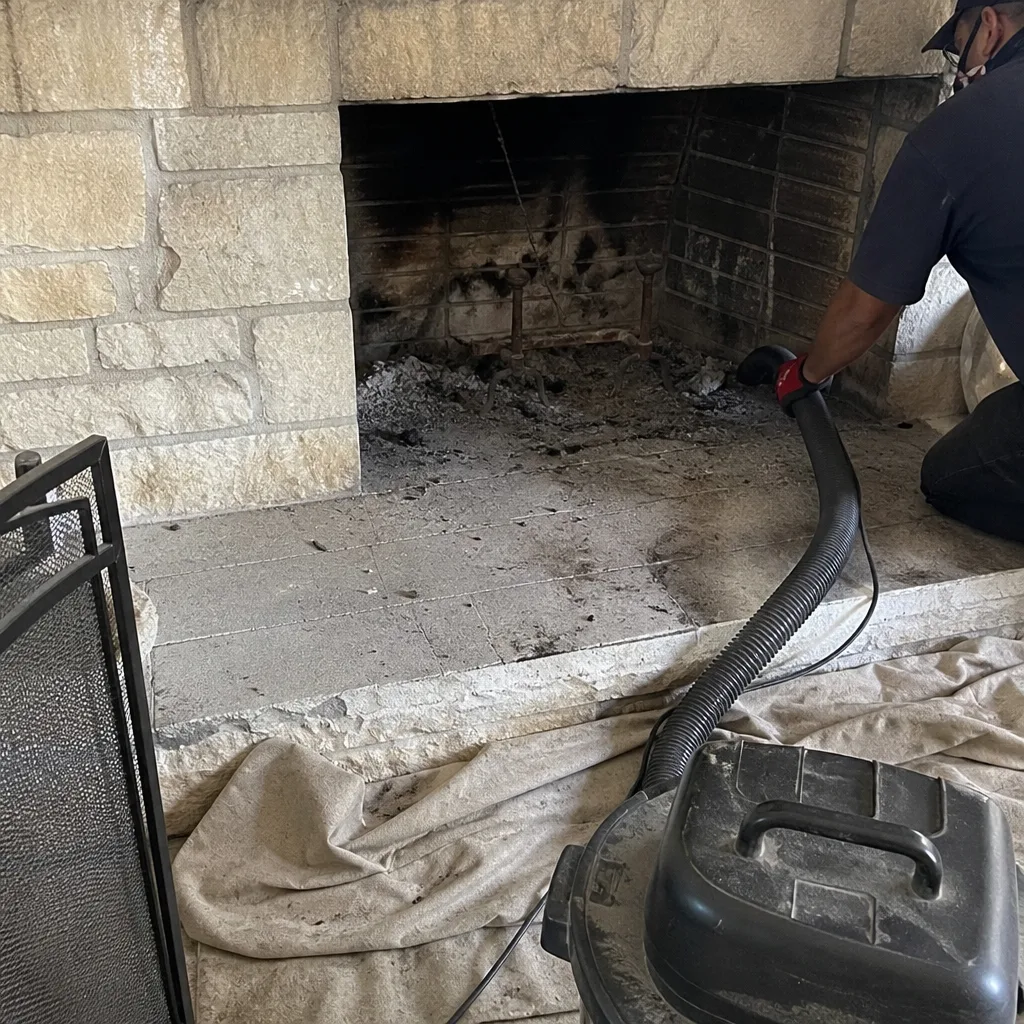 Before
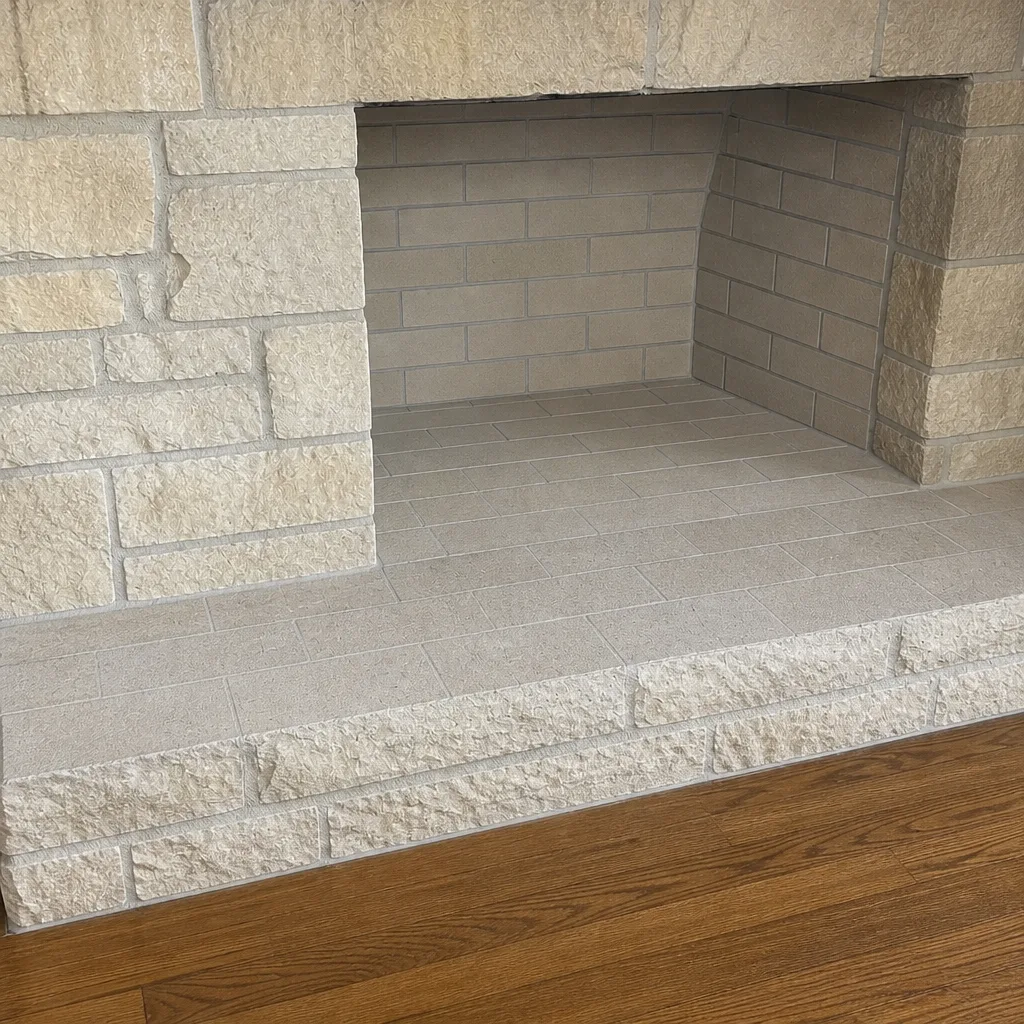 After
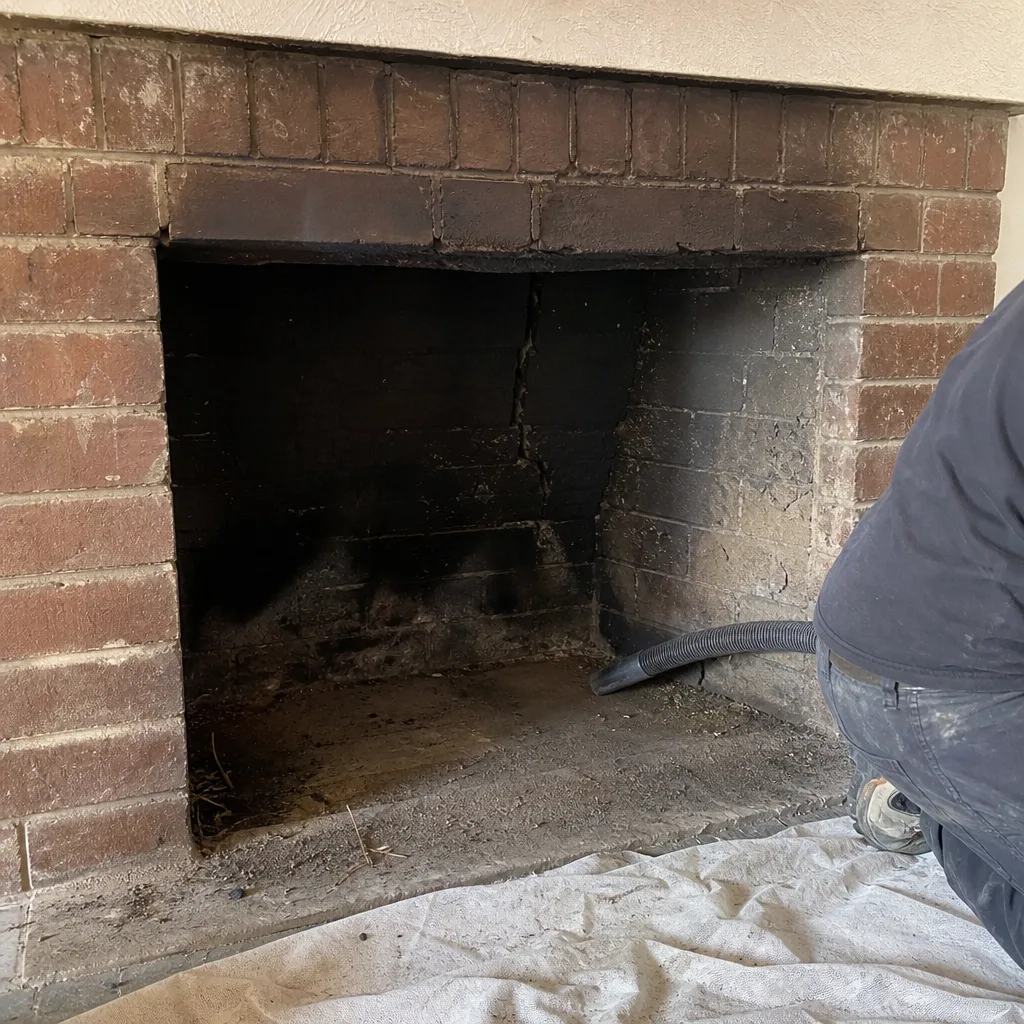 Before
 After
 Before
 After
Common Mistakes to Avoid
- Skipping the sweep because the fireplace gets light use. Low-use fireplaces are exactly the ones that build Stage 2 creosote, because cool, intermittent fires deposit sticky residue in a flue that never gets hot enough to dry out. Light use in this climate argues for annual inspection, not against it.
- Burning unseasoned or damp wood. Damp wood burns cool and smolders, which is the creosote recipe. Seasoned wood burns hotter and leaves less behind. If your fire hisses and the wood feels heavy, it’s not ready.
- Ignoring a missing or damaged cap. A cap is one of the cheapest protections on the chimney, and a missing one lets rain and wildlife in. In a humid climate, moisture is the thing that quietly degrades mortar and liner, and the cap is the first line of defense.
- Hiring a sweep who won’t show before-and-after photos. The photos are the proof the brush went the full length and the smoke chamber was cleaned. A sweep without them is a claim you can’t verify.
- Assuming a gas log set needs no cleaning. Gas fireplaces don’t make creosote, but they still get blockages and liner wear, and a blocked flue on a gas appliance is a carbon monoxide concern. Annual inspection is not optional for gas.
- Treating a sweep as a sales visit. A recommendation for liner resurfacing or replacement should come with photos and a plain explanation of what was found. If repair work can safely wait, a good technician tells you so instead of pushing it.
- Waiting until you smell smoke or see staining to call. Problems inside the flue are usually invisible from the living room until they’re expensive. The annual visit exists to catch them while they’re still small.
When to Call a Professional
Call a professional chimney sweep in Edinburg when any of these apply: you can’t remember the last time the chimney was swept; you’ve had a chimney fire, even a small one; there’s a strong smoke smell in the house during or after a fire; you see staining, rust, or cracked masonry on the exterior; a neighbor has had a bird or animal in their flue; you’re buying or selling a home and need a documented inspection; or you’ve switched to gas and the appliance has never been checked. Any one of these is enough. A chimney fire can start and burn out without anyone noticing, and the deposit that caused it stays in the flue.
One more trigger worth naming: if you’ve never had a Level 2 video inspection and the chimney is older or its history is unknown, that’s a good first visit. It establishes a baseline and gives you a written record to compare against next year. Chimney Sweep Edinburg offers free estimates in Edinburg. Call (833) 754-6303. We answer 24/7. Fast dispatch from 7am to 7pm, Sunday through Friday, and we’re closed Saturday. Call (833) 754-6303 for an exact quote. Estimates are free.
For homes across Indian Hills and nearby neighborhoods, the process is the same: inspect, document, then decide. If you’re in the market for a chimney repair, the starting point is always the inspection report, never a guess from the driveway. And if you’re just due for a routine chimney sweep, the annual visit is the easiest way to stay ahead of the maintenance.
Frequently Asked Questions
Chimney cleaning in Edinburg is priced per job by a written estimate, and the estimate is free. The price depends on the flue type, deposit level, and whether a Level 2 inspection or repairs are added. Call (833) 754-6303 for an exact quote. Estimates are free.
Most wood-burning fireplaces should be swept once a year, or after roughly a cord of wood, whichever comes first. In Edinburg’s climate, the annual visit matters even more than the burn count suggests because humidity works on the mortar and liner between infrequent fires. If you’ve skipped a year, call (833) 754-6303 to book a sweep.
Not always, and a good technician tells you when you don’t. A new liner is recommended when the inspection shows a compromised or deteriorated flue that can’t safely be resurfaced. You should see photo evidence and a plain explanation before any repair is approved. Call (833) 754-6303 to schedule an inspection and get a straight answer.
Creosote builds up, and the stage advances: Stage 1 dust becomes Stage 2 sticky deposit, which can become Stage 3 glazing that’s hard to remove and easy to ignite. On a gas appliance, skipping the annual check means a blocked flue can go unnoticed, which is a carbon monoxide concern. Call (833) 754-6303 to get on a schedule. Estimates are free.
Because gas appliances still get blockages from birds, animals, and debris, and the liner can degrade from acidic exhaust. A blocked flue on a gas fireplace is a carbon monoxide risk, not just a performance issue. An annual inspection catches it while it’s a quick fix. Call (833) 754-6303 to book one.
Photo evidence of the flue before and after, the deposit level and stage, the condition of the liner, damper, crown, and cap, and any recommended repairs explained in plain language with the photos attached. If a technician won’t show you the photos, that’s a reason to ask. Call (833) 754-6303 for a documented inspection.
The Bottom Line
Chimney cleaning in Edinburg isn’t a soot-removal chore for heavy fireplace users. It’s an annual check that catches the specific pattern this climate produces: humidity quietly working on mortar and liner between infrequent, cool fires that build sticky Stage 2 creosote. The stages matter more than the quantity, the annual visit matters more than the burn count, and photo documentation is what lets you verify the work and know when a repair can safely wait. Gas log sets need the same annual look. When you’re ready, call (833) 754-6303. We answer 24/7. Fast dispatch from 7am to 7pm, Sunday through Friday. We’re closed Saturday. Estimates are free, and the written estimate sets the final price. We use the same brands the pros use, built to last, not just to pass.
Written by the team at Chimney Sweep Edinburg.