
Last updated November 15, 2026
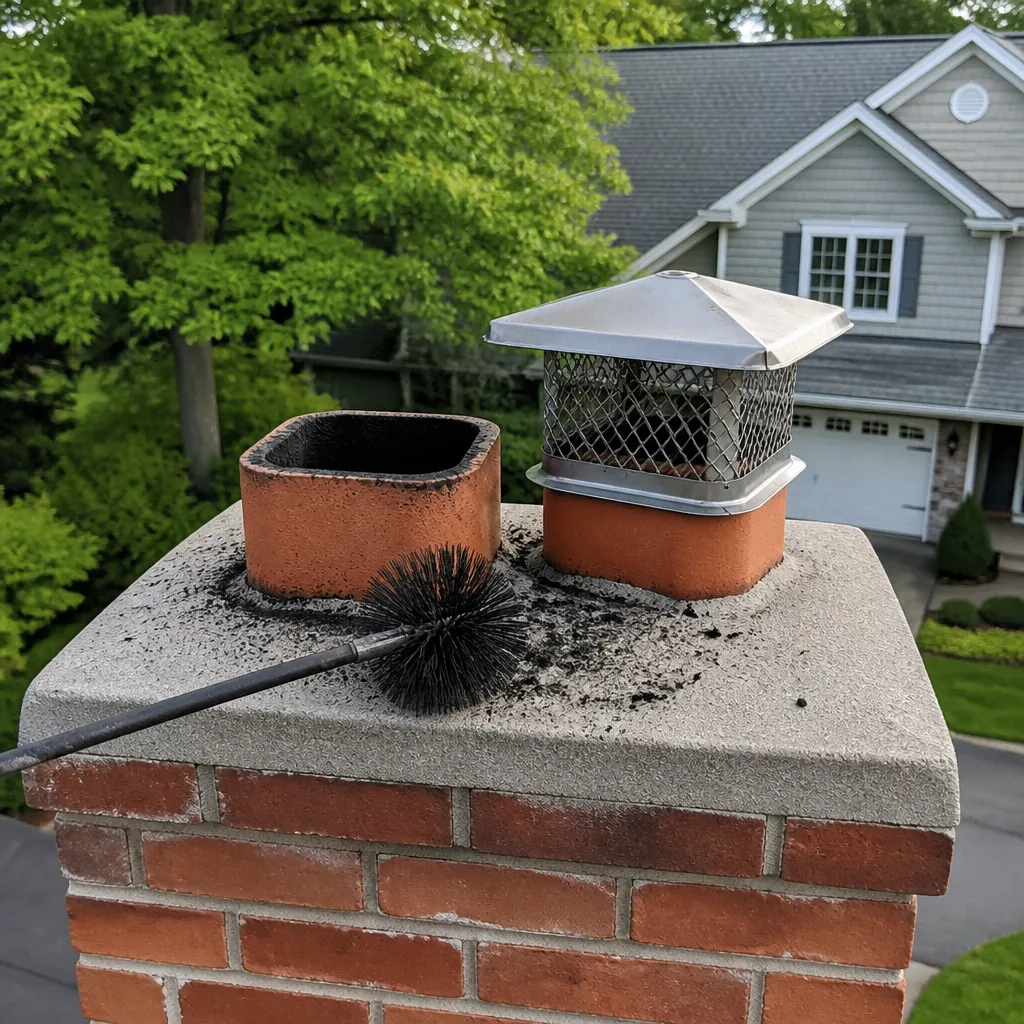 Sweep & inspection
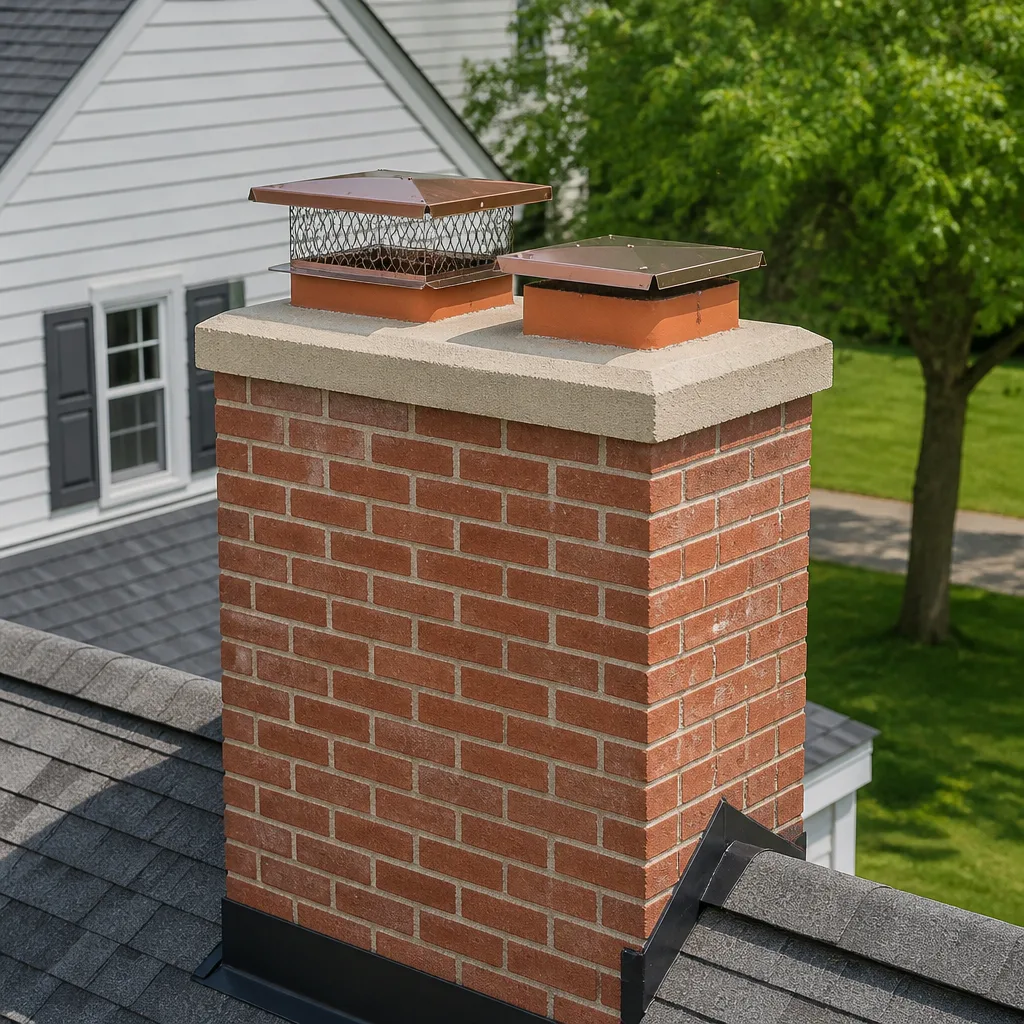 Caps & crowns
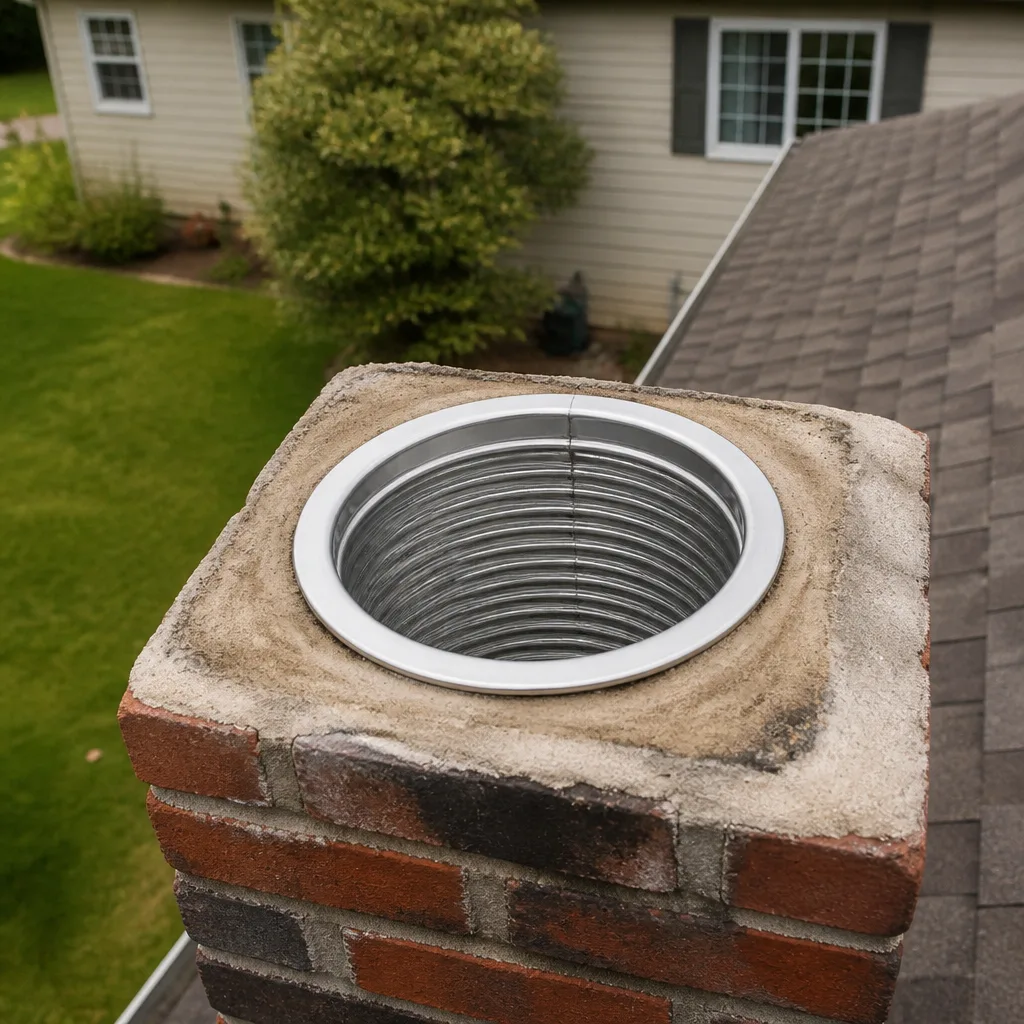 Flue relining
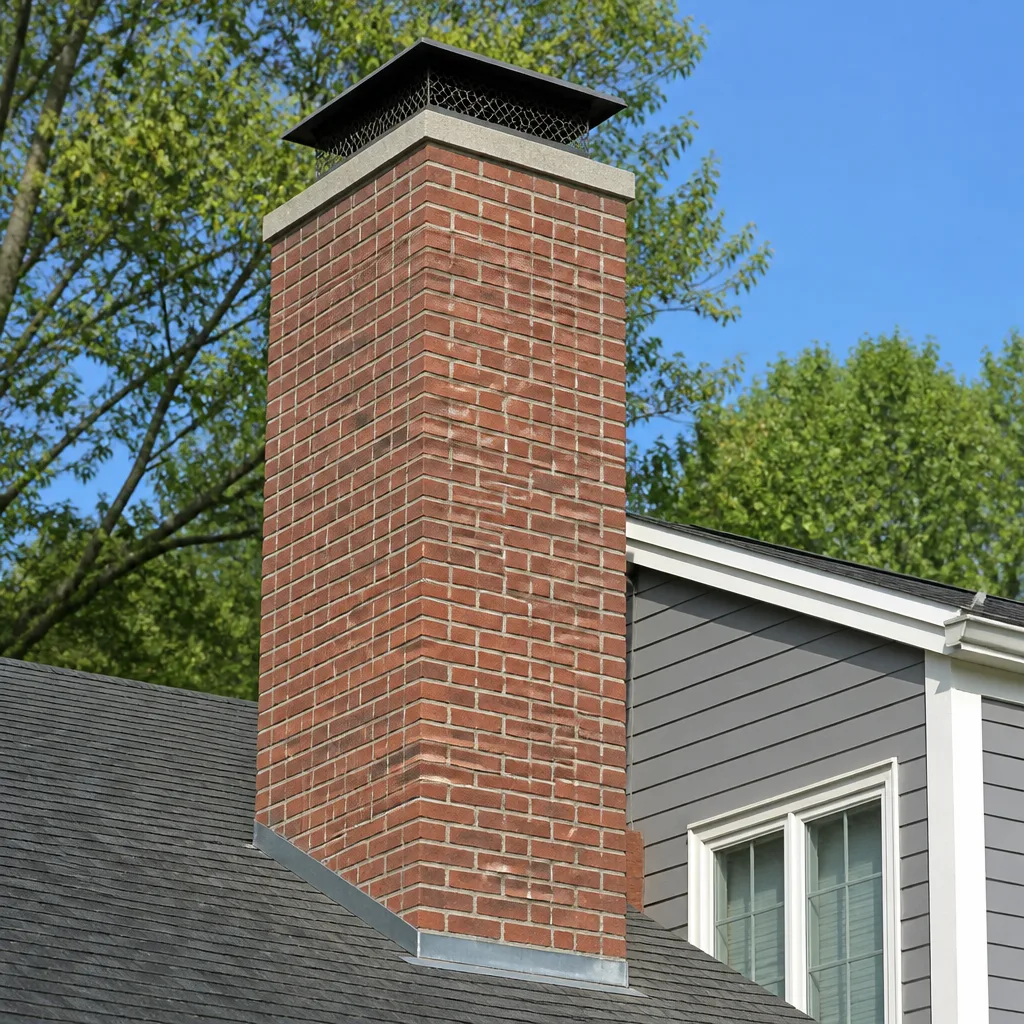 Masonry repair
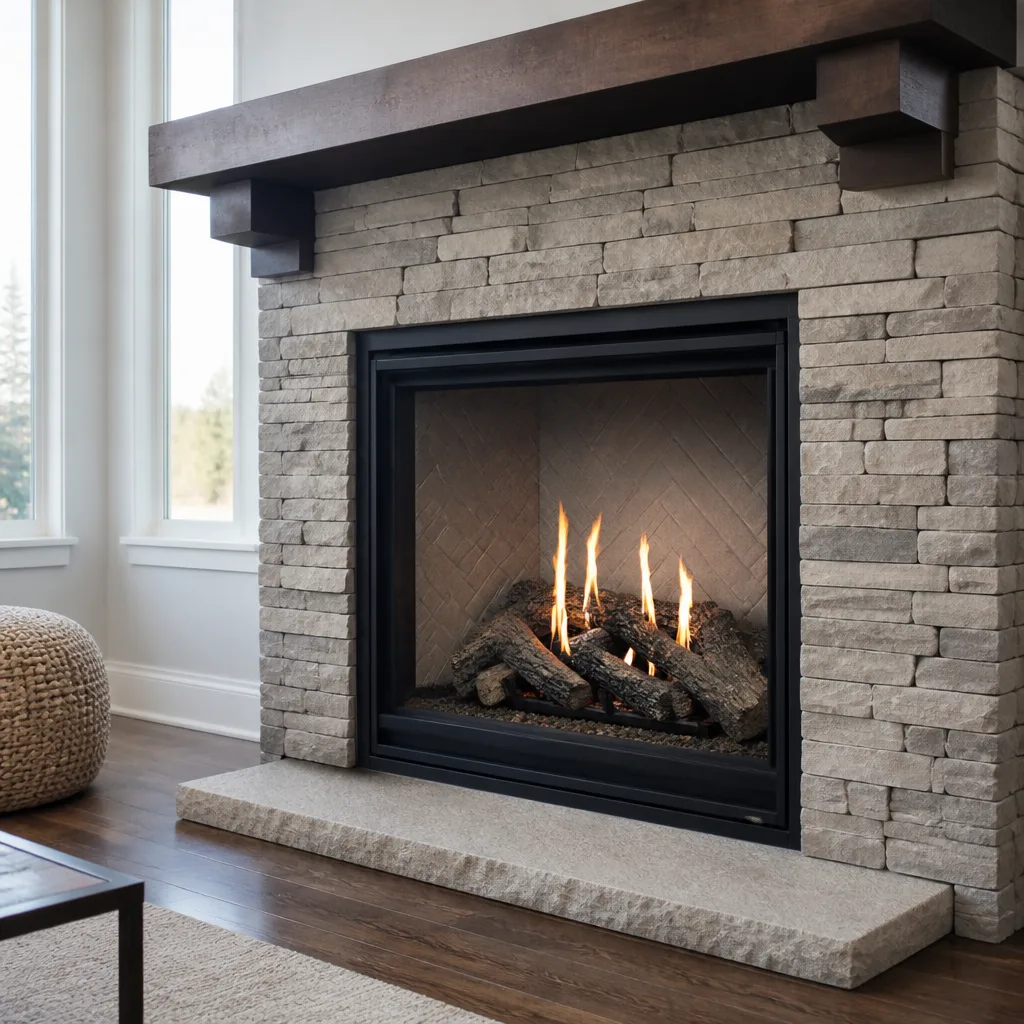 Gas fireplace service
Level 1 sweep and inspection to the NFPA 211 annual standard - flue, crown, cap, and flashing checked and photographed
Chimney sweep logs do not sweep chimneys. They loosen some creosote - which then falls where a brush and vacuum still have to collect it.
Seasonal Chimney Cleaning Care for Edinburg: Year-Round Homeowner’s Guide
Most chimney care advice you’ll find online was written for a climate with six months of hard winter, and following it in Edinburg means you schedule your inspection months after the real damage has already happened. Pests nest in June. July sun is cracking crowns on south-facing flues. The first genuine cold front doesn’t usually arrive until November, so a fall-first schedule leaves you cleaning a chimney that’s spent the whole summer quietly deteriorating. This guide replaces that Northern calendar with one built for South Texas: a short, intense burn season, a long hot off-season that stresses your chimney from the outside in, and a fall window where everything needs to happen in the right order before first use. We’ll walk through what each quarter of an Edinburg year actually does to a chimney and build you a simple reminder system that survives a place where you might forget the fireplace exists for eight months.
Quick Answer
In Edinburg, the right time to schedule chimney care is September through October, before the burn season starts, not in early winter once you’re already using the fireplace. The long hot off-season from May through September is when UV light, humidity, and pests do most of their damage, so a pre-season inspection that catches cracked crown sealant, loose flashing, and animal entry before the first cold front matters more here than in colder regions. Post-season moisture checks in March and April close the loop.
Styles & brands we work with
- Sweep & inspection
- Caps & crowns
- Flue relining
- Masonry repair
- Gas fireplace service
Table of Contents
- Why the Standard Chimney Calendar Doesn’t Fit Edinburg
- June to August: The Idle Chimney Under Peak Heat
- September to October: The Correct Pre-Season Window
- November to February: In-Season Awareness During the Short Burn Window
- March to April: Post-Season Tasks and Moisture Assessment
- How to Build a 12-Month Reminder System
- Sweeping Versus Inspection: What Each One Actually Does
- Common Mistakes to Avoid
Why the Standard Chimney Calendar Doesn’t Fit Edinburg
Chimney care has a standard seasonal rhythm in most of the country: inspect in fall, sweep in winter, repair in spring, rest in summer. That rhythm assumes winter is the hard season, with snow, freeze-thaw cycling, and months of continuous use driving the wear. Edinburg’s threat profile inverts that. Winter is short and mild, so your flue sees limited use. Summer is long, hot, and humid, and the chimney sits idle for it, which means the biggest stresses come from sun, humidity, and pests rather than freeze and fire.
What that means in practice is that the seasonal advice most homeowners read doesn’t apply here on the schedule it’s written for:
- The sun is a maintenance factor. A masonry crown and the sealant that protects it take direct UV exposure through the long off-season. Sealant degrades faster than people expect in a climate with this much sun.
- Humidity and rain act on an unused chimney. A chimney with no fire running for months has no internal heat to dry it out, so moisture sits against masonry, flashing, and the roof-chimney junction longer.
- Pests season around summer. Birds, squirrels, and insects look for sheltered cavities in the warm months, and an uncapped flue is exactly that.
- The burn season is short. Because you’re only running the fireplace for a few months, the buildup that a cold-climate chimney accumulates in a single winter takes you longer to reach, but the off-season deterioration is no slower.
What all of this adds up to is a chimney that lives most of its life in the idle state, and the idle state is where a lot of preventable damage develops in South Texas. We see this pattern constantly in Edinburg: chimneys that were fine when the last fire burned and that have quietly cracked, grown a pest population, or taken on moisture by the time someone thinks about them again. If you want the deeper background on why the process matters, see our main page on Chimney Sweep Edinburg. Otherwise, read on for the calendar that actually matches what happens here.
The four Edinburg seasons, in chimney terms
- Late spring through summer (roughly May to September): off-season. The chimney is idle. Heat and UV stress the crown and flashing, and pests move in.
- Early fall (September to October): pre-season. This is the inspection and sweeping window. It’s the single most important appointment on the calendar.
- Winter (November to February): burn season. Short, mild, and mostly about watching for draft and odor signals as you use the fireplace.
- Early spring (March to April): post-season. Sweep out the season’s buildup and assess moisture after spring rains before shutting things down for the summer.
Notice that the calendar starts with summer, not fall. That’s the core of the whole approach: in a place where the year splits unevenly between a short burn and a long idle, you plan around the idle months. And a large part of what happens during the idle months is decided by whether someone got up on the roof and looked before the off-season started. That’s why the September inspection is the anchor.
June to August: The Idle Chimney Under Peak Heat
Summer is the season most homeowners forget the chimney entirely, and it’s the season when an idle Edinburg chimney is quietly taking the most wear from the outside in. Here’s what’s actually happening during June, July, and August, and what a summer walkaround should check.
Crown sealant degradation
The crown is the concrete or mortar cap on top of the chimney that sheds water away from the masonry below. Many crowns are sealed with a flexible product that expands and contracts with temperature. Through a long stretch of intense heat and UV, that sealant can dry, crack, and lose adhesion. Once it does, water gets into the crown and the masonry under it, and the damage compounds from there. In a summer like Edinburg’s, this can happen faster than the “check it every couple of years” advice assumes.
Flashing and expansion at the roof line
Flashing is the metal that seals the gap where the chimney meets the roof. It’s designed to move with the house as things expand in heat and settle over time. Heat cycles loosen fasteners and open small gaps, and once a gap opens, rain has an entry point right into the roof structure. Summer is when those expansion gaps get widest.
Pest entry points
This is the big one for Edinburg, because summer is nesting season. An uncapped or poorly capped flue is an open door for birds, squirrels, and insects, and the damage they do is not just the nest itself. Nest material blocks the flue, creates a fire load, and holds moisture against masonry. Once animals are established in a chimney, getting them out properly requires a professional and, afterward, a proper cap. We use chimney sweep services here in Indian Hills and the surrounding areas and the pest-and-cap part of the visit is routine; a proper cap from a brand like Gelco closes the entry permanently.
What a summer check actually looks like
- Look at the crown from the ground with binoculars: check for cracks, missing sealant, or pieces out of place.
- Look at the flashing at the roofline for gaps, lifting metal, or rust stains on the roof.
- Confirm the cap is intact and secure, with no gaps a bird could get through.
- Listen for animal noises in the flue. If you hear scratching, stop and call.
- Check the firebox for signs of damp or efflorescence (white staining) on the masonry.
If a summer check turns up something, the fix belongs on the pre-season list, not in the middle of July. Small repairs scheduled for September save you from scrambling in November. And if the roof check is out of your comfort zone, that’s fine; a professional visit in early fall covers it all.
September to October: The Correct Pre-Season Window
In most of the country, chimney sweeps are booked solid in autumn because that’s when people think about the fireplace. In Edinburg, September and October aren’t just convenient; they’re the correct window. Pests have finished their summer nesting activity, the summer UV damage is visible, the first cold front hasn’t arrived, and there’s time to fix what needs fixing before you actually want a fire.
Why September beats November
When you schedule an inspection in September, you give yourself time. If the inspection finds a cracked crown, deteriorated flashing, or a flue that needs relining, you have weeks to plan the repair and get it done before the burn season starts. Schedule the same inspection in late November, after you’ve already had one fire and a strange smell, and every fix becomes urgent. Edinburg’s burn season is short enough that losing a couple of weeks to a scheduling scramble costs you real use of the fireplace.
What should happen during a pre-season visit
A proper pre-season appointment in Edinburg covers three things, and it matters that they happen together rather than as separate trips from separate contractors:
- Inspection. The flue gets examined from top to bottom; the crown, cap, flashing, firebox, and damper are assessed; and any issues are documented.
- Sweeping. Creosote and soot from the previous season’s use get removed, along with any pest debris or nest material left over from the summer.
- Assessment of needed repairs. If the flue liner is damaged or the firebox has cracks, this is where the repair is scoped and scheduled, not left as an open question.
One more note: if your chimney has a masonry liner with cracks or deterioration, there are repair options that don’t require a full tear-out. HeatShield is a ceramic resurfacing system that seals a damaged flue from the inside, and it’s the kind of material a chimney specialist carries because it handles flue repairs that a general contractor usually can’t. In a masonry chimney that’s developed surface damage, that can be the right answer, and a pre-season inspection is where you find out.
We also handle chimney repair throughout the area. If the pre-season visit turns up something, it gets folded into the same plan rather than handed off.
November to February: In-Season Awareness During the Short Burn Window
Once the first real cold front arrives, usually sometime in November, your job shifts from planning to paying attention. The burn season in Edinburg is short and the fireplace gets heavy use while it lasts, and the two signals you should watch for during this window are drafts and odors.
Recognizing draft problems
A chimney that drafts properly pulls smoke up and out. A draft problem shows up as smoke rolling into the room, a fire that’s hard to get going and keeps dying back, or smoke that spills when you open the firebox door. Some of this is external: a cold flue takes a minute to warm up and start drafting, and wind direction changes things. But persistent draft problems can also signal a blocked flue (pest nest, soot buildup) or a flue that isn’t getting the airflow design assumes. If your chimney drafts badly more nights than it doesn’t, don’t just work around it with a window cracked open. That’s a sign to get it checked.
Odor signals
Odors during the burn season come in two flavors. There’s the smoky, creosote smell that some chimneys develop in warm weather or when a fire is smoldering, which is a sign the flue needs a sweep and possibly an airflow fix. Then there’s the sharp, acrid smell of a chimney fire or the musty smell of moisture and pest activity. If a fire in the fireplace produces an odor that’s new, strong, and lingering, stop burning and get it checked. We answer 24/7 for questions, and we can get someone out for a proper inspection.
What you can track at home during the season
- Keep a simple log of any night you get smoke in the room, draft trouble, or unusual odor. The pattern (cold nights, wind direction) tells a technician a lot.
- Check the firebox after each burn season for signs of cracking. Small cracks can grow.
- Don’t burn trash, cardboard, or unseasoned green wood. Burning the wrong material builds creosote faster and increases fire risk.
- Clean the firebox out regularly during the season; leftover ash and debris hold moisture and reduce efficiency.
One caution worth stating plainly: chimney fires can start quietly with a low sound and build quickly, and a flue with heavy creosote is the fuel. If you suspect a chimney fire, get out, call the fire department, and have the chimney inspected before using it again. Nothing about avoiding a chimney fire is worth a shortcut; this is the part of the trade where a professional’s job is to be unglamorous and thorough.
March to April: Post-Season Tasks and Moisture Assessment
The burn season winds down through late February and early March, and the post-season window is when you clean up and check for water damage before the chimney sits idle again for months. Spring rains get a good look at a chimney that’s just come off a season of use, and catching moisture problems now is far cheaper than catching them next September.
What to do in the post-season window
- Sweep out the season’s buildup. A post-season sweep removes the creosote that built up over the winter, so it doesn’t sit in the flue for the whole summer. This also makes the pre-season check next fall much simpler.
- Assess moisture. Look at the masonry above the roofline and inside the firebox for water stains, white efflorescence, or soft mortar. Spring rain is a good test; if the chimney leaks now, it will keep leaking all summer.
- Check the damper and smoke shelf. The damper should close fully and the smoke shelf (the ledge just behind the damper) should be clear of debris.
- Do a summer prep check. Before you put the chimney into idle mode for the warm months, confirm the cap is secure and the flashing is intact, since the coming months are when heat and pests will test them.
If you’re planning to sell a home in Edinburg, the post-season window is also a good time to schedule a formal inspection. A credible inspection documented before listing is worth more than a rushed one at the last minute. Our inspection service covers the whole system and gives you a report you can hand to a buyer.
We reach homeowners across the area, including in Indian Hills, and a post-season appointment in early spring is the easiest time of year to book.
How to Build a 12-Month Reminder System
The single biggest reason chimneys in Edinburg go unattended is that the climate makes it easy to forget they exist. Eight months out of the year, you don’t use the fireplace, so there’s no daily cue that anything needs doing. The fix is to put the reminders on the calendar, not rely on your attention. Here’s a simple system that takes about fifteen minutes to set up once a year.
- Put the pre-season inspection on the calendar in early September. Set the reminder a week before, and add the phone number so it’s right there. This is the anchor appointment.
- Add a post-season sweep in mid-March. This clears the winter’s buildup and catches spring moisture problems before summer.
- Add a summer walkaround in early June. Fifteen minutes from the ground with binoculars checking the crown, cap, and flashing.
- Add a mid-burn-season check in mid-January. Look at the firebox for cracks, note any draft or odor issues, and confirm the damper works.
- Keep a small log with the calendar. Note dates of service, any repairs, and any problems you noticed. It’s useful for the next technician and, if you sell, for the buyer.
- Set a recurring annual reminder, not a one-time one. The whole point is that you won’t remember next year either.
What a good reminder entry looks like
Example: on the first Sunday in September each year, a calendar entry that says “Chimney: pre-season inspection and sweep. Call Chimney Sweep Edinburg at (833) 754-6303. Check last year’s report first.” On the first Sunday in March, “Chimney: post-season sweep and moisture check.” On the first Sunday in June, “Chimney: summer walkaround, 15 minutes, binoculars.” That’s the whole system, and it’s enough.
If you want to make it even simpler, a recurring booking with the same specialist means the technician already has your chimney’s history on file, which makes every annual visit faster and more accurate. The report from one visit becomes the starting baseline for the next.
Sweeping Versus Inspection: What Each One Actually Does
Homeowners often use “sweep” and “inspection” interchangeably, but they’re different jobs and you need both at different points in the year. A sweep is a physical cleaning. An inspection is a documented assessment of the system’s condition. Trying to cover both with one appointment usually means one of them gets shortchanged.
Chimney sweeping
Sweeping removes the creosote, soot, and debris from the flue and firebox. It’s a mechanical cleaning job that uses brushes and rods, and it’s what keeps creosote from sitting in the flue. The U.S. Consumer Product Safety Commission and fire-safety organizations recommend an annual sweep for chimneys in regular use, and we recommend sweeping whenever soot or creosote has built up to the point where it’s visible and accumulating, especially before the burn season and after it. A sweep that removes the season’s buildup protects the masonry and makes the next fire safer.
Chimney inspection
An inspection is a top-to-bottom look at the whole chimney system: the crown, the cap, the flashing at the roofline, the flue liner, the firebox, the damper, and the smoke chamber. The inspector documents what they find, ideally with photos, and makes recommendations. This is where you learn whether the flue liner is intact, whether the crown needs resealing, and whether anything needs repair before the season starts. An inspection doesn’t clean anything; it assesses.
Do you need both every year?
For a chimney in regular use, the practical schedule is an inspection and a sweep together at the start of the season, plus a sweep at the end of the season. A chimney that isn’t used every year can sometimes go slightly longer between sweeps, but the inspection should still be annual because the off-season is when the structural issues develop. Here’s the split in simple terms:
- Sweep: removes what’s inside the flue so it drafts and burns safely.
- Inspection: assesses the condition of the whole system so you know what needs repair.
- Repair: fixes what the inspection found, using materials matched to the flue.
A full-service chimney specialist handles all three as a single point of contact, which is the model we work from. From the first sweep to the final inspection, one appointment covers the visit and the report covers the rest. Our technicians have up to 8 years of experience with flue systems, and we use the same brands certified professionals rely on nationwide, including DuraFlex for flexible liner systems and HeatShield for ceramic resurfacing. Famco venting products and Olympia Chimney components round out the toolkit when a repair is needed. Chimney work, and only chimney work, is the whole of what we do.
Common Mistakes to Avoid
- Following a Northern calendar. Scheduling your inspection in late November, after the first fires of the season, means you’re inspecting a chimney that’s already been used and may miss the pre-season window when fixes can still be planned calmly.
- Skipping the summer walkaround. Those fifteen minutes in June and July are when you catch the cracked crown and the pest entry before they turn into expensive repairs.
- Waiting for an odor to schedule service. A smell is usually the last symptom, not the first. By the time you smell creosote, the buildup is already significant.
- Assuming a cap is optional. In an Edinburg summer, an uncapped flue is an open invitation to nesting birds and insects. A proper cap from a brand like Gelco is a basic maintenance item here, not an upgrade.
- Letting a general handyman patch the roof around a chimney. Flashing and crown repair on a chimney need someone who understands the whole system. Patchwork from the wrong trade is one of the most common reasons a chimney leaks again a year later.
- Burning unseasoned wood or trash. It builds creosote faster and adds buildup that a sweep has to deal with sooner. It’s a small habit with a real cost.
- Forgetting the post-season sweep. Leaving the winter’s buildup in the flue all summer lets creosote and moisture sit against the masonry for months. A spring sweep is a cheap way to protect a lot of work.
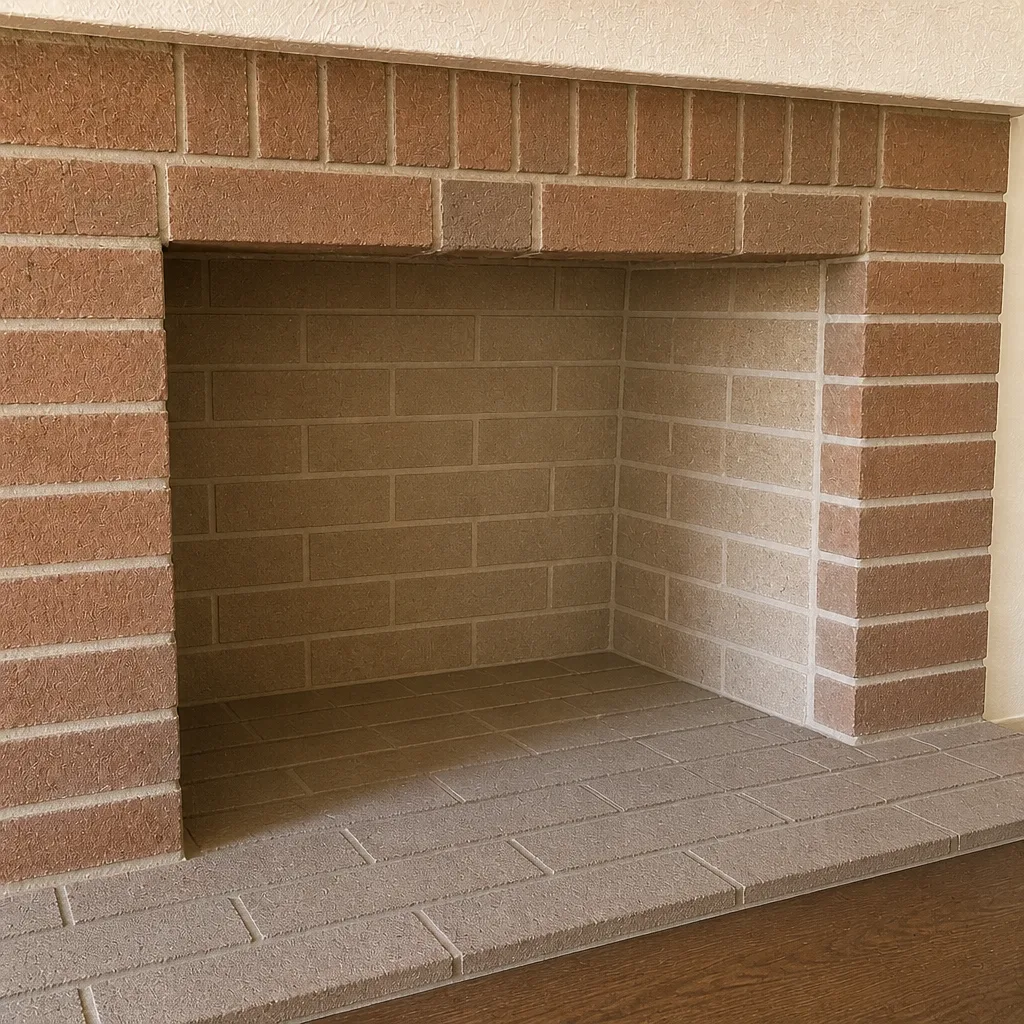
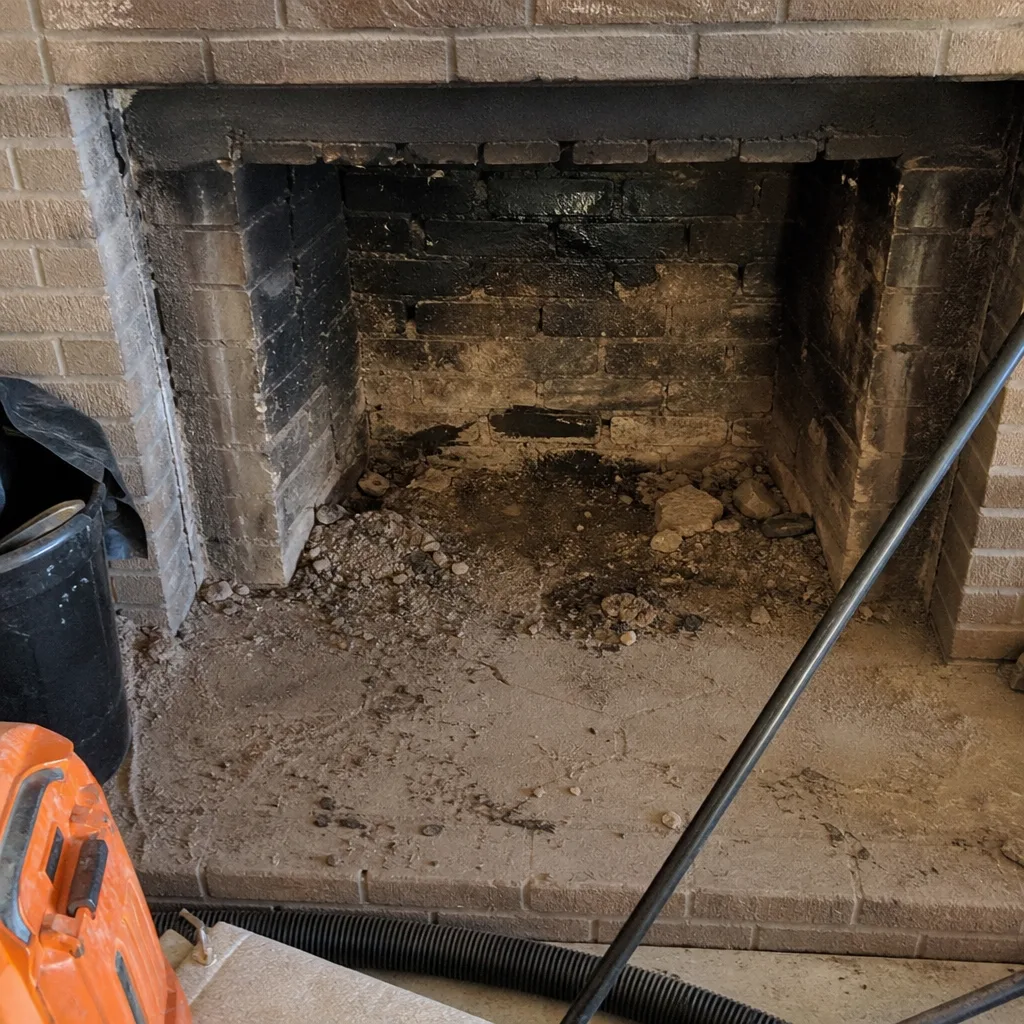
See the difference
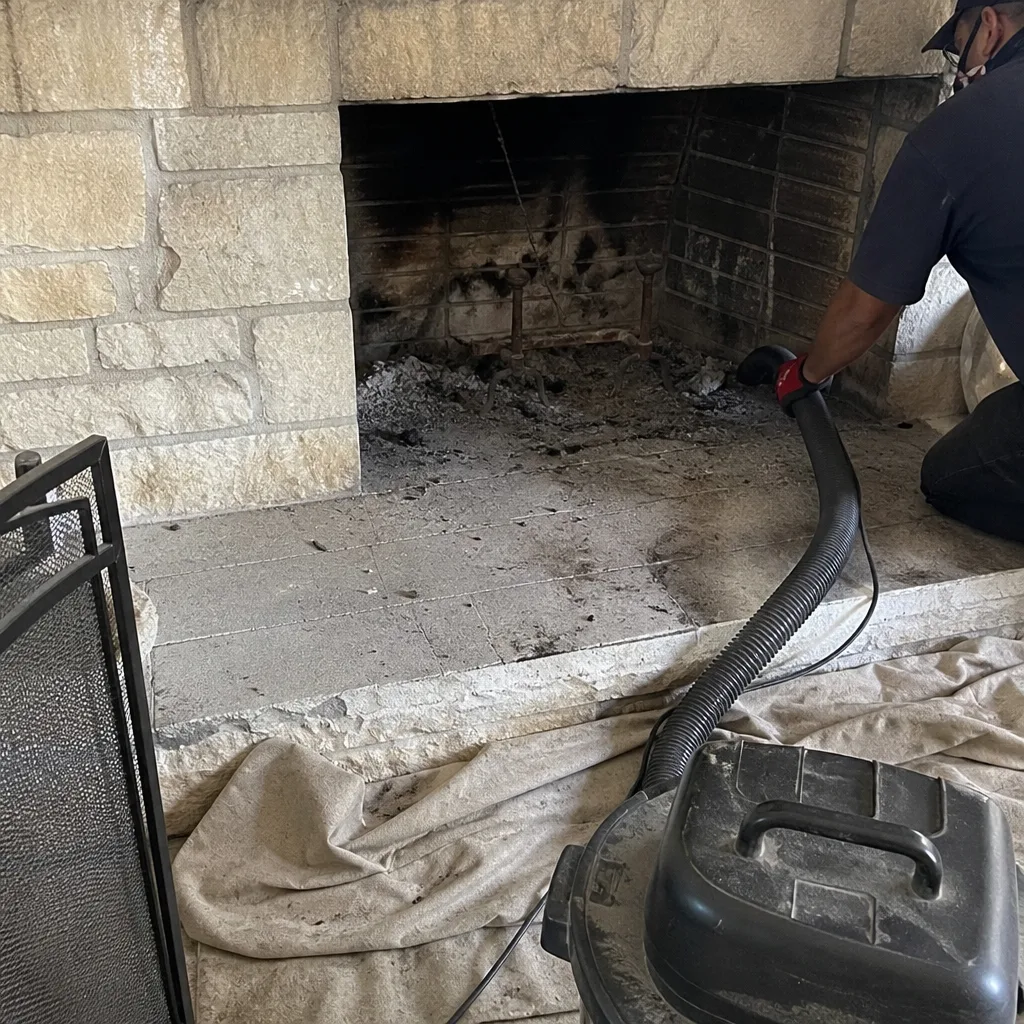 Before
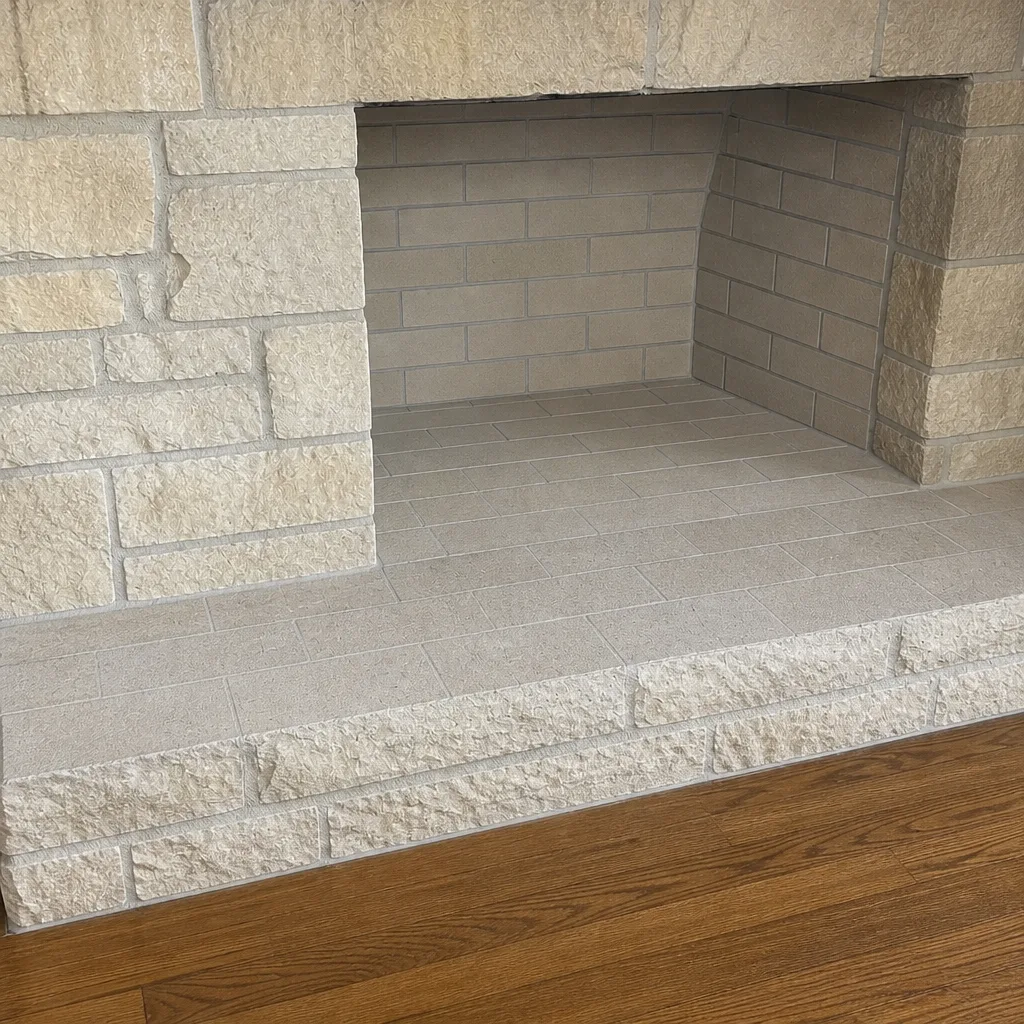 After
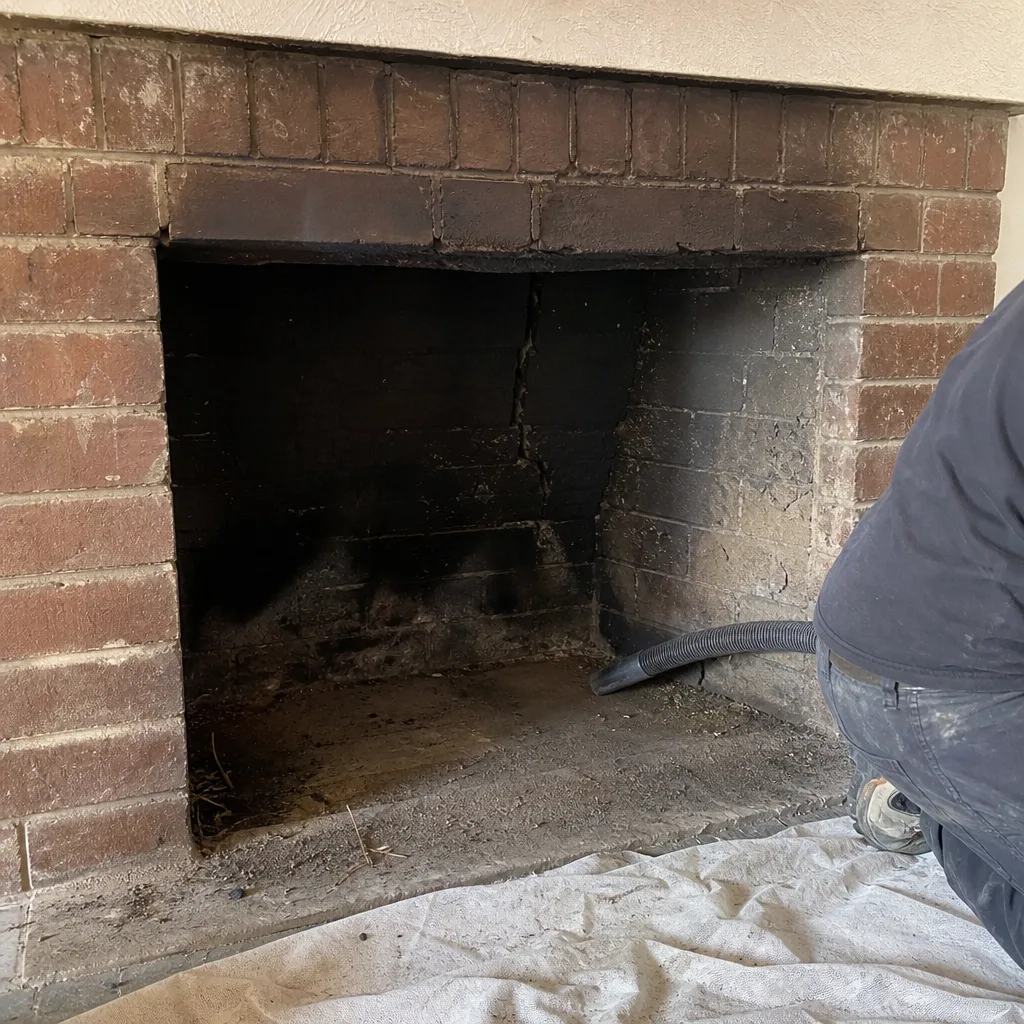 Before
 After
 Before
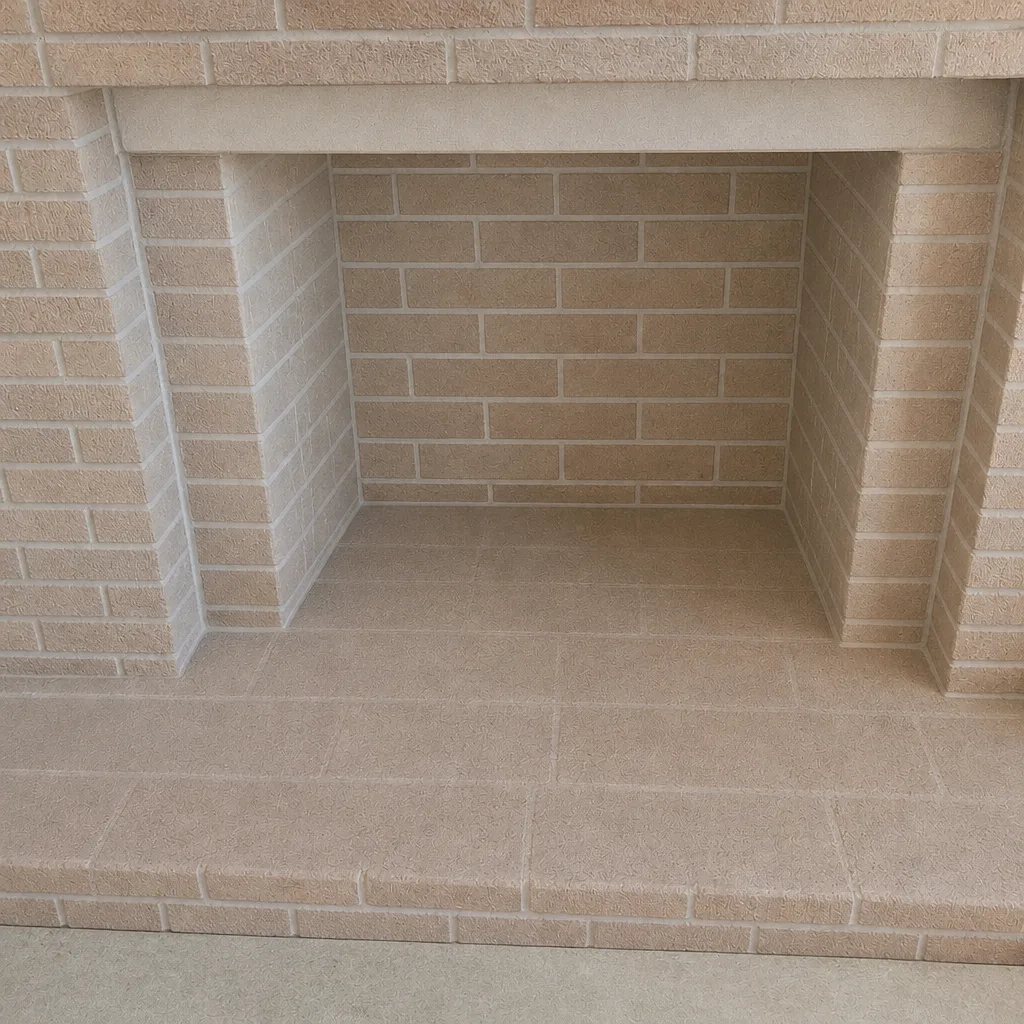 After
When to Call a Professional
Some things you can check yourself: a summer walkaround with binoculars, a look at the firebox after the season, a log of draft problems. The things you should bring a professional in for are the ones that involve getting to the flue and the roof. Call us if you see cracks in the crown, damaged or lifting flashing, a flue liner that’s deteriorated or missing, or any sign of moisture inside the chimney. Call immediately if you smell the sharp acrid smell of a chimney fire, hear animal noises in the flue, or have a fire that produces smoke in the room. We answer 24/7 at (833) 754-6303. Fast dispatch from 7am to 7pm, Sunday through Friday. Chimney Sweep Edinburg offers free estimates in Edinburg, and there’s no charge for an estimate.
Frequently Asked Questions
An annual sweep plus an annual inspection works for most chimneys in Edinburg, with the sweep ideally twice a year: once before the burn season in September and once after it in March. Because winters here are short, a chimney might sit unused for months, which makes the two-site schedule more useful than a single fall appointment. Call (833) 754-6303 for an exact quote and to book a visit; estimates are free.
September and October are the best months to schedule a pre-season inspection and sweep. That window catches summer pest activity and UV damage and leaves time to plan repairs before the first cold front. March and April are the right months for the post-season sweep and moisture check. Book in September and you aren’t racing the first fire.
You accumulate creosote, which increases fire risk, and you give heat, humidity, and pests years of uninterrupted time to damage the crown, flashing, and masonry. In Edinburg, an idle chimney can develop a significant leak or pest problem in a single hot season. Skipping care doesn’t pause the clock; it just moves the problems to a point where the repairs are larger.
Not always. Some flues can be repaired with ceramic resurfacing from the inside using HeatShield, which seals cracks without tearing out the masonry. The only way to know which you need is an inspection that shows the condition of the flue liner and what’s driving the recommendation. We scope the repair to what the flue actually needs, and if a repair can wait, we say so. Call (833) 754-6303 for a free estimate.
Watch for scratching or fluttering sounds in the flue, nesting material or debris at the damper, birds or insects around the chimney cap, and odors in the firebox. If you hear animal noises, don’t try to smoke them out; call us. We handle removal and install a proper cap so it doesn’t happen again. The number is (833) 754-6303 and estimates are free.
Not required by a single blanket rule, but it’s one of the most practical steps for a sale: it gives you a documented report on the system’s condition that a buyer can review, and it catches problems before they turn into negotiation points. Schedule the inspection in the spring when the chimney is between seasons and the schedule is open. Book it now at (833) 754-6303.
The Bottom Line
The Edinburg chimney calendar is built around a short burn season and a long, hot off-season, so the right schedule is September to October for the pre-season inspection and sweep, January for a mid-season check of the firebox and draft, and March to April for the post-season sweep and moisture assessment. Everything else is the summer walkaround and a 12-month reminder system so nothing slips. The biggest mistake is waiting until you smell something or a fire smokes to get the chimney looked at. Do it in September, while a fix is still a plan and not a problem. Our technicians have up to 8 years of experience, and we scope the work to what the flue actually needs, using the same industry-trusted brands the pros use. Call (833) 754-6303 for a free estimate, or book your pre-season visit now. We answer 24/7, with fast dispatch from 7am to 7pm, Sunday through Friday.
Written by the team at Chimney Sweep Edinburg.