
Last updated November 15, 2026
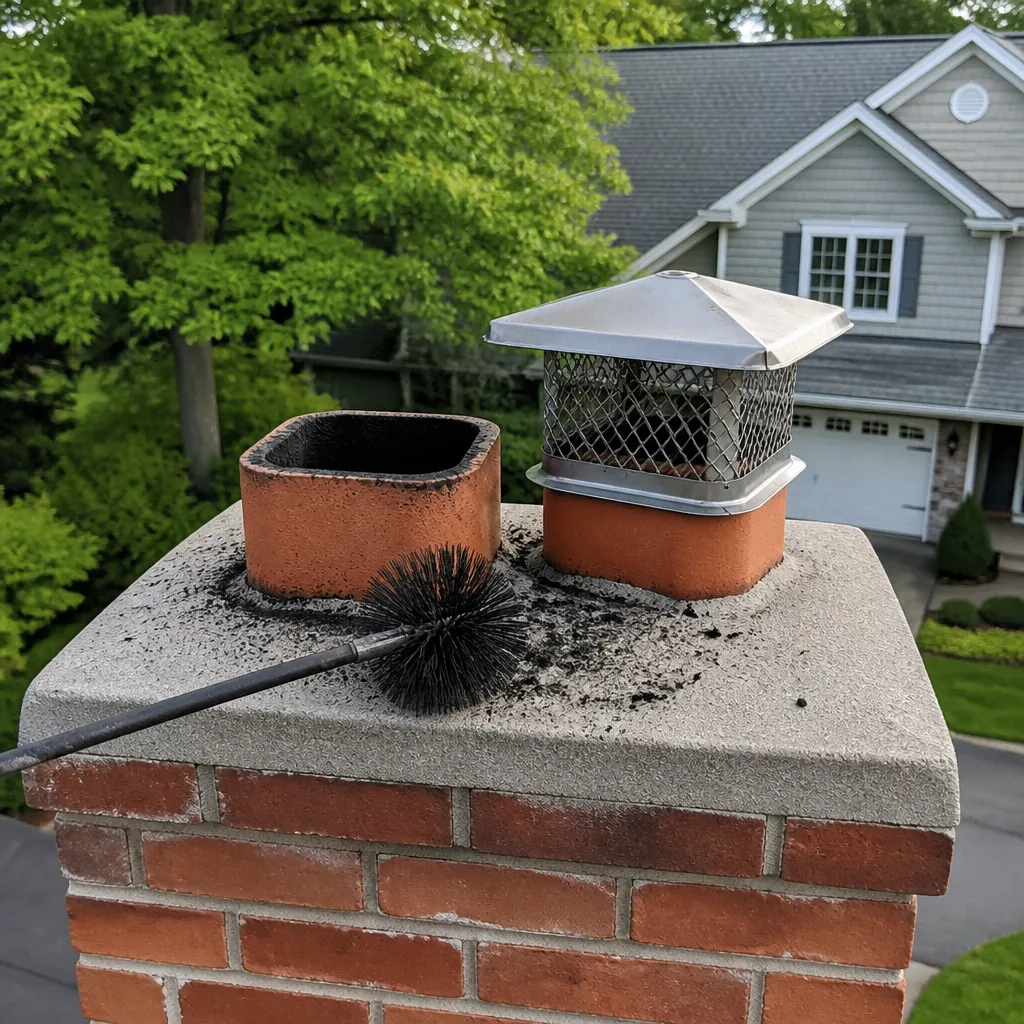 Sweep & inspection
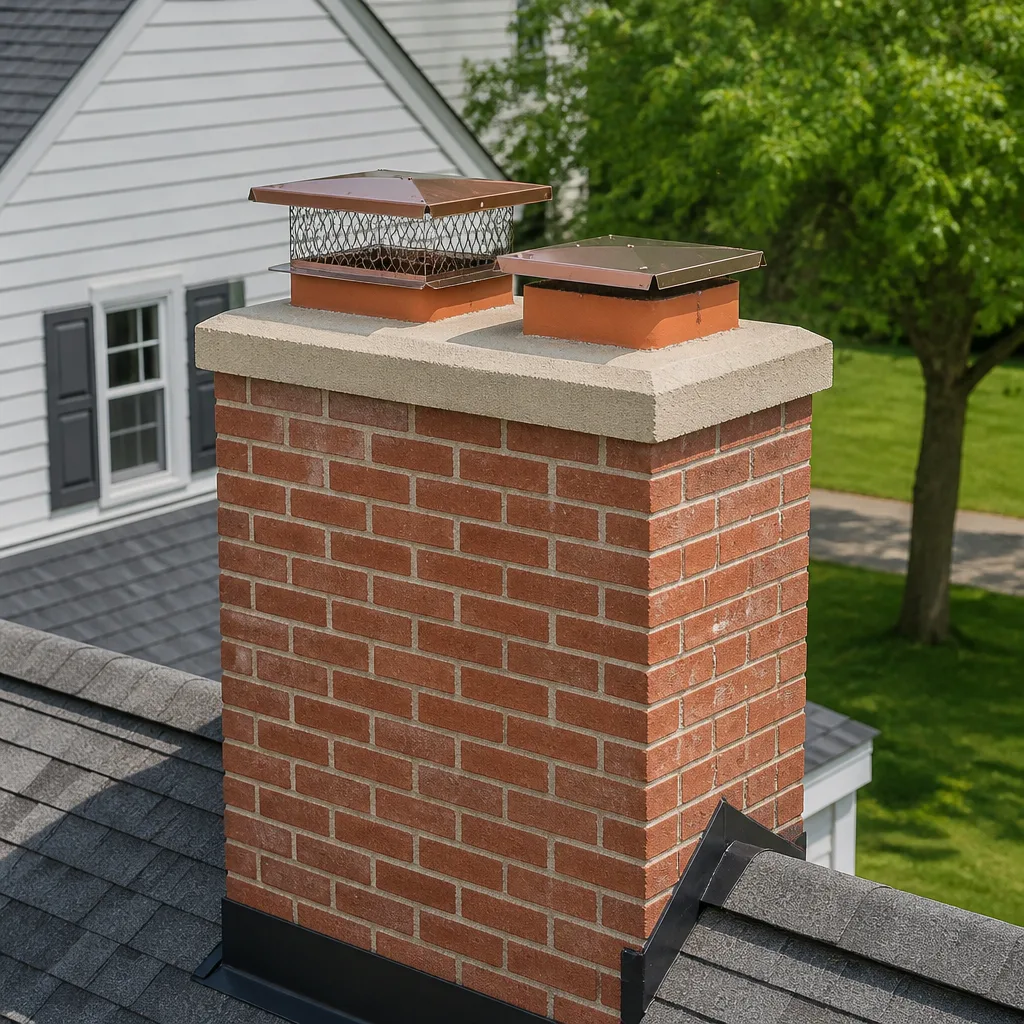 Caps & crowns
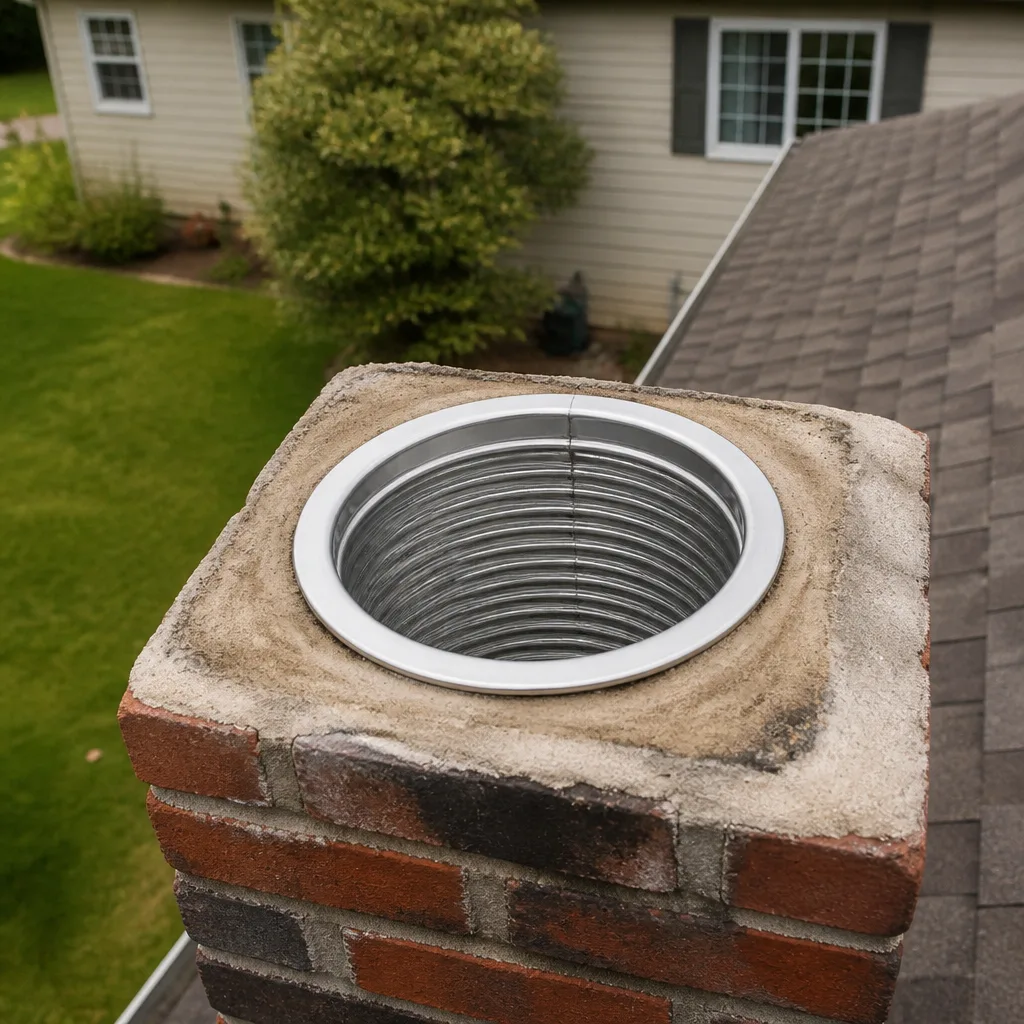 Flue relining
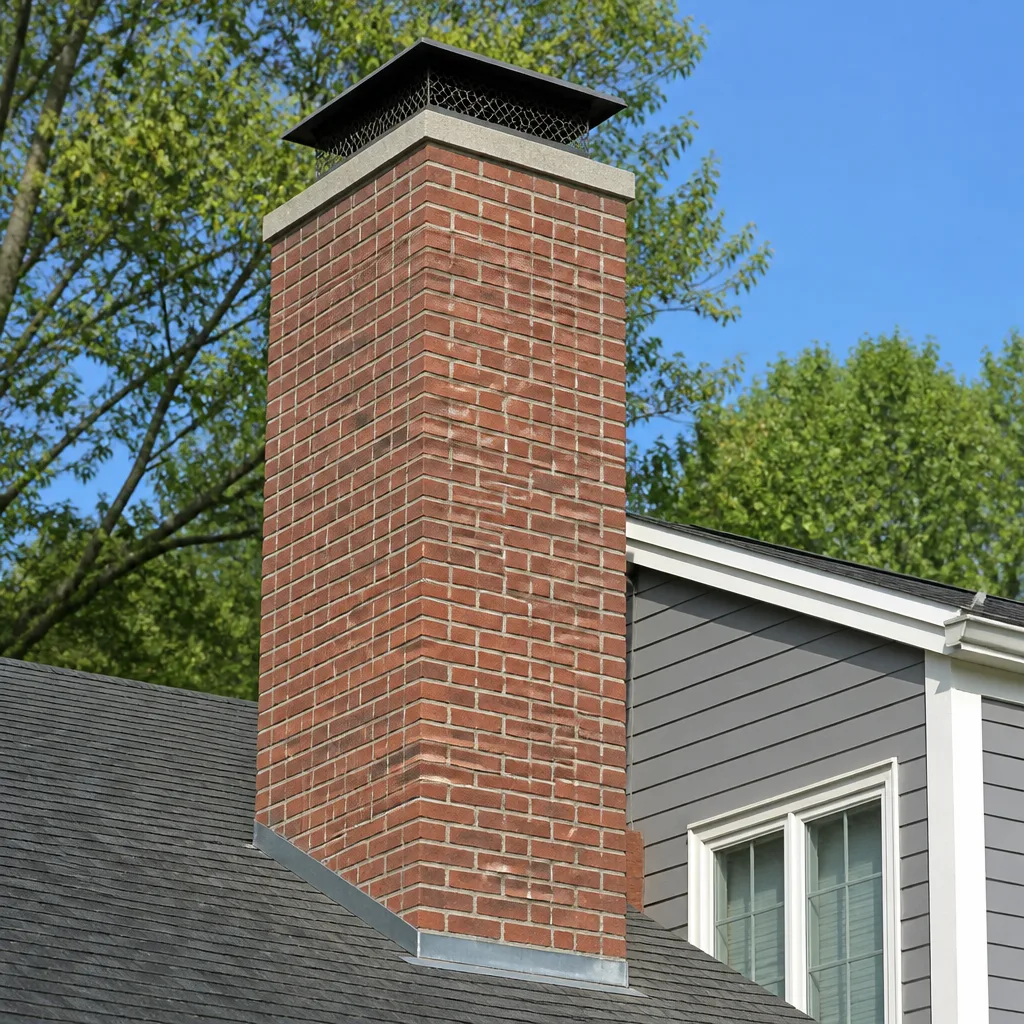 Masonry repair
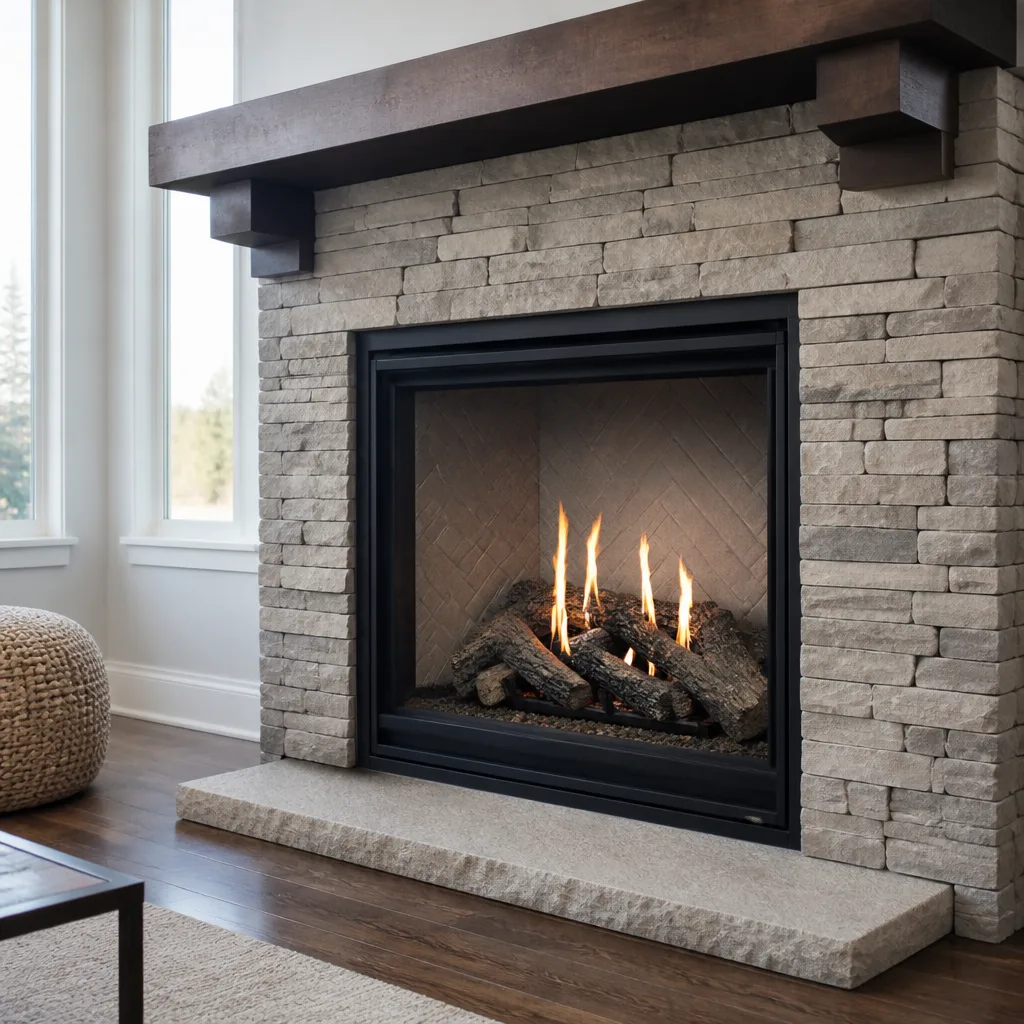 Gas fireplace service
Level 1 sweep and inspection to the NFPA 211 annual standard - flue, crown, cap, and flashing checked and photographed
Chimney sweep logs do not sweep chimneys. They loosen some creosote - which then falls where a brush and vacuum still have to collect it.
Chimney Cleaning Emergency Preparedness Guide for Edinburg Homes
Most people picture a chimney fire as something loud and dramatic, flames visible at the top of the stack, a sound like a freight train. That image is real, but it’s not the whole picture. Many chimney fires burn slowly and quietly inside the flue while the homeowner sits a few feet away, convinced the fire is drawing just fine. By the time the problem is obvious, the liner may already be damaged. In Edinburg, this tends to happen on the first genuinely cold night of the year, when a fireplace that sat unused through the long warm season finally gets lit. This guide walks you through recognizing a chimney fire, responding in the first minutes, what to do after, and the one inspection step that heads off most of these situations before they start.
Quick Answer
A chimney fire is a contained emergency: get everyone out, call 911 if you see flames, hear roaring, or smell a strong burning odor that doesn’t clear, and do not use the fireplace again until a certified professional has inspected the flue. The single best protection for an Edinburg home is an inspection before the first fire of the season, which catches the creosote buildup and liner defects that cause most chimney fires in the first place.
Styles & brands we work with
- Sweep & inspection
- Caps & crowns
- Flue relining
- Masonry repair
- Gas fireplace service
Table of Contents
- How to Recognize a Chimney Fire While It’s Happening
- The First Five Minutes: What to Do and When to Call 911
- After the Fire: Why a Chimney That “Survived” Still Needs an Inspection
- Pre-Season Prevention: The Step That Eliminates Most First-Fire Emergencies
- Why Edinburg Homes See This Pattern So Often
- What to Document for Your Insurance Claim
- The Invisible Risk: Carbon Monoxide and Blocked Flues
- Building a Simple Chimney Emergency Kit
How to Recognize a Chimney Fire While It’s Happening
The tricky part about chimney fires is that the obvious signs aren’t always present. A slow-burning fire can smolder in the flue for hours with no visible flame and no roar, just a persistent smell and a fire that refuses to draw the way it should. Knowing the full range of signals matters, because the quiet ones are the ones people dismiss.
Watch and listen for these signs:
- Sound: a low rumble, a popping or crackling that seems to come from the chimney itself rather than the firebox, or a roar like a distant train. Any of these means something is burning where it shouldn’t.
- Smell: a hot, acrid, tarlike odor inside the house that doesn’t fade when the damper is open. Normal wood smoke smells like wood. A chimney fire smells sharper and more chemical.
- Smoke: puffs of dark smoke escaping from the top of the chimney or from cracks in the masonry, or smoke backing into the room despite an open damper.
- Visible flame or sparks: flames or sparks shooting from the chimney top, or a glow visible at the crown.
- Heat: the chimney breast, the mantel, or the wall around the flue feeling unusually hot to the touch.
- Creosote flakes: pieces of black, crispy material landing on the roof or in the yard, sometimes described as looking like burnt leaves.
If the fire in the firebox is burning normally, the glass doors (if you have them) stay relatively clear, the draft pulls steadily, and the smell is ordinary wood smoke. If any of the signals above appear, treat it as a chimney fire until proven otherwise. The mistake people make is waiting to see if it gets worse. That wait is exactly when a contained flue fire turns into a structural one.
The First Five Minutes: What to Do and When to Call 911
What you do in the first few minutes decides how the rest of the night goes. The good news is the correct response is simple and the same whether the fire is small or large. The bad news is that most people have never thought it through, so they hesitate.
Follow this sequence:
- Get everyone out of the house. Not to the front yard, all the way out. Chimney fires can spread into the attic and roof structure faster than people expect.
- Call 911. Do this if you see flames or sparks at the chimney top, hear roaring, smell a strong burning odor that doesn’t clear, or see smoke where it shouldn’t be. The fire department would rather arrive and find nothing than arrive too late. Don’t talk yourself out of calling because the fire “seems small.”
- If the fire is small and clearly self-limiting (a brief crackle that fades, no roar, no smoke in the room, no visible flame at the top), you can close the firebox doors or the damper to starve it of air, then watch from outside. If anything gets worse, call 911 immediately.
- Do not put water on a chimney fire. Water on a hot flue can crack masonry and cause steam burns. Never spray water into the firebox or down the chimney.
- Do not climb on the roof. Not to check, not to cap, not to look. Fall risk on a roof at night is real and serious.
- Once the fire department clears the scene, the fireplace is out of service until a professional inspects it. More on that below.
In our experience, the call that saves the most damage is the one made early. Fire crews in Edinburg know this housing stock and these weather patterns well, and they’d rather be called at the first sign than after the roof is involved. Call (833) 754-6303 if you need a post-fire inspection booked. We answer 24/7. Fast dispatch from 7am to 7pm, Sunday through Friday.
After the Fire: Why a Chimney That “Survived” Still Needs an Inspection
This is the part people skip. A chimney fire burns out, the smoke clears, the house smells normal again, and the fireplace goes back into rotation. That decision is the one that turns a contained event into a dangerous one. A flue can be cracked, warped, or separated at a joint and still look perfectly fine from the firebox opening. The damage lives inside the liner, where you can’t see it without a camera.
What a post-fire inspection looks for:
- Liner integrity: cracks, gaps, spalling, or sections that have pulled apart at the joints. A compromised liner lets heat and combustion gases reach the surrounding structure.
- Creosote glaze: a chimney fire often leaves behind a hardened, glazed layer that’s harder to remove than the original buildup and burns hotter next time.
- Mortar joint condition: heat stress loosens mortar between flue tiles. Loose mortar means gaps.
- Crown and cap damage: the top of the chimney takes the worst of the heat. A cracked crown lets water in, which leads to different problems down the road.
Many homeowners are surprised to hear that a fireplace can pass a visual glance and still be unsafe. The right tool for this job is a camera inspection, and the evidence should be something you can see for yourself. We don’t recommend liner replacement or masonry work without showing you what we found. If the flue is sound, we say so. If a repair can safely wait until spring, we tell you that too. That’s the standard we hold to: a chimney repair in Edinburg should be backed by evidence you can look at, not a sales pitch.
If the inspection does turn up a damaged liner, the repair is a liner replacement, not a patching job. We work with DuraFlex flexible liner systems because they handle both straightforward replacements and the non-standard flue configurations that older homes often have. The right material for your specific flue matters more than a quick fix.
Pre-Season Prevention: The Step That Eliminates Most First-Fire Emergencies
Almost every first-fire chimney emergency has the same root cause: a flue that accumulated creosote over one or more seasons and was never cleaned before the fire was lit. Creosote is the residue left behind by burning wood. It builds up on the flue walls, and at a certain thickness it becomes flammable. The hotter the fire, the more likely that buildup ignites.
The prevention step is simple: book an inspection and sweep before the first fire of the season, not after. In Edinburg, that means before the first real cold front, which usually arrives late in the year and often catches people off guard. The night it turns cold is not the night to discover your chimney has a problem.
Here’s what a pre-season appointment should include:
- A camera inspection of the flue to document what’s actually inside, not just a glance from below.
- A sweep of the flue to remove creosote and any debris (nests, leaves, or animals that moved in during the warm months).
- A check of the cap and crown for cracks or blockages that would affect draft.
- A written assessment of anything that needs attention, with photos, and a clear statement of what’s urgent and what can wait.
The single most valuable part of this is the camera. A sweep without a camera is a sweep that misses liner defects, and a liner defect is what turns a normal fire into an emergency. If you’re in a neighborhood like Indian Hills, we can help you book a chimney sweep before the season starts. The sweep and the inspection are two different jobs, and both should be on your calendar. If it’s been more than a year, that’s the one appointment this guide would push hardest.
Why Edinburg Homes See This Pattern So Often
The pattern isn’t a coincidence. Edinburg’s climate is mild for most of the year, which means fireplaces sit idle for months. That idle time is exactly when creosote hardens and when debris accumulates in the flue. Then a cold front arrives, the fireplace gets lit for the first time in a year, and the flue starts doing work it hasn’t done since last season. That gap between “unused” and “first fire” is where the risk lives.
There’s a second factor in Edinburg: the house. A lot of homes here were built decades ago, before anyone was thinking about modern liner standards. Their flues may be original clay tile, unlined, or lined with a system that has long since cracked. When you add a season of creosote on top of a marginal liner, the first fire of the year becomes the stress test. Homes near the older parts of town see this more often than newer construction.
What we’ve learned from working in Edinburg is that the worst emergencies aren’t the ones with visible problems. They’re the ones where everything looks fine from the firebox, the homeowner has a strong sense that their chimney is in good shape, and the camera tells a different story. That’s why we don’t rely on a visual look. The Chimney Sweep Edinburg team uses the same professional brands the industry trusts for liner and venting work, because the material that goes into a flue should hold up to the next 20 years of seasonal use, not the next two.
For homeowners in the surrounding neighborhoods, the same pattern applies. If you’re in Indian Hills, or anywhere else in the area, the timing question is the same: get the inspection before the first fire, not after. And if you’re coordinating an inspection for a home sale, a camera-documented report from a chimney-only specialist carries more weight than a note from a general handyman.
What to Document for Your Insurance Claim
If a chimney fire or a heavy smoke event leads to an insurance claim, the documentation you gather in the first hours matters as much as the repair. Insurance adjusters want proof of what happened, what was damaged, and what it will cost to fix. Without it, a legitimate claim can turn into a fight.
Work through this in order:
- Call the fire department first. Their report is the foundation of your claim. Tell them what you observed and when.
- Photograph the scene before you clean anything. Take pictures of the firebox, the chimney exterior, the roof, and any interior smoke damage. Don’t move debris or dispose of anything until your insurer says it’s okay.
- Keep the fire department’s report number. Your insurer will ask for it.
- Get a professional inspection with photo documentation. An adjuster needs a written report with images showing the condition of the liner, flue, crown, and cap. A camera inspection gives you that.
- Get a written estimate for the repair. We scope the work to what you actually need, with a written estimate that sets the final price. Itemized is better than a lump sum for insurance purposes.
- Don’t authorize repairs until you’ve talked to your insurer. Some policies have requirements about how work is authorized. A quick call to your agent before you sign anything avoids surprises.
The order matters: fire department report, photos, inspection with documentation, estimate, then insurer. If you skip a step and let a contractor start work first, you may find the claim harder to support. We can walk you through the inspection and documentation piece; your insurer and the fire department handle theirs.
The Invisible Risk: Carbon Monoxide and Blocked Flues
A chimney fire is the dramatic risk, but a blocked or damaged flue has a quieter one: carbon monoxide. Any fuel-burning appliance, whether it’s a wood fireplace, a gas insert, or another fuel-burning appliance, sends combustion gases up the flue. If the flue is obstructed, cracked, or disconnected, those gases can back up into the living space instead.
You can’t see or smell carbon monoxide. That’s the problem. The signs to watch for:
- Headaches, dizziness, or nausea that seem to occur when the appliance is running and resolve when you leave the house
- A fire that doesn’t draft well, with smoke backing into the room
- Soot streaks around the firebox or vent connections
- A carbon monoxide alarm sounding
If your CO alarm sounds, leave the house and call 911. Don’t look for the source yourself. Once the house is cleared, a professional inspection can find the flue problem. This is another reason the pre-season inspection matters: it catches the blocked or damaged flue before you ever light a fire. If anything is compromised, we’ll show you the camera evidence and recommend the right fix, whether that’s a sweep, a liner repair, or a full liner replacement with a system like DuraFlex. For work on the full flue system, including venting components from Olympia Chimney or Famco, the parts need to match the appliance and the flue; that’s a chimney-only job, and it’s what we do.
Building a Simple Chimney Emergency Kit
You don’t need much, but having it on hand saves critical minutes when something goes wrong. Keep a small kit near the fireplace, out of the reach of children.
- A fire extinguisher rated for wood fires. Check the gauge monthly. Know how to use it.
- A flashlight and spare batteries. You’ll need one if the power goes out or if smoke makes you turn off breakers.
- A working carbon monoxide alarm on every level of the home and near sleeping areas.
- Your fire department’s non-emergency number and your insurance agent’s contact, written down, not just saved in your phone.
- A phone charger kept away from the fireplace, in case of a longer evacuation.
- A printed copy of this guide’s 911 criteria, or a photo of that section, so you can reference it quickly.
What you should not keep is anything that encourages a DIY response. No water sprayer, no chains, no roof ladder. Those are internet-level solutions that cause more harm than good. A trained professional handles the flue; your job in an emergency is to get out, call 911, and not add to the risk.
Common Mistakes to Avoid
- Assuming that a quiet fire is a safe fire. Plenty of chimney fires burn slowly and silently for hours. The absence of a roar doesn’t mean the absence of a fire. If the smell or draft is wrong, treat it as a problem.
- Putting the fireplace back into service the next day. A fire that “went out on its own” may still have damaged the liner. Waiting to inspect it is how a small repair becomes a full structure issue.
- Calling a general handyman to look at a chimney. A generalist who “does everything” may not have a flue camera or the right tools to assess a liner. In Edinburg, a chimney-only specialist will find problems a generalist misses, and use the right materials (like a heat-rated liner system) when a repair is actually needed.
- Skipping the sweep because “it burned fine last year.” Creosote builds even when the fire seems fine. If it’s been over a year since your last sweep, that first cold front is a risk you’re taking.
- Lighting the first fire without a camera inspection. A visual look from the firebox doesn’t show the liner above it. The most common first-fire surprise is a flue that looks fine from below and isn’t.
- Ignoring CO alarm or soot clues. Soot streaks, a weak draft, or a CO alert pointing to a flue problem are early signs. Dismissing them is the one decision this guide would tell you to revisit.
- Documenting after you clean up. If an insurance claim might be in your future, photograph first. The fire department report and the inspection evidence are the two documents you can’t recreate later.
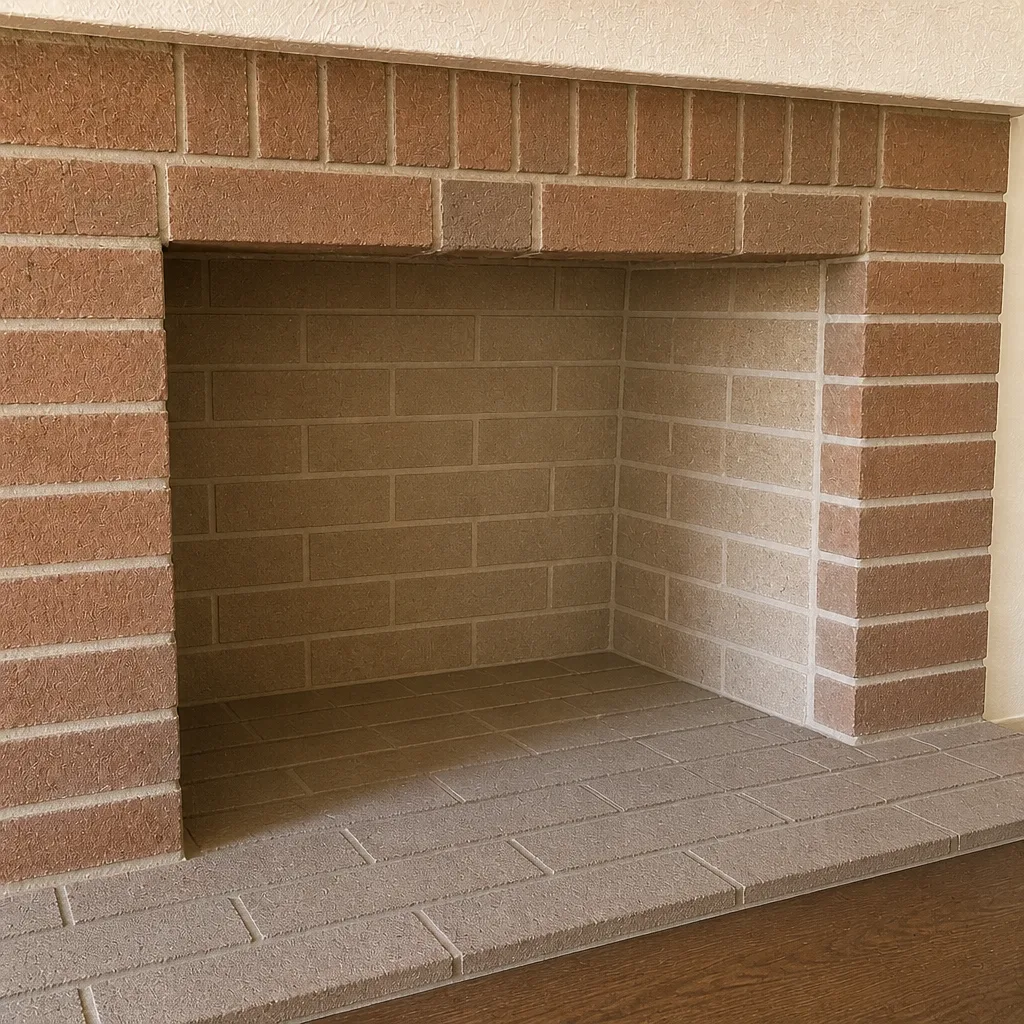
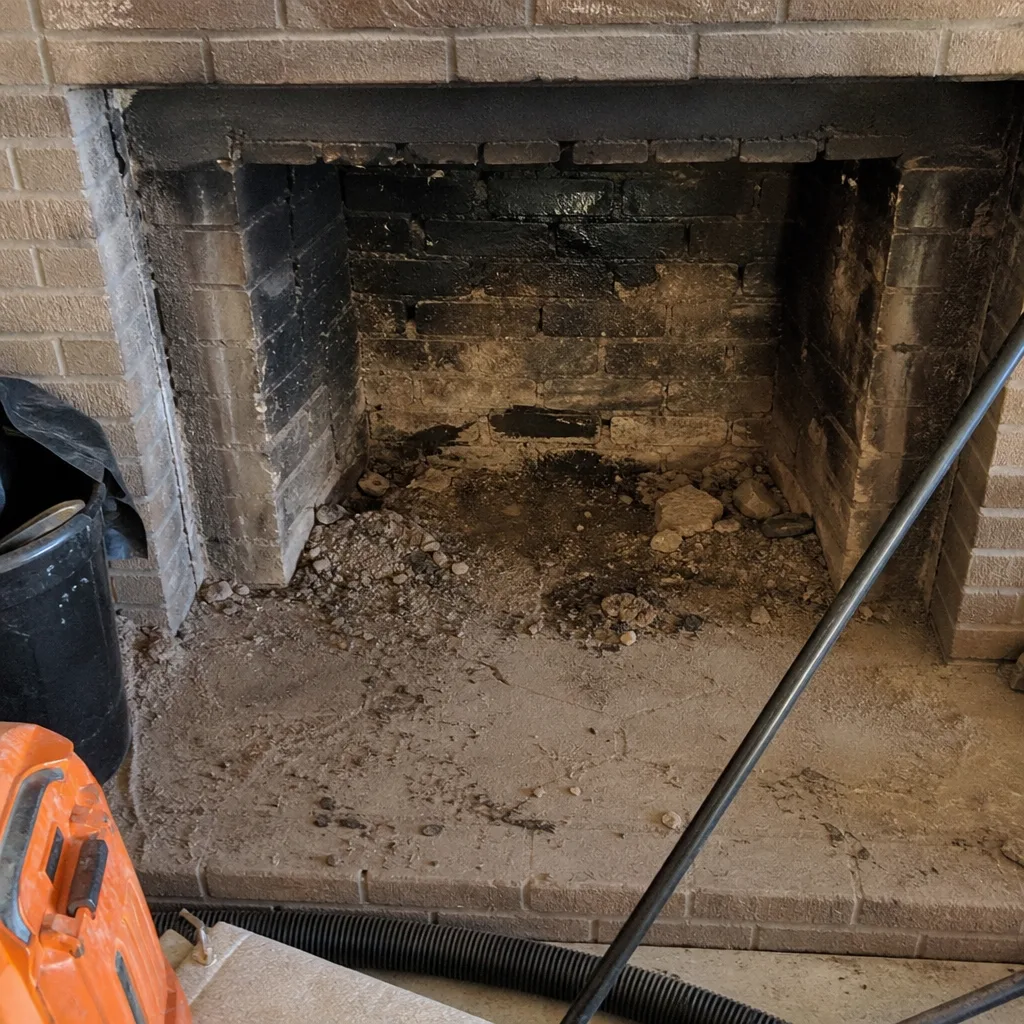
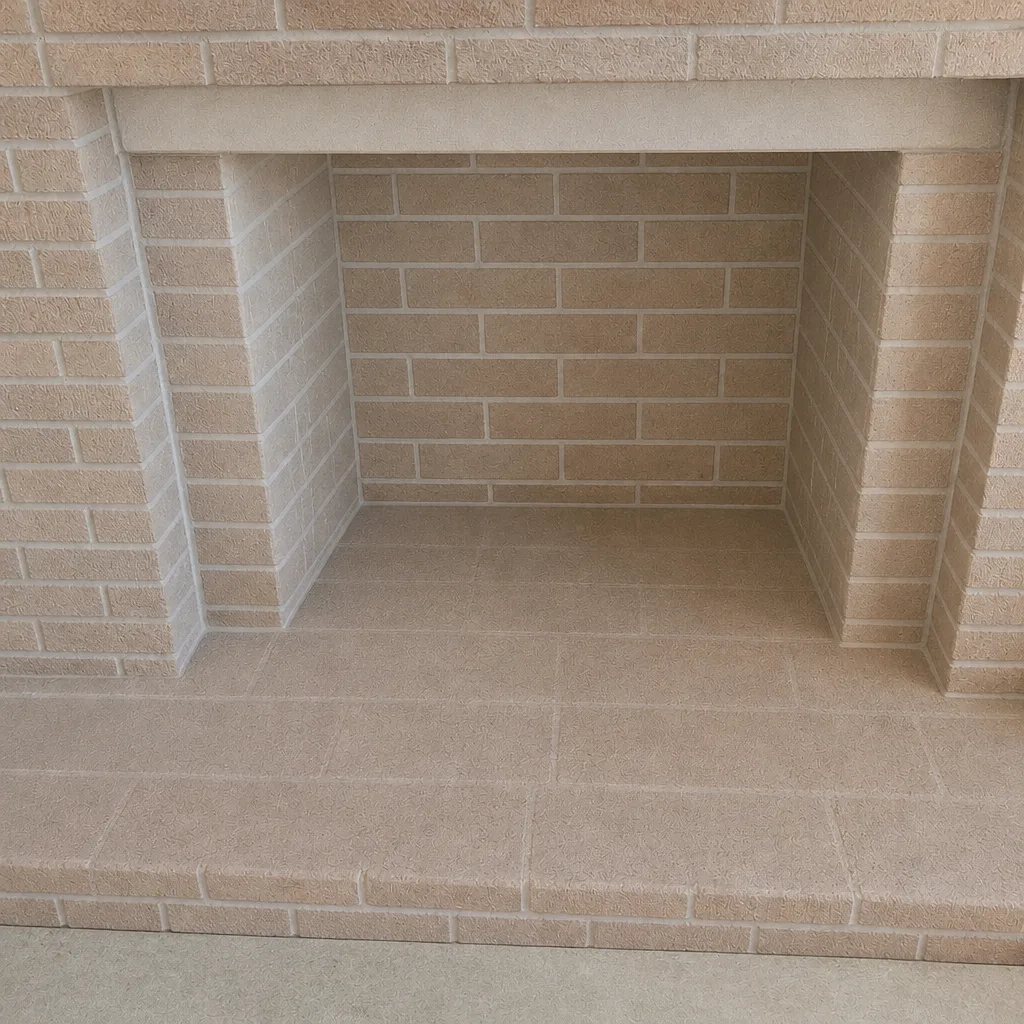
See the difference
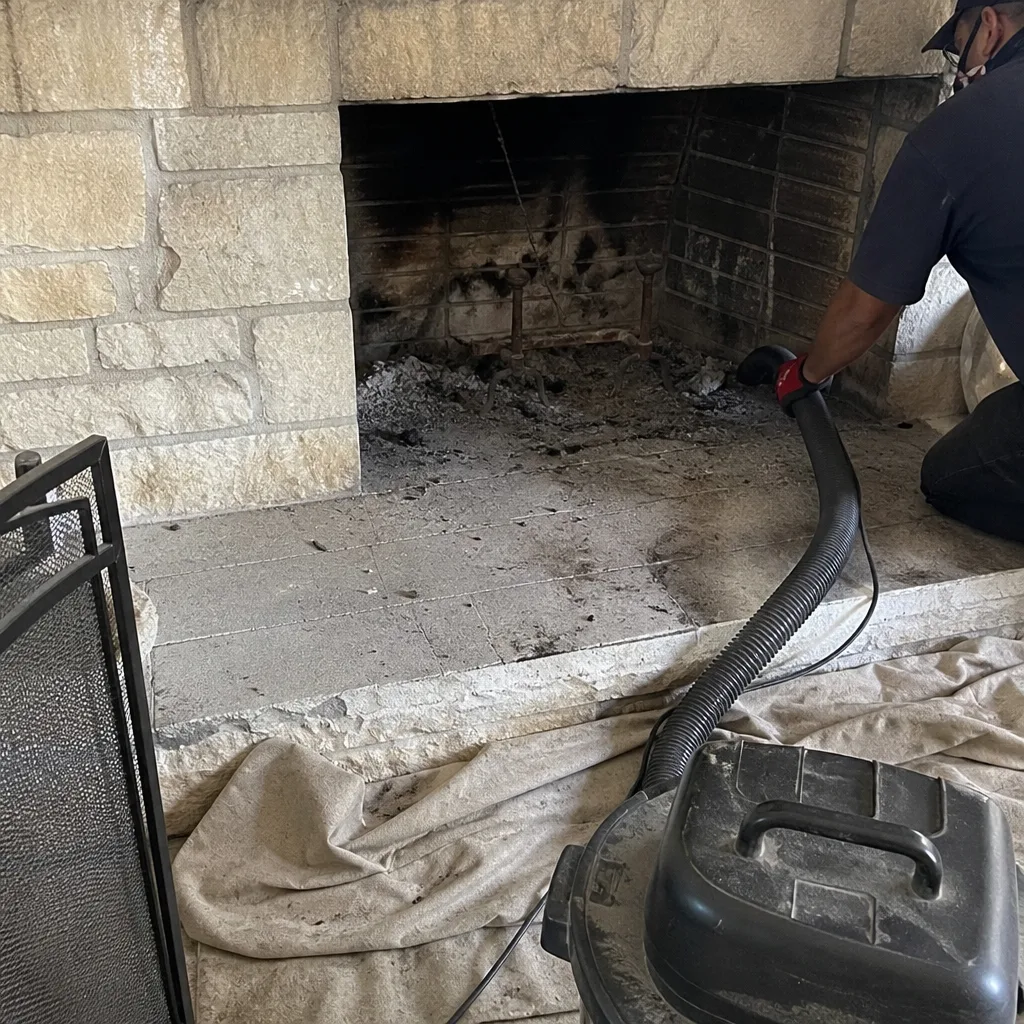 Before
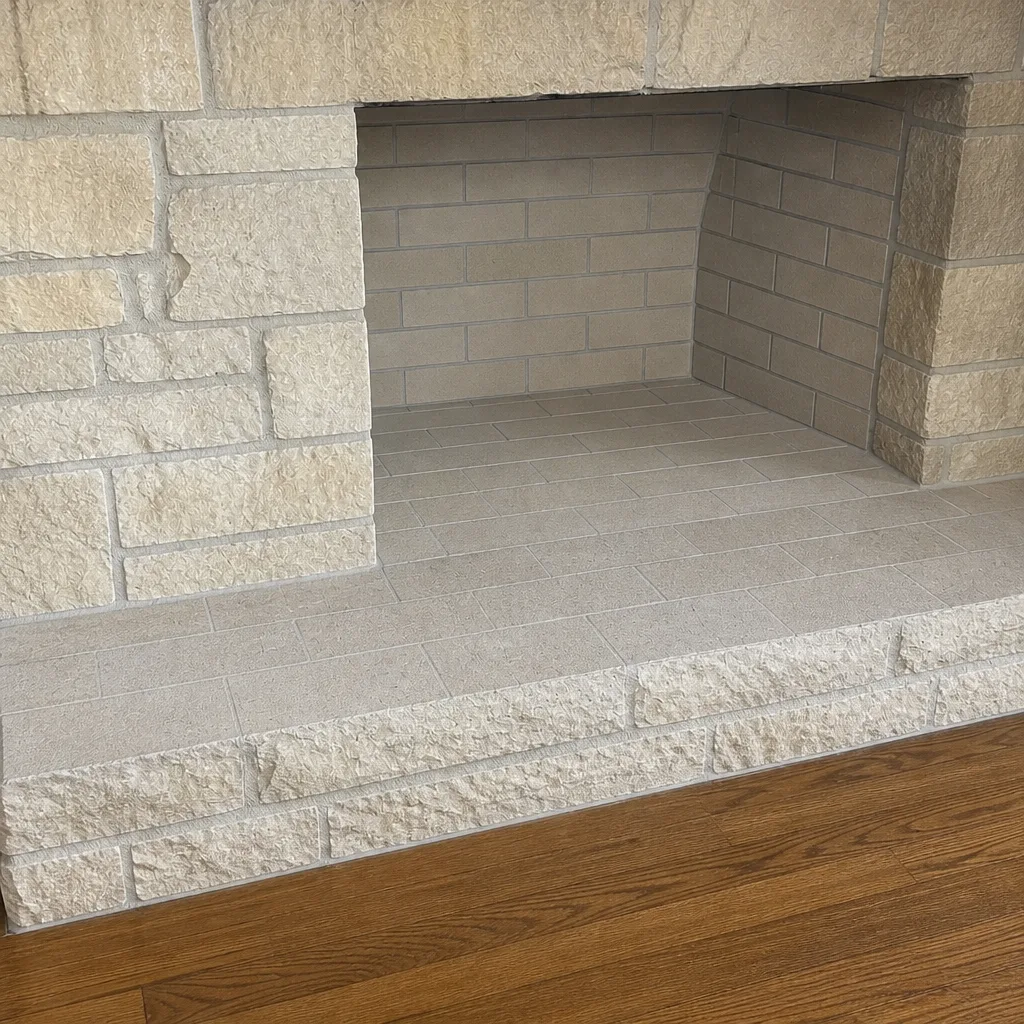 After
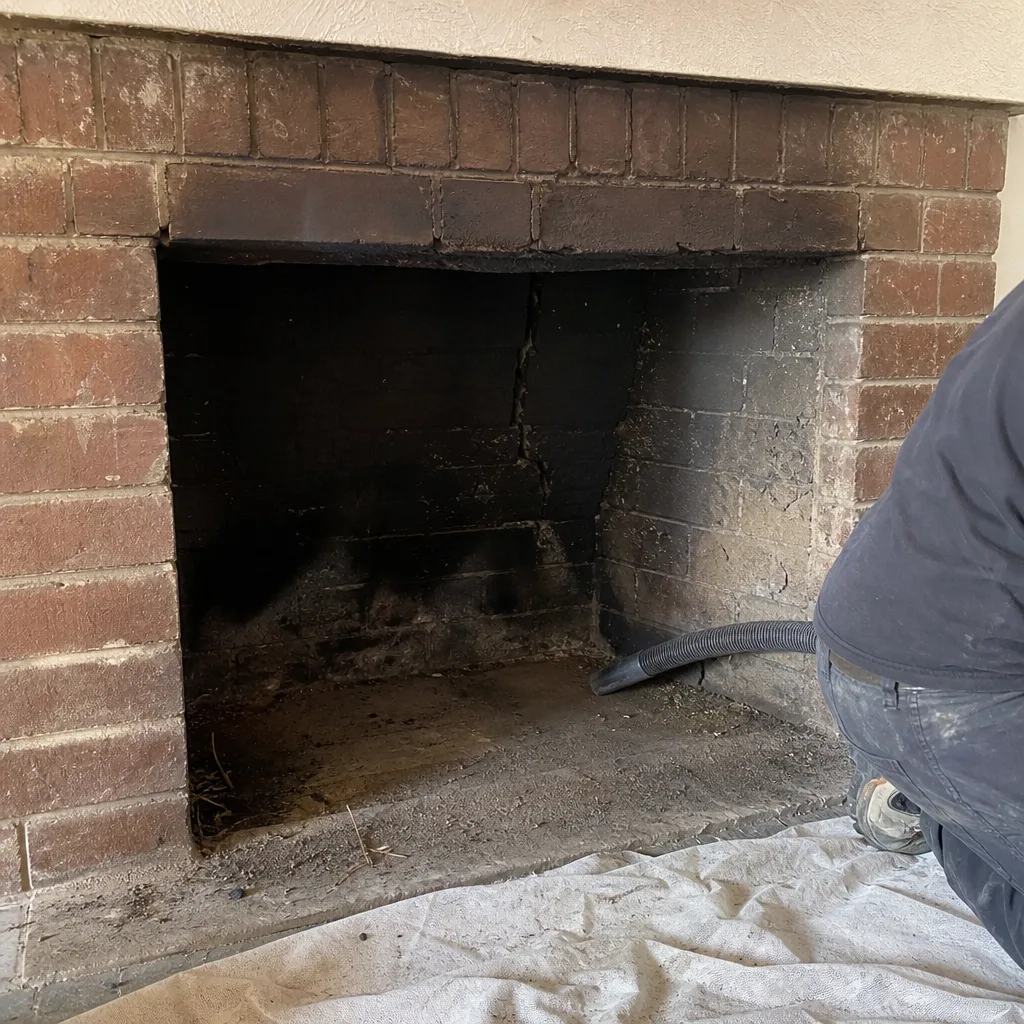 Before
 After
 Before
 After
When to Call a Professional
There are clear moments when a professional needs to be involved, and there are the moments when you should act first and call after. After any suspected chimney fire, even one that seemed small, get an inspection before you light another fire. If you’re seeing soot streaks, a smoky draft, or a carbon monoxide alarm that fires when the appliance runs, that’s a professional call, today. If it’s been more than a year since your last sweep, book one before the first cold front, not after. If you’re buying or selling a home in Edinburg and need a documented inspection, that’s a chimney-only job, and a general inspector won’t substitute. And if smoke is backing into the room while a fire is burning, that’s a call to 911 first, then to a chimney professional. Chimney Sweep Edinburg offers free estimates in Edinburg. Call (833) 754-6303. We answer 24/7. Fast dispatch from 7am to 7pm, Sunday through Friday.
Frequently Asked Questions
Get everyone out of the house and call 911. If you see flames or sparks at the chimney top, hear roaring, or smell a strong burning odor that doesn’t clear, don’t wait to see if it improves. After the fire department clears the scene, keep the fireplace out of service until a professional inspects the flue. Call (833) 754-6303 for a post-fire inspection. We answer 24/7. Fast dispatch from 7am to 7pm, Sunday through Friday.
Yes, a chimney fire can go out on its own, but that doesn’t mean the chimney is safe to use. The heat from a chimney fire can crack the liner, loosen mortar joints, or spall the flue tiles, and none of that is visible from the firebox opening. A chimney that “survived” still needs a camera inspection before it’s used again.
A chimney should be inspected annually, and swept whenever the creosote buildup or debris warrants it; in Edinburg, the practical time is before the first fire of the season. Because fireplaces here sit unused for months, buildup and debris accumulate during the warm season and reveal themselves on the first cold night. Booking the inspection before that night is the single step that prevents most first-fire emergencies.
Chimney sweeping is priced per job by a written estimate, and the estimate is free, so you’ll know the cost before any work is booked. A camera inspection included with the sweep lets us scope the work to what your flue actually needs rather than a standard package. Call (833) 754-6303 for an exact quote. Estimates are free.
A chimney fire smells hot, sharp, and tarlike, more chemical than wood smoke, and the odor doesn’t clear when the damper is open. Normal fireplace smoke smells like burning wood and pulls up the flue. If the smell is acrid, lingers, or seems to be coming from the chimney itself rather than the firebox, treat it as a possible chimney fire and act accordingly.
Call the fire department first and keep their report number, photograph everything before you clean up, and get a professional inspection with photo documentation of the liner and flue condition. Then get a written repair estimate and contact your insurer before authorizing any work. Call (833) 754-6303 if you need the inspection and documentation piece. Estimates are free.
The Bottom Line
Chimney emergencies in Edinburg follow a predictable pattern: a long warm season, an unused fireplace, a first cold night, and a problem that shows up when the fire is already lit. The protection is equally predictable. Book the sweep and camera inspection before the first fire, recognize the quieter signs of a chimney fire (rumble, acrid smell, smoke where it shouldn’t be), get out and call 911 when the criteria fit, and inspect before the fireplace goes back into service. When a repair is needed, whether it’s a liner replacement or a flue repair, insist on evidence you can see and materials built to last. The best chimney emergency is the one that never happens because you checked first. If you want a free estimate on an inspection or a sweep, Chimney Sweep Edinburg is here. Our technicians have up to 8 years of experience. Call (833) 754-6303. We answer 24/7. Fast dispatch from 7am to 7pm, Sunday through Friday. You can also book a chimney repair after a fire event, and we’ll scope the work to what your flue actually needs.
Written by the team at Chimney Sweep Edinburg.