
Last updated November 15, 2026
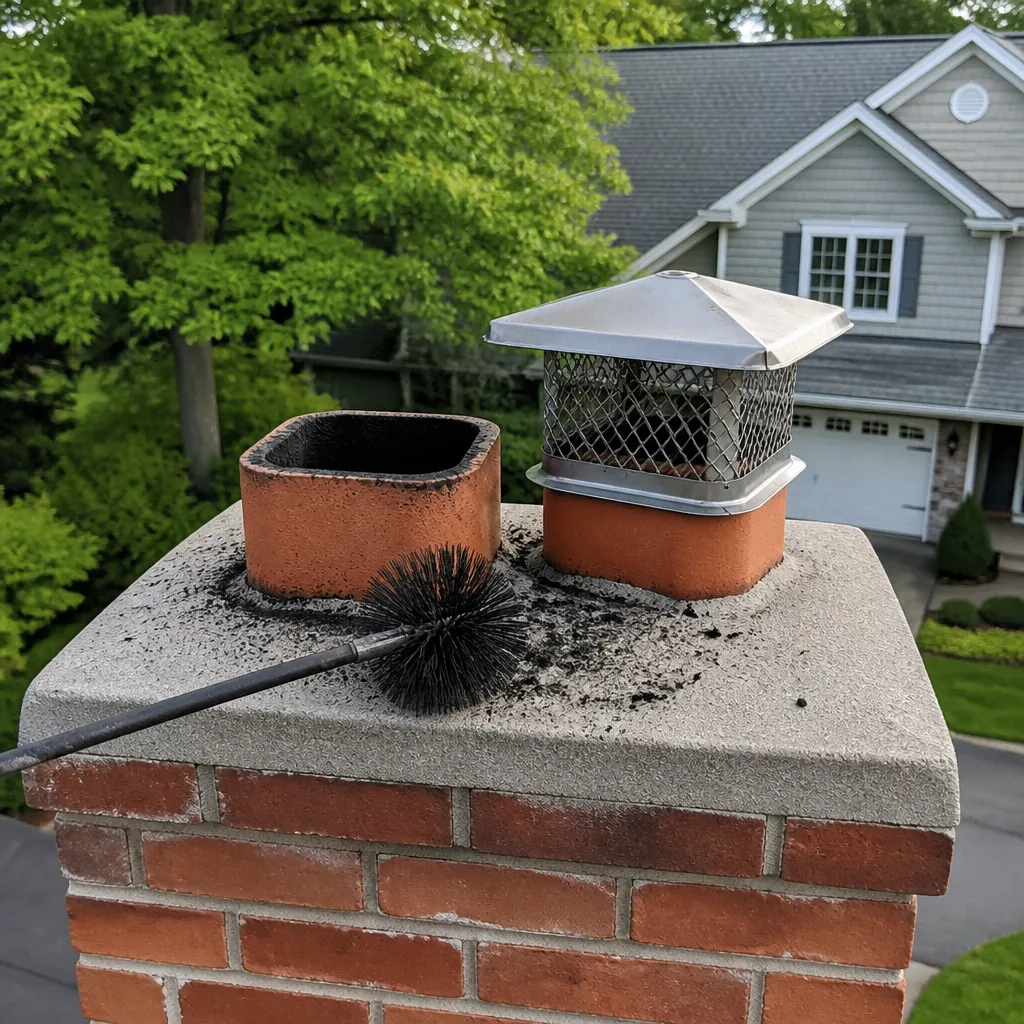 Sweep & inspection
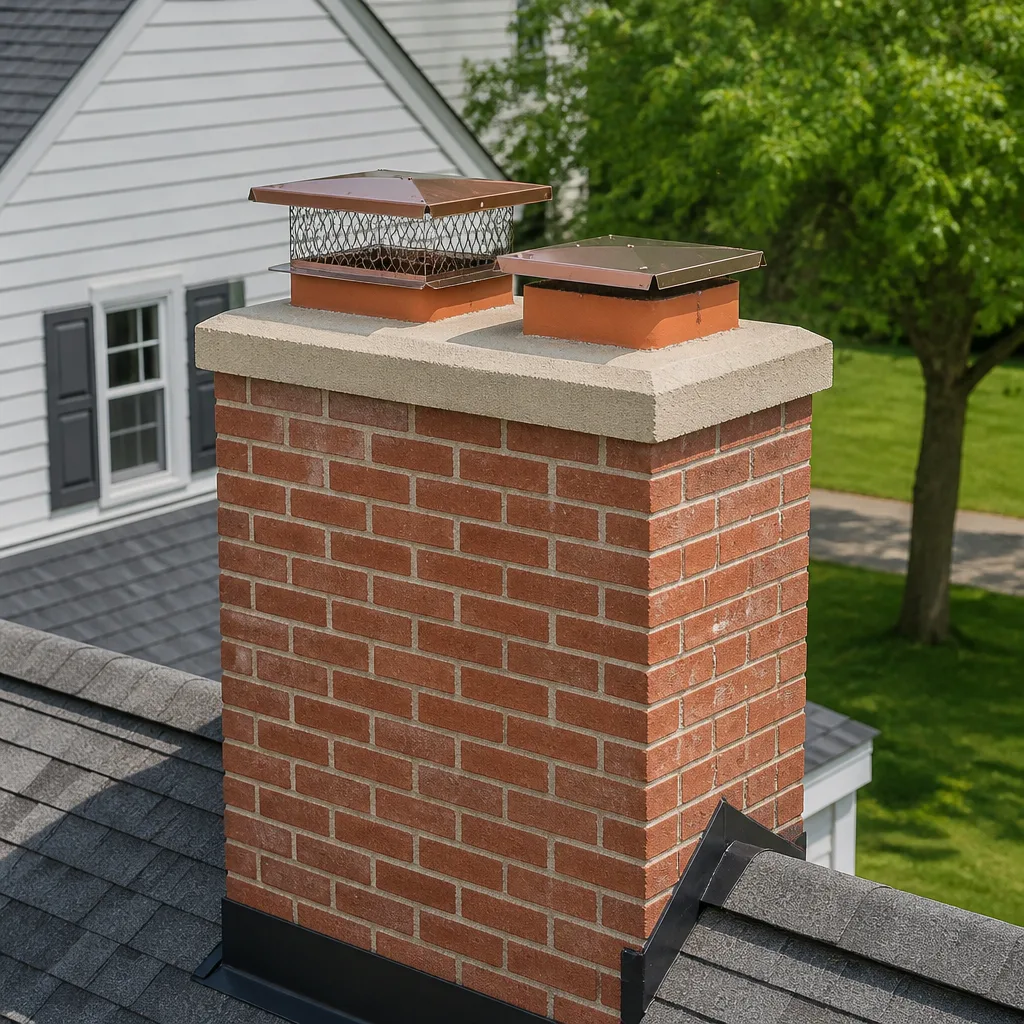 Caps & crowns
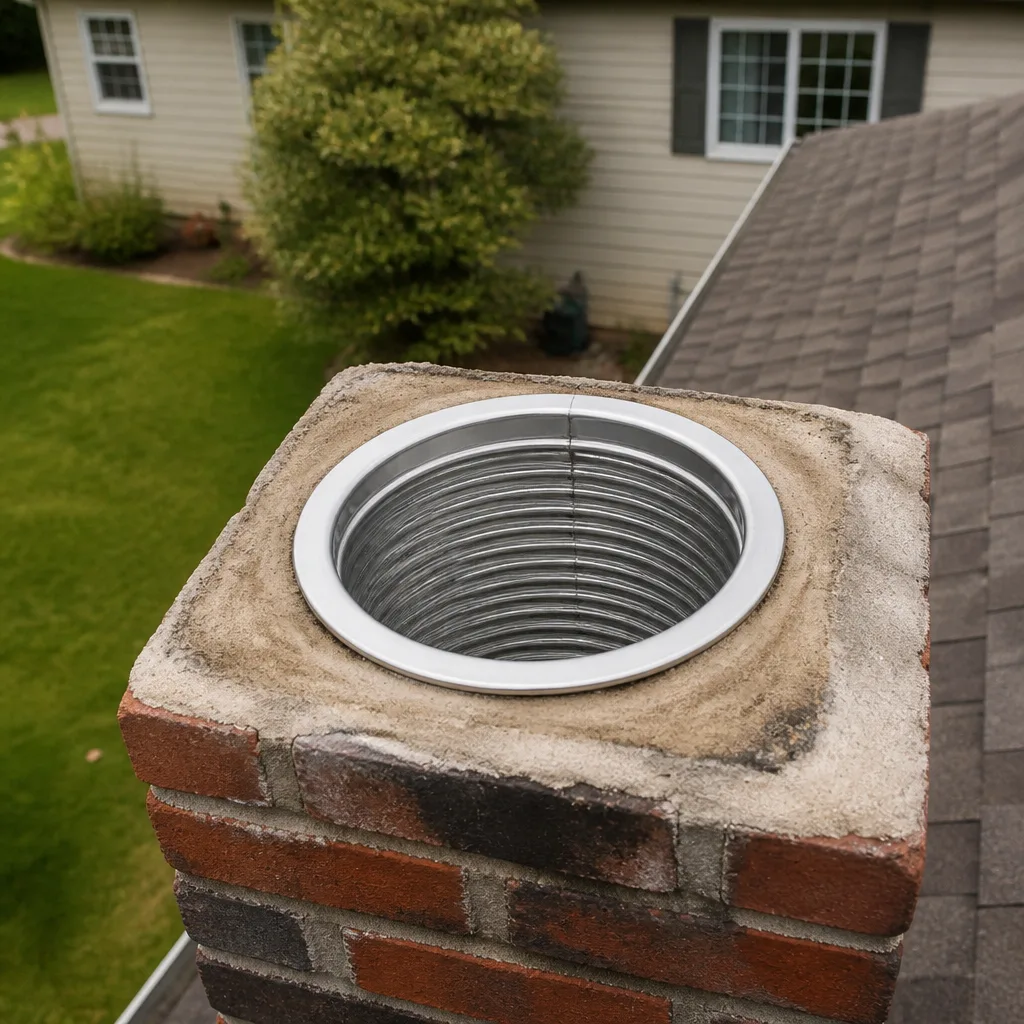 Flue relining
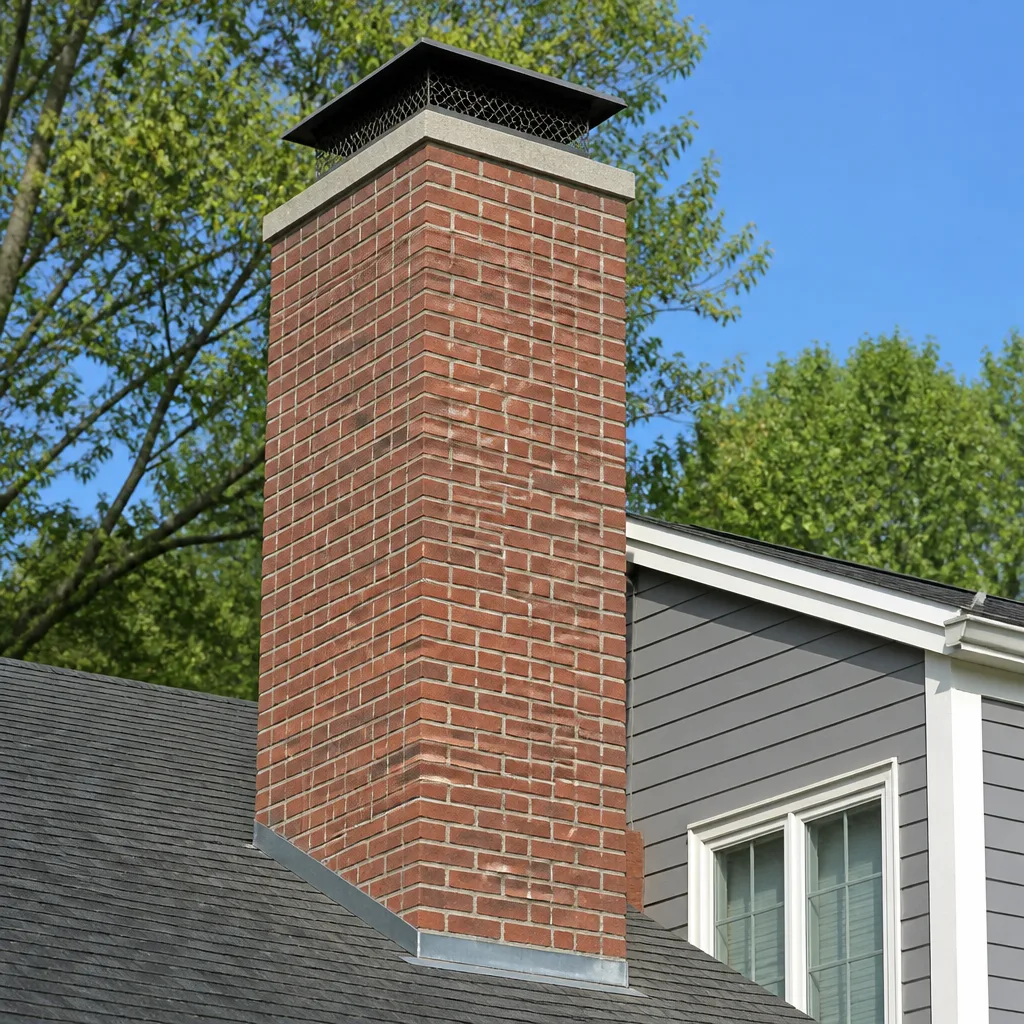 Masonry repair
 Gas fireplace service
Level 1 sweep and inspection to the NFPA 211 annual standard - flue, crown, cap, and flashing checked and photographed
Chimney sweep logs do not sweep chimneys. They loosen some creosote - which then falls where a brush and vacuum still have to collect it.
DIY vs Professional Chimney Cleaning: The Edinburg Homeowner’s Decision Guide
Most homeowners assume the choice between DIY and professional chimney cleaning comes down to skill. It doesn’t. It comes down to visibility. A hardware-store brush removes loose soot from the flue walls you can reach and see. It cannot classify the creosote that’s baked onto the liner, it cannot inspect the smoke chamber above the damper, and it cannot tell you whether the flue liner has hairline cracks you’d never spot from the firebox floor. In Edinburg, where many fireplaces see irregular, low-heat use through the mild winter, that gap between “looks clean” and “is safe” matters more than most people realize. This guide draws a practical line between what you can legitimately handle yourself and where professional equipment is the only honest answer. You’ll leave knowing which problem you actually have, and which tool that problem requires.
Quick Answer
A homeowner can safely handle firebox debris removal, a damper function check, and a ground-level visual inspection of the cap and exterior. A homeowner cannot reliably classify creosote stage, evaluate liner integrity, or assess smoke chamber condition without professional equipment and training. For most Edinburg homes, that means a professional Chimney Sweep Edinburg visit is worth it not for the brushing itself, but for the assessment that comes with it. If your fireplace burns irregularly or infrequently, that assessment is more important, not less.
Styles & brands we work with
- Sweep & inspection
- Caps & crowns
- Flue relining
- Masonry repair
- Gas fireplace service
Table of Contents
- What You Can Legitimately Do Yourself
- The Three Things DIY Can’t Evaluate
- Why Irregular Use Makes Inspection More Important in Edinburg
- The Real Cost Comparison
- Insurance and Liability: What a DIY-Only Record Leaves You With
- How a Professional Cleaning Actually Works
- What Professional Equipment Sees That You Can’t
- Common Mistakes to Avoid
- When to Call a Professional
- Frequently Asked Questions
What You Can Legitimately Do Yourself
We’re not going to tell you that every chimney task requires a professional. That’s not true, and it doesn’t help you. There are real maintenance tasks you can and should handle on your own, and knowing which ones they are makes the professional visits more effective.
Here’s what falls safely in the homeowner column:
- Firebox debris removal. Ash, charred wood remnants, and fallen soot at the base of the firebox are yours to clear. Scoop it into a metal container, not a plastic bag or cardboard box, and store it away from anything combustible for a few days before disposal.
- Damper function check. Open the damper and confirm it swings freely through its full range. A damper that sticks, won’t stay open, or doesn’t seal when closed is a repair item. Checking it takes about thirty seconds and prevents smoke backing up into the room.
- Cap and exterior visual inspection from ground level. Binoculars are useful here. You’re checking for rust, obvious damage, missing cap components, and bird or animal activity around the crown. You can see a lot from the ground.
- Checking for smoke backup signs. Soot streaking on the face of the fireplace, dark stains near the damper, or a strong smoky smell in the room when the fireplace is not in use all point to problems worth investigating professionally.
- Clearing the firebox of stored items. It sounds obvious, but boxes, decorations, and hearth accessories stored inside the firebox present a hazard that only you can prevent.
What you should not do is buy a brush kit and assume a clean flue equals a safe flue. That assumption is where DIY goes wrong. In our experience, the homes that concern us most are the ones where the homeowner has been diligent about brushing but has never had the liner inspected.
One more note on the tools themselves: a basic polypropylene brush and rods are fine for light soot on a flue you can see. They’re not designed for the harder, glazed deposits that form at higher stages of creosote. Pushing a brush designed for loose soot into a flue coated with glazed creosote won’t remove it. It may simply compact what’s there.
The Three Things DIY Can’t Evaluate
This is the heart of the decision. Not whether you can push a brush through a flue, but whether you can see what the flue is actually telling you. Three assessments require professional equipment and training, and no amount of homeowner diligence substitutes for them.
1. Liner Condition
A flue liner is the barrier between combustion gases and the structure of your house. A clay tile liner can crack from thermal stress, settling, or a previous chimney fire. A metal liner can develop splits or connection failures at joints. None of this is visible from the firebox with a flashlight. A professional brush and a camera see the flue from top to bottom and side to side. This is also where the repair conversation starts, and it’s why the material matters more than most homeowners realize. We use chimney repair systems like HeatShield to resurface deteriorated liners and DuraFlex flexible liner systems when a liner needs replacement. The right material for your specific flue geometry is a determination only a professional who has looked at it can make.
2. Smoke Chamber Integrity
The smoke chamber sits directly above the damper and funnels exhaust from the firebox into the flue. Its sloped walls are notorious for collecting creosote. They’re also where hairline cracks form, and those cracks can let heat and gases reach framing behind the fireplace. A borescope camera reveals the smoke chamber walls in a way no handheld light ever will. This is the single most common place where amateur inspections miss a developing problem.
3. Creosote Classification
Creosote doesn’t come in one form. It progresses from light soot (Stage 1) through hardened, crusted deposits (Stage 2) to glazed, tar-like material (Stage 3). Each stage calls for different tools and different urgency. Stage 3 creosote is the most combustible form, and it cannot be removed with a standard brush. You need a rotary tool and, in some cases, chemical treatment followed by a mechanical sweep. A homeowner looking up the flue cannot reliably tell you which stage they’re looking at. A trained technician can.
Why Irregular Use Makes Inspection More Important in Edinburg
Here’s a point that runs counter to common sense: a fireplace that’s used heavily and regularly is often easier to stay ahead of than one that’s used occasionally and unpredictably. Edinburg’s mild winters fall clearly in the second category.
When a fireplace burns consistently, creosote develops in a predictable pattern and the homeowner knows to schedule a sweep after a certain amount of use. When a fireplace burns a handful of times through December and January and then sits idle, several things happen:
- Burning the fireplace only occasionally means the firebox tends to run cooler. Cooler combustion produces more creosote than a hot, well-drafted fire.
- Irregular burns make it hard to track how much use has actually accumulated. You may think it’s been five fires this season when it’s been twelve.
- Long idle periods are when problems quietly develop. A small crack in the flue liner isn’t a concern while the fireplace is dormant, but it’s not improving either.
- In a home that’s been in the family for years, seasonal habits (build a fire in December, forget about it by February) mean the chimney may not have had a proper inspection in a very long time.
Edinburg’s climate also means chimneys here don’t get the dramatic temperature swings that accelerate certain types of damage in colder parts of the country. That’s good news. But the mild climate creates a different problem: awareness. Homeowners in Edinburg often don’t think about chimney maintenance at all because the fireplace isn’t a daily fixture. That’s exactly why we say irregular use is a reason for more attention, not less. A well-used fireplace announces its own maintenance needs through how it burns. An occasional fireplace sits silent.
Homes in neighborhoods like Indian Hills and the older residential blocks of Edinburg are full of this pattern: a fireplace that’s used for atmosphere a few times a year and never inspected. It’s one of the most common situations we see.
The Real Cost Comparison
A brush kit costs a fraction of a professional cleaning, and that’s true. But the comparison isn’t only money. It’s what each option leaves you knowing when the job is done.
Here’s how the two approaches break down:
| What You Get | DIY Brush Kit | Professional Cleaning |
|---|---|---|
| Cost | Kit plus rods, consumables | Set by written estimate after we see the job |
| Soot removal | Yes, from accessible surfaces | Yes, including the full flue length |
| Creosote stage classification | No | Yes |
| Liner integrity check | No | Yes, with camera |
| Smoke chamber inspection | No | Yes, with borescope |
| Written inspection documentation | No | Yes |
| Photo report of findings | No | Yes |
| Repair recommendations you can verify | No | Yes, with photographic evidence |
The dollars don’t tell the whole story, because DIY and professional aren’t actually solving the same problem. DIY removes what you can see. A professional cleaning removes what’s there and documents what it means. The cost of a professional visit includes a written inspection, which is a different product than a sweep alone. On a real line in a home purchase file, that written documentation can matter as much as the cleaning itself.
We don’t quote prices over the phone for a reason: a one-story ranch with a straight flue and a two-story home with an offset flue and a wood-burning insert are not the same job. What we can tell you is that we set the price by written estimate after we’ve seen the setup, so you know what you’re approving before work starts. Call (833) 754-6303 to schedule an estimate.
Insurance and Liability: What a DIY-Only Record Leaves You With
If a chimney fire happens after you’ve done nothing but brush the flue yourself, you have no documentation that the chimney was inspected, and that can complicate a claim. Insurers don’t require a chimney sweep receipt as a matter of universal policy, but many treat documented maintenance as evidence of reasonable care. If you can’t produce that record, you may face more questions at a bad time.
Here’s what the paper trail actually looks like when it’s done right:
- A written inspection report that identifies what was found, from creosote presence to liner observations.
- Photographs of the flue and firebox that show condition before and after.
- A clear record of recommendations, including which items can safely wait and which should be addressed.
This matters most in three situations: when you’re putting a home on the market, when you’ve recently bought a home and inherited an unknown chimney history, and when you’re filing an insurance claim after any chimney-related incident. A recent professional inspection is the strongest piece of documentation a homeowner can hold. It doesn’t guarantee a claim outcome, but it does demonstrate that you took the maintenance seriously.
We can work with your insurer on the documentation side. What we can’t do is tell you an insurer will require it, because that varies by carrier and policy. What we can tell you is the value of a record you don’t have to reconstruct from memory.
How a Professional Cleaning Actually Works
If you’ve never watched a professional sweep, the process is straightforward. It’s also more thorough than most homeowners expect. Here’s the sequence we follow:
- We lay down protective covers. Floor and hearth get covered before any equipment moves in. You don’t have to move furniture or worry about soot on the floor.
- We inspect before we sweep. This step surprises some homeowners. We look at the firebox, damper, and smoke chamber before we run a brush, because the condition we find informs how we proceed. If the flue has significant damage, sweeping can make it worse.
- We run the sweep through the full flue. This is the part most people picture. A properly sized brush on a flexible rod removes soot and creosote from the interior flue wall, top to bottom.
- We do camera work. A camera run through the flue and a borescope look into the smoke chamber tell us what the brush can’t. This is where liner condition and creosote stage get classified.
- We clean the firebox and damper area. Ash and debris are bagged and removed from the home.
- We inspect the cap, crown, and exterior from the roof. Flashing, crown cracks, cap damage, and bird nesting are checked from above, not just from the ground.
- We write it up. You get a written report with photographs. If something needs repair, you see the evidence yourself. If nothing needs repair, we tell you that too.
The final step is the one that separates a professional cleaning from a brush and vacuum. You leave the process knowing more about your chimney than you did before, and you have documentation to show for it.
For a deeper look at what the sweep itself involves, our chimney sweep page walks through the equipment and what each stage of the process accomplishes.
What Professional Equipment Sees That You Can’t
The gap between a hardware-store kit and the equipment a chimney specialist brings isn’t marketing. It’s a genuine difference in what the tool is designed to reveal.
A homeowner’s brush is built for soot removal. That’s a legitimate purpose. It’s just not the same as assessment. Here’s what professional equipment does that a basic kit doesn’t:
- Camera inspection of the full flue. A video camera on a flexible rod runs the length of the flue and shows the walls on a screen. It reveals cracks, joint separation, offset issues, and blockages that no flashlight beam can find.
- Borescope into the smoke chamber. The smoke chamber is the tightest, most obstructed part of the chimney. A borescope reaches into it and shows the walls close-up.
- Rotary creosote tools. For Stage 2 and Stage 3 creosote, a rotating metal tool on a specialized rod is required to break it down. A standard brush doesn’t touch it.
- Moisture and draft testing. A draft check can reveal whether the flue is pulling properly, which a visual inspection alone can’t establish.
When the assessment turns up damage, the repair work involves industry-standard products for a reason. We work with HeatShield ceramic flue resurfacing, DuraFlex flexible liner systems, Gelco caps, and Copperfield and Olympia Chimney components. These are the same brands other certified chimney professionals rely on, and they’re chosen for the specific application, not as a one-size-fits-all answer. HeatShield, for example, is a ceramic resurfacing system many general contractors don’t carry. DuraFlex handles both routine liner replacement and the offset or irregular flue configurations that simpler products can’t. The right material for your flue depends on what the camera finds.
Chimney work, and only chimney work, is what we do. That focus means the technicians who inspect your flue are trained specifically on flue systems, not splitting their time between chimneys and unrelated trades.
Common Mistakes to Avoid
- Assuming a clean firebox means a clean flue. A tidy firebox tells you the visible part of the chimney is clean. It says nothing about the flue above, and that’s where the creosote and the cracks are.
- Brushing a flue with heavy glazed creosote. A standard brush pushing through Stage 3 creosote doesn’t remove it. It can compact it or push it further up, which makes a later professional job harder.
- Skipping inspection because the fireplace “doesn’t get used much.” This is the most common trap in Edinburg. Low, irregular use produces more creosote than steady burning and gives you fewer signals that something is off.
- Burning green or unseasoned wood to save money. It produces more creosote than seasoned wood. A lower fuel cost up front can mean a heavier deposit problem down the line.
- Ignoring a smoky smell when the fireplace is idle. That smell is often a draft or creosote issue that a professional can identify before it becomes a bigger problem.
- Having a general handyman handle chimney work. A generalist may sweep a flue, but the material knowledge for liner resurfacing, cap replacement, and smoke chamber repair is a specialist skill. The wrong material choice on a repair can leave you with a problem that costs more to fix the second time.
- Never having a written record of inspection. If you’ve owned the home for years and have no paperwork on the chimney, that’s a documentation gap worth closing, especially if a sale is anywhere on the horizon.
When to Call a Professional
Call a professional if any of these apply: your fireplace hasn’t been inspected in several years; you’ve noticed a smoky smell in the room when the fireplace isn’t lit; you see soot streaks on the fireplace face; you’re preparing to sell or have just bought a home; you’ve burned unseasoned wood or had a chimney fire; your firebox has a creosote smell you can’t place; or you simply want a written record you can trust with your own eyes. A camera inspection and photo report come standard with our work, and nothing gets recommended that you can’t see evidence for. If part of the repair can safely wait, we’ll tell you that too. Chimney Sweep Edinburg offers free estimates in Edinburg. Call (833) 754-6303 to schedule one.
Frequently Asked Questions
Chimney cleaning in Edinburg is priced per job by written estimate, not a flat phone quote, because a single-story home with a straight flue and a two-story home with an offset flue aren’t the same job. The estimate is free, you see it before any work starts, and the written price sets the final cost. Call (833) 754-6303 for an exact quote.
You can buy a brush and remove soot, but you’ll have no way to classify creosote stage, check liner integrity, or assess the smoke chamber, which are the three assessments that determine whether the chimney is safe. A DIY brush addresses the visible part of the problem. Call (833) 754-6303 if you want the full picture, including a written inspection.
The general industry guideline is to sweep when creosote has accumulated to about an eighth of an inch, and at least once a year for most fireplaces. In Edinburg, where many fireplaces see irregular, low-heat burns, the annual inspection is the most reliable way to stay ahead of deposit buildup. Call (833) 754-6303 to book an annual visit.
Skipping it allows creosote to accumulate past the point where a standard sweep removes it, and it means cracks or damage in the liner go unnoticed. Those conditions raise the risk of a chimney fire or carbon monoxide problems over time. Call (833) 754-6303 for an inspection that tells you where you actually stand.
Not always. A liner recommendation should follow a camera inspection that shows you the damage directly, and some liners can be resurfaced rather than replaced. What we won’t do is recommend a liner without giving you the photographic evidence to see why. Call (833) 754-6303 for a free estimate on your flue.
The mild climate here means you may not run the fireplace consistently, and that irregular use produces cooler, creosote-heavy burns that are harder to self-assess than a steady burning pattern. Once a year is the right rhythm to check on a chimney that only gets occasional use. Call (833) 754-6303 to schedule your inspection.
The Bottom Line
DIY cleaning isn’t a question of whether you’re skilled enough to push a brush. It’s a question of what you’re able to see. A homeowner can manage firebox debris, a damper check, and a ground-level look at the cap. A homeowner can’t classify creosote stage, evaluate liner integrity, or inspect the smoke chamber, and those three things determine whether the fireplace is safe. In Edinburg, where irregular, low-heat use is the norm, that assessment matters more than in a home where the fireplace runs daily. If you want the honest version of what your chimney needs, call (833) 754-6303 for a free estimate. We answer 24/7. Fast dispatch from 7am to 7pm, Sunday through Friday.
Written by the team at Chimney Sweep Edinburg.
See the difference
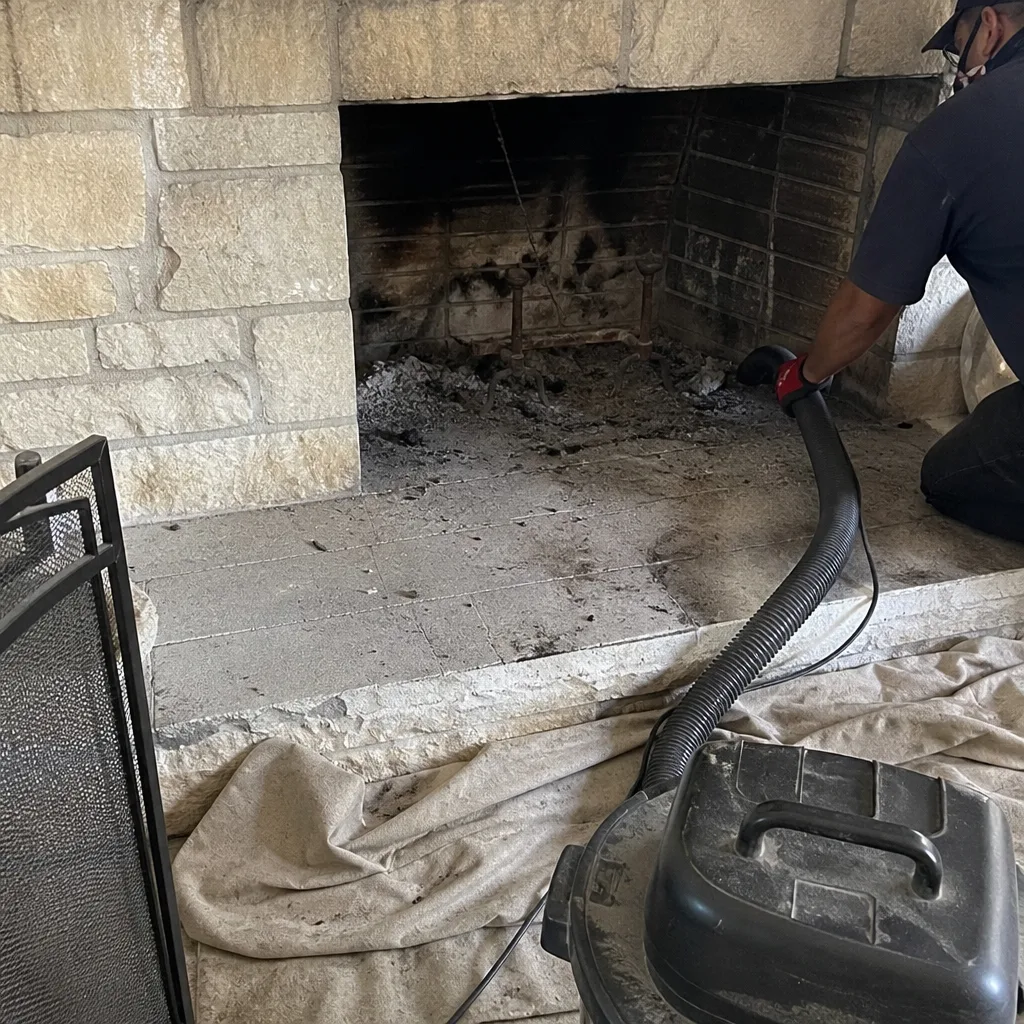 Before
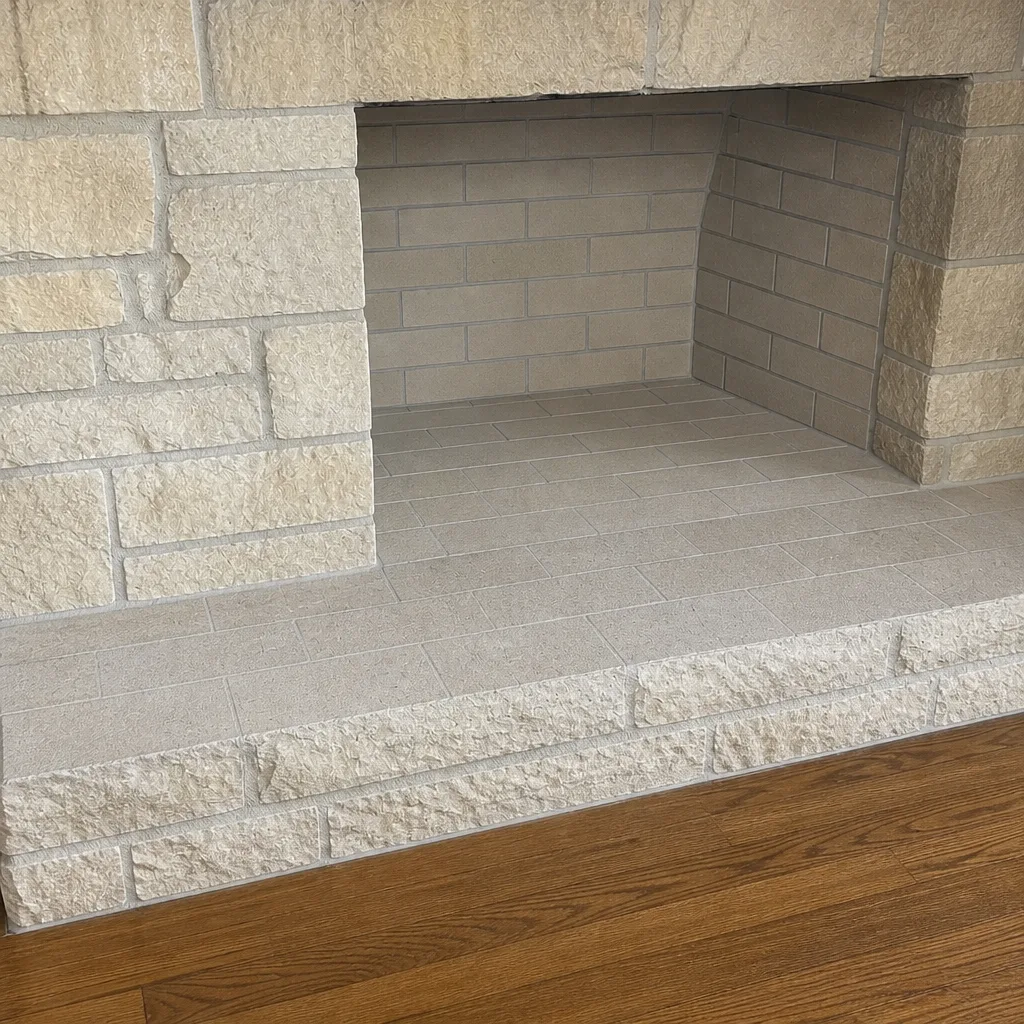 After
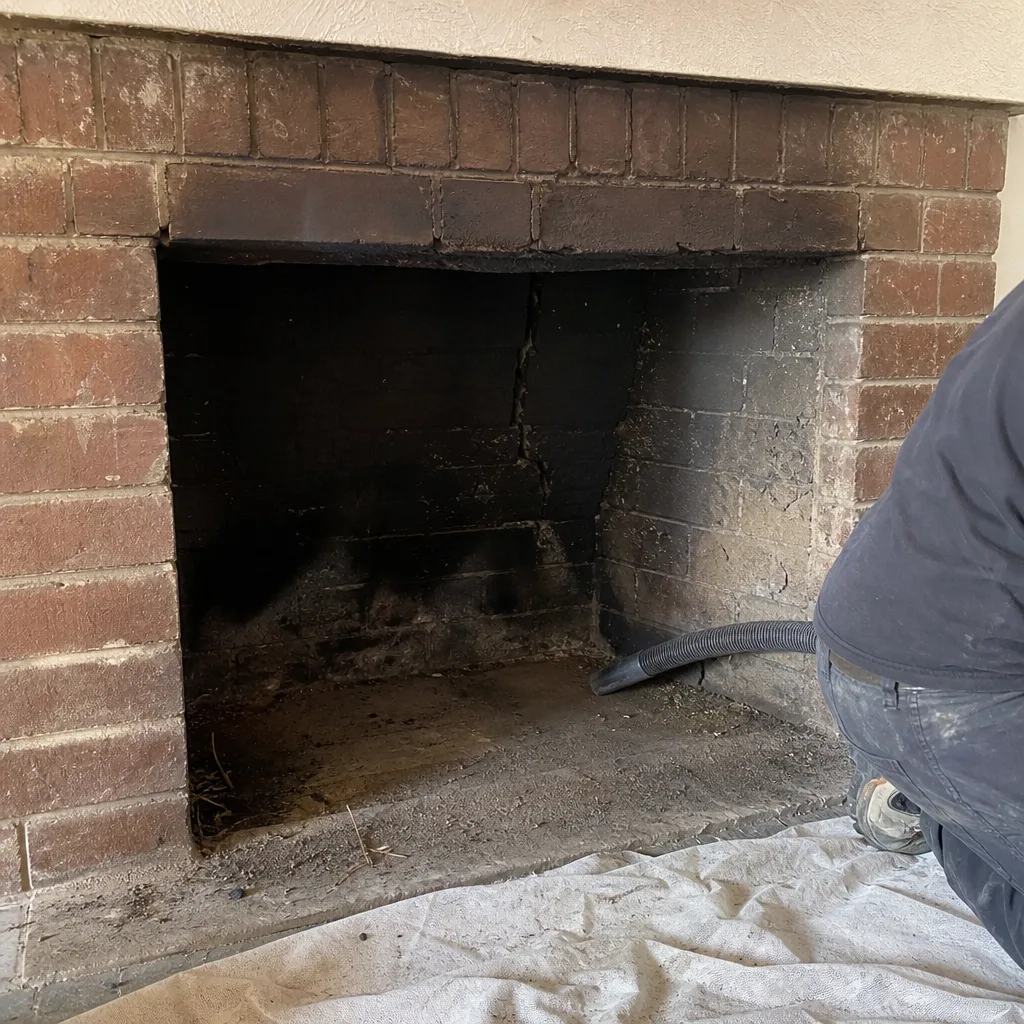 Before
 After
 Before
 After