
Last updated November 15, 2026
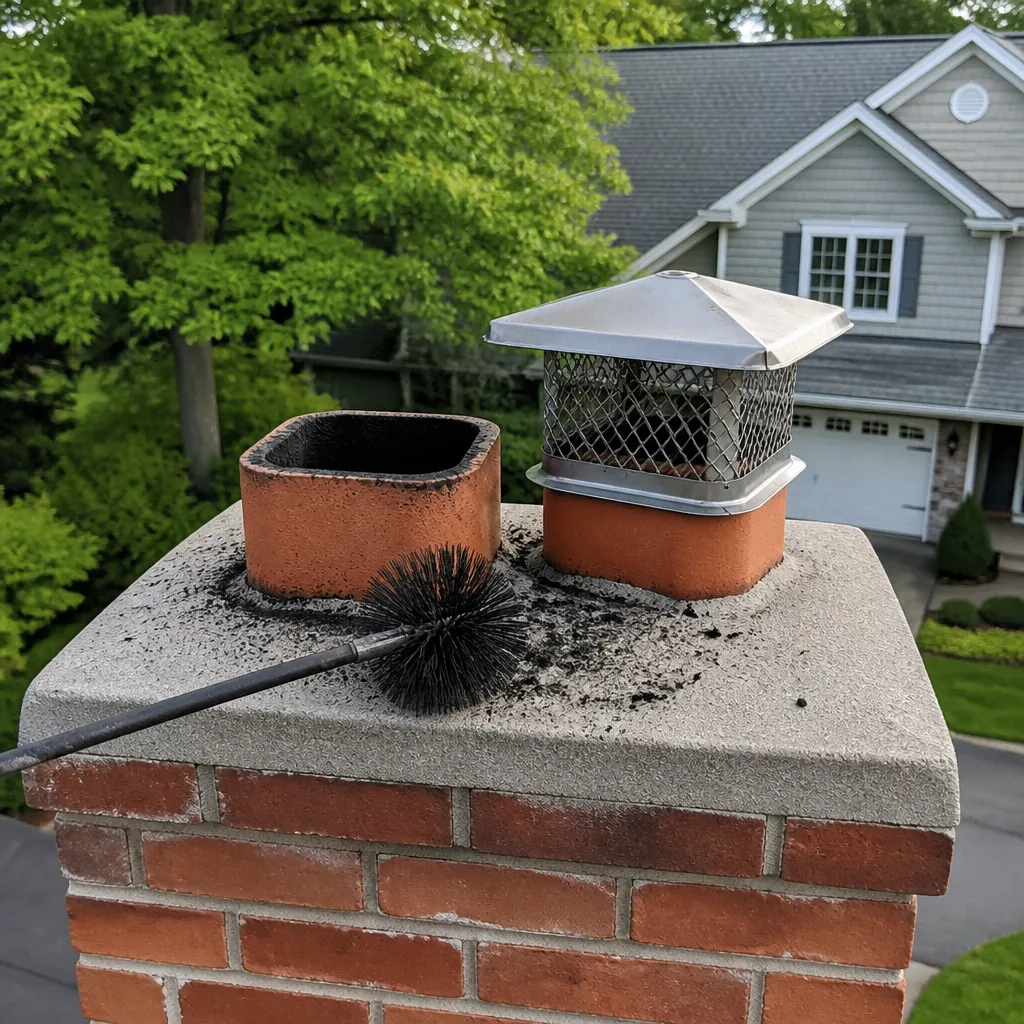 Sweep & inspection
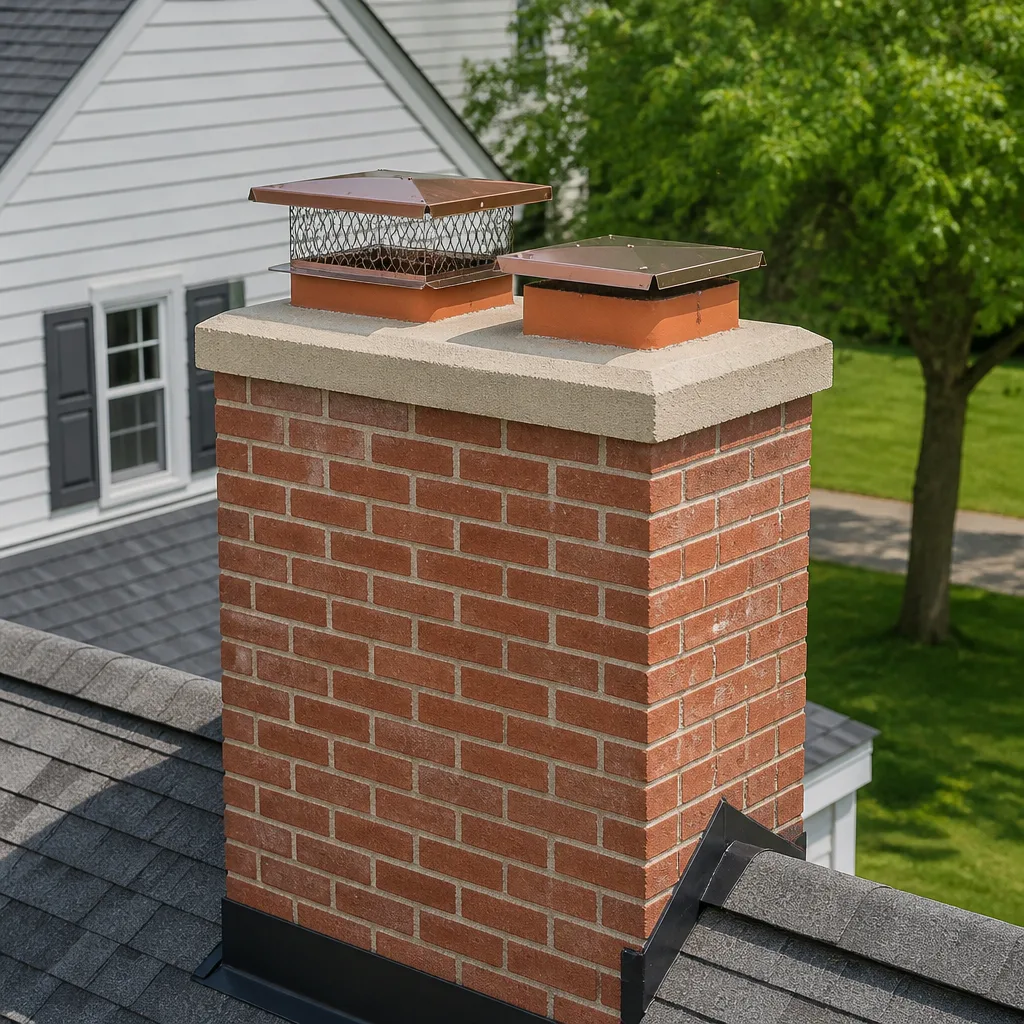 Caps & crowns
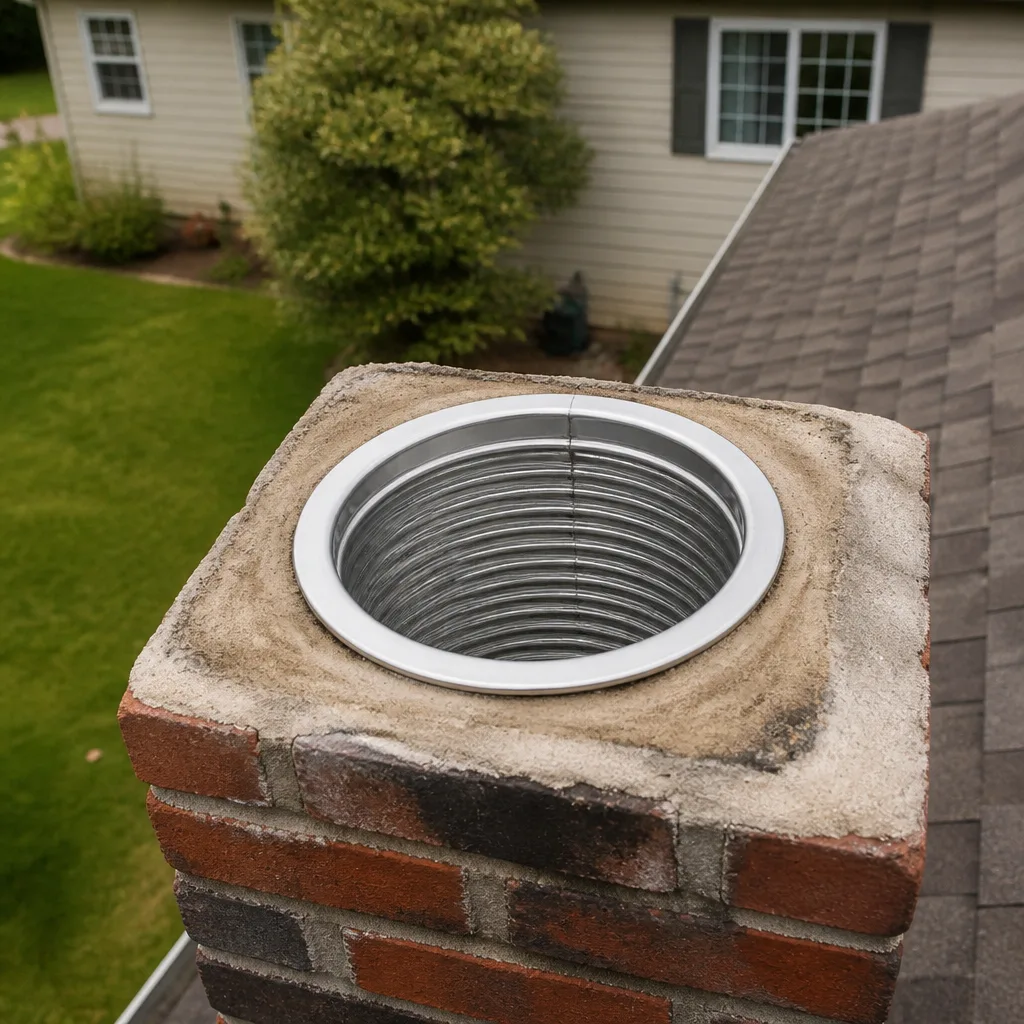 Flue relining
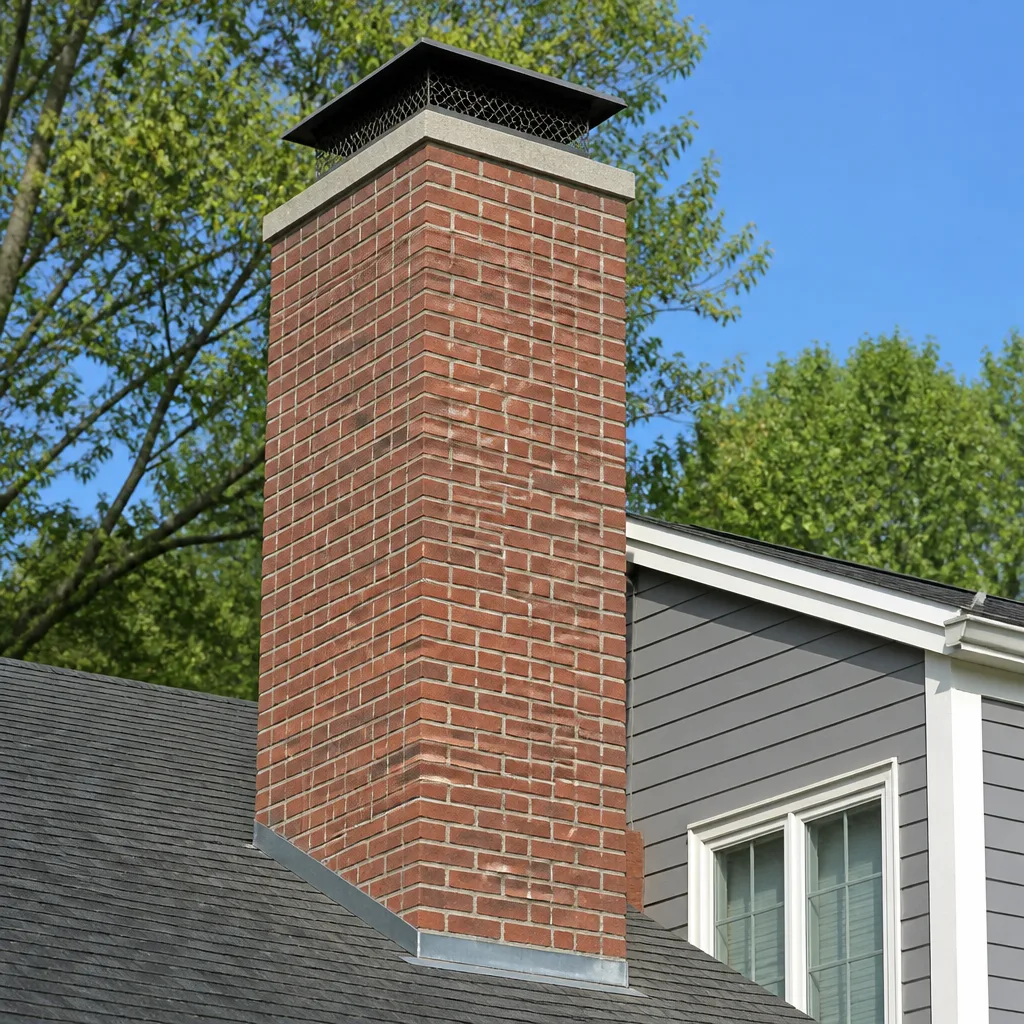 Masonry repair
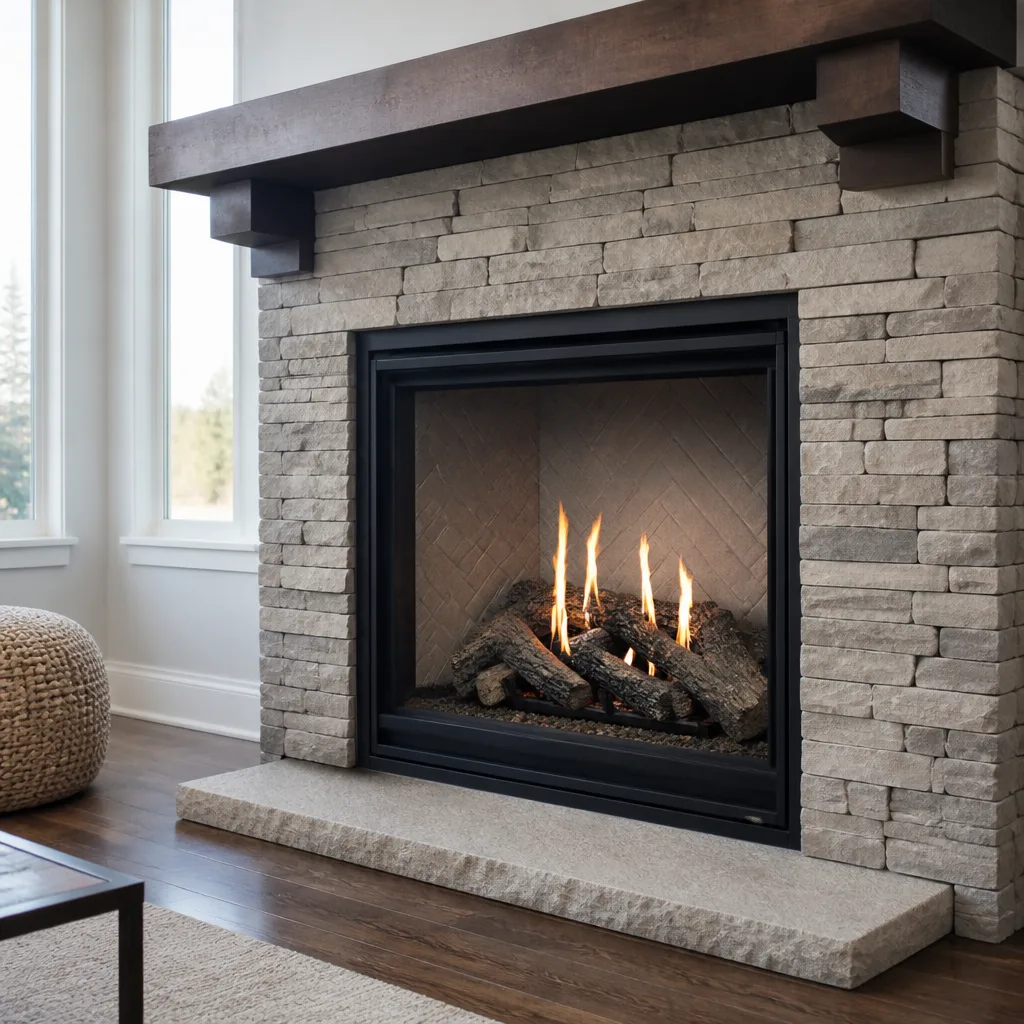 Gas fireplace service
Level 1 sweep and inspection to the NFPA 211 annual standard - flue, crown, cap, and flashing checked and photographed
Chimney sweep logs do not sweep chimneys. They loosen some creosote - which then falls where a brush and vacuum still have to collect it.
Chimney Sweep Troubleshooting in Edinburg: Common Problems and How to Fix Them
If your fireplace smokes back into the room, most online guides will tell you to open the damper wider. That advice misses something important: a partially collapsed flue tile produces the identical symptom, and no amount of damper adjustment will fix it. Hosting a fire in Edinburg means working with a chimney that was probably built for appearance more than heavy use, and that changes what can go wrong. You’ll learn how to read your chimney’s warning signs the way a certified sweep does, tracing problems back to their upstream cause instead of treating visible symptoms. From Edinburg neighborhoods to the seasonal patterns that shape flue wear here, this guide gives you a framework for understanding what you’re actually looking at.
Quick Answer
Most chimney troubleshooting in Edinburg comes down to one question: is the problem airflow, water, or structure? A smoking fireplace, a strange smell, or a stain on the exterior usually traces back to a single upstream cause, and identifying it before you call anyone saves you from paying for the wrong repair. The single most useful rule: symptoms repeat, causes don’t. Fix the cause and the symptom stays gone.
Styles & brands we work with
- Sweep & inspection
- Caps & crowns
- Flue relining
- Masonry repair
- Gas fireplace service
Table of Contents
- Why Chimney Symptoms Rarely Match Their Causes
- Three Causes of a Smoking Fireplace That Look Identical
- Reading Efflorescence Stains on Your Exterior Chimney
- Why Your Chimney Smells in Summer (When Nothing’s Burning)
- Firebox Joint vs. Liner Problem: How to Tell the Difference
- The One Safe DIY Check: Flashlight and Mirror in the Smoke Chamber
- Creosote: The Problem Behind Half the Symptoms
- What a Professional Can See That You Can’t
Why Chimney Symptoms Rarely Match Their Causes
Here’s what we’ve learned watching homeowners diagnose chimney issues for years: the symptom almost never tells you where the problem lives. A fireplace that smokes into the room gets blamed on the damper, the wood, the weather, the house. In reality, that symptom can come from three completely different systems, and they each need a different fix.
In Edinburg, that dynamic plays out a little differently than in colder parts of the country. Winters are mild. Many fireplaces see far less use than they would up north, which means problems often develop from disuse, moisture, or construction shortcuts rather than from heavy creosote buildup. A chimney that sits unused for months is a chimney that can develop small issues that go unnoticed until someone lights the first fire of the season and the whole thing misbehaves.
The framework we use to troubleshoot any chimney in Edinburg works like this:
- Identify the symptom precisely. Smoke rolling back? Smell with no fire? Stain on stucco? Each one narrows the field.
- Trace it upstream. Ask what would have to be true for this symptom to exist, then check the most likely causes in order.
- Rule out what’s cheap. Draft, damper position, and flue cap seating are free to check. Structure and liner issues come later.
- Verify with evidence. Every professional recommendation should be tied to something you can see, either in a camera photo or with your own eyes.
The reason this matters: fixing the symptom without the cause wastes money and usually returns. A smoking fireplace that gets “fixed” with more damper is still a smoking fireplace in three weeks. A stain that gets painted over is still a leak behind the paint. Chimney diagnosing should follow the fire, the water, and the air, in that order.
Three Causes of a Smoking Fireplace That Look Identical
When a fireplace smokes into the room, three different problems can produce the same result: negative house pressure, flue blockage, and flue sizing mismatch. You can’t tell them apart by watching the smoke. You tell them apart by testing each one in order.
1. Negative House Pressure
A modern home is a tight home, and tight homes push air back down the chimney. If the kitchen exhaust fan, bathroom fan, or clothes dryer runs while a fire is lit, the house can pull air down the flue instead of up it. You’ll see smoke hesitate, wander, then spill into the room. The fix is usually simple: crack a window near the fireplace and see if the draft improves immediately. If it does, the problem is pressure, not the chimney. A longer-term solution involves adding makeup air to the house so the flue can pull properly.
2. Flue Blockage
A blockage means air can’t get up the flue. Soot, creosote, a bird nest, a fallen cap, a collapsed interior tile, or a chunk of masonry from the crown can all narrow or close the passage. The symptom mimics pressure exactly, but the window trick won’t help. Sometimes a blockage is intermittent: a loose tile acts like a flap and blocks airflow only when the fire is hot enough to change the air pattern. A camera inspection is the only way to confirm this one.
3. Flue Sizing Mismatch
A flue sized wrong for the firebox, or for a wood insert installed into an older masonry chimney, can’t pull enough air to support the appliance. Common in homes where an insert was dropped into a chimney whose original flue was built for a smaller opening. The fire will burn, but smoky and lazy, even with the damper fully open. Adding a properly sized DuraFlex liner system is one solution to this, because it matches the appliance to the flue rather than forcing the appliance to work with whatever was there. Sizing mismatch doesn’t fix itself and gets worse the more you burn.
In our experience, most Edinburg smoke-back calls come down to blockage or pressure, in that order. Sizing issues usually show up after a renovation or insert installation, not spontaneously.
Reading Efflorescence Stains on Your Exterior Chimney
A white, chalky or brown stain on the outside of your chimney isn’t decoration, and it isn’t something to paint over. It’s efflorescence, a mineral deposit left behind when water moves through masonry and evaporates on the surface. The pattern of the stain tells you where the water is getting in, and that’s the useful part.
How to read what you’re seeing:
- Stain high on the stack, near the cap: water entering at the crown or the top of the flue. The crown is the concrete cap on top of the chimney, and a cracked crown lets water straight down the flue walls.
- Stain running down one side only: water entering a specific defect, often a hairline crack in the stucco or brick on that face, or a missing or failed cap. The side the stain runs down is the side the water comes in.
- Stain concentrated around the flashing (where the chimney meets the roof): the flashing is the metal that seals the chimney to the roof. When it’s loose or rusted, water gets behind it and travels down the chimney wall.
- Stain across the whole chimney face, even width: water is soaking through the masonry itself over a long period, which usually means the exterior coating or stucco has aged out.
Each pattern points to a different repair. Crown repair, flashing repair, re-stucco, or a full masonry moisture treatment. Painting over efflorescence traps the water inside and pushes the problem deeper, often into the flue structure itself. If you see a stain on your chimney in Edinburg, photograph it before you do anything, because the pattern is diagnostic and paint erases the evidence.
Why Your Chimney Smells in Summer (When Nothing’s Burning)
A creosote smell in summer, with no fire burning, is not leftover smoke odor, and airing out the house won’t make it go away. It points to a structural issue, and the season itself is why you’re noticing it.
Here’s why. Creosote is the tar-like residue that builds up on flue walls when wood burns. In cool weather, it’s firm. As outdoor temperatures rise above indoor temperatures, the house becomes cooler than the outside air, and air starts to flow down the chimney during the day. That reverse flow carries the creosote smell into the room. The smell itself is normal chemistry. What’s not normal is the strength.
Three things can make that summer smell worse than it should be:
- An oversized creosote load from last winter. The smell scales with how much creosote is on the walls. Heavy buildup means a stronger odor.
- An open or unsealed flue top. A missing cap, a rusted-out cap, or a cap with a loose screen lets air move freely through the flue in both directions, pulling more smell into the house. A properly fitted Gelco cap blocks the draft and keeps rain, birds, and squirrels out at the same time.
- A crack or gap in the flue liner. If the flue lining is fractured, creosote can soak into the masonry behind it. That creosote can’t be swept off, because it’s inside the brick. That smell doesn’t go away with cleaning, and it won’t until the liner is repaired or replaced.
So the useful question for a summer smell isn’t “how do I get the smell out,” it’s “what’s letting the smell in at that strength.” That’s a question a camera inspection answers in about twenty minutes.
Firebox Joint vs. Liner Problem: How to Tell the Difference
Two of the most confused chimney repairs are firebox joint repair and flue liner repair. They sound similar. They aren’t. And misdiagnosing one for the other can turn a few hundred dollars of ceramic resurfacing into several thousand dollars of liner replacement, or the reverse.
The firebox is the brick chamber where the fire actually sits. The flue liner is the clay or metal tube that runs from the top of the firebox up through the roof. Joints are the mortar lines between bricks in the firebox. Liner cracks are the fractures in the tube above.
What each problem looks like:
- Firebox joint problem: mortar missing or crumbling between firebox bricks, usually visible with a flashlight. Smoke can leak sideways into the brick and reemerge somewhere else. Heat can escape into the surrounding masonry, which is a structural safety issue.
- Liner problem: cracks, gaps, or missing chunks in the flue wall above the firebox, typically seen only with a camera. Smoke escapes through the cracks and into the house, or into other parts of the chimney. This is a fire hazard and a carbon monoxide hazard.
Here’s how we use HeatShield’s evaluation process to distinguish the two. HeatShield is a ceramic resurfacing system applied to the flue and firebox surfaces. Before application, the technician cameras the entire flue from top to bottom and maps every joint, crack, and void onto a report. If the entire flue is intact and only the firebox joints need work, the HeatShield process is scoped to the firebox and lower flue. If the liner itself is fractured, the scope expands. You see the map before the work begins, which means you know which repair you’re paying for and why.
The reason this matters in Edinburg: many local fireplaces see intermittent use, so both firebox joint fatigue and liner cracking can sneak up without a fire ever misbehaving enough to prompt a call. A camera inspection during the first cool week of the season catches both, and it costs less than either repair.
The One Safe DIY Check: Flashlight and Mirror in the Smoke Chamber
There is exactly one chimney inspection a homeowner can do safely: shining a flashlight and using a mirror to look at the smoke chamber from inside the firebox. Everything above that point is professional territory. High heat, real fall risk, and carbon monoxide exposure make flue and roof work genuinely dangerous, and no amount of YouTube prep replaces training and proper safety equipment.
The smoke chamber is the sloped area above the firebox, below the flue. You can see it from inside the firebox, looking up with a flashlight. Here’s what to look for:
- Open the damper fully first. Cold air and soot will fall. Wait a minute before you look up.
- Shine the flashlight straight up the smoke chamber. Use a mirror on an extendable handle if the angle is awkward.
- Look for rounded, smooth surfaces. A properly built smoke chamber has sloped, smooth walls that funnel smoke upward. Rough, jagged or corbeled steps in the chamber catch smoke and cause turbulence, which is a common cause of smoking fires.
- Look for cracks, gaps, or missing mortar between the chamber bricks. Wide or deep gaps are a reason to call a professional.
- Look for white or tan staining on the chamber walls. This can indicate moisture or heat damage.
- Look at the damper itself. Does it open fully? Is it rusted solid? Does the frame have a gap around it?
What you don’t do: reach higher, climb inside, try to scrape anything loose, or run a brush up the flue from below. Soot and creosote are flammable, and dislodging a piece of tile or masonry from below is how people get hurt. If anything looks off during the flash-and-mirror check, that’s a call, not a project.
Creosote: The Problem Behind Half the Symptoms
If you traced every smoking fireplace, summer smell, and interior stain back far enough, you’d find creosote at the root of most of them. Creosote is the residue from incomplete wood combustion, and it builds up on the flue walls in three forms: light soot that brushes off, hard glazed creosote that doesn’t, and everything in between.
The buildup affects draft, because a narrowing flue can’t pull air as well. It affects smell, because as the seasons change the reverse flow carries it into the house. It affects fire safety, because glazed creosote is highly combustible and a flue fire can start from a single hot ember. Three problems, one cause. Clean the flue and half the symptoms evaporate.
How often should a chimney be swept? The standard answer is when the creosote layer reaches about 1/8 inch, which usually means once a year for a home that burns regularly. A home that burns occasionally might go longer. A home that burns green or unseasoned wood in a tight, unlined or short flue might need it more often. In Edinburg, fireplaces tend to burn sporadically and in milder weather, which means buildup can be overlooked for more than a year and then show up as a symptom you don’t expect.
What actually happens if you skip it: creosote accumulates, draft degrades, smell gets worse, and eventually a flue fire is possible or carbon monoxide can back up into the house. Those are the stakes. It’s why the sweep is the first service any chimney needs, before any repair or restoration. There’s no useful repair conversation until the flue is clean and visible.
What a Professional Can See That You Can’t
Two things separate a professional diagnosis from a homeowner’s best guess: a camera and a precedent library. The camera shows what’s actually inside the flue. The precedent library shows what hundreds of similar cases have needed.
The camera is the difference-maker. A small, bright, waterproof camera on a flexible reel travels the full length of the flue and reports back on a monitor. It shows cracks, gaps, missing mortar, offset tiles, bird nests, and glazed creosote patterns, all recorded as photo or video for you to keep. That evidence is what turns a guess into a repair scope.
The other tools a professional brings that you can’t replicate at home:
- A moisture meter to identify the exact source of an exterior stain without breaking into the masonry.
- A draft gauge to measure flue pressure and confirm whether a draft problem is pressure, blockage or sizing.
- Combustion analysis to check whether a gas or wood appliance is venting properly.
- Chimney-specific products from established brands. HeatShield for ceramic flue resurfacing, DuraFlex for flexible liner systems, Gelco for caps, Olympia Chimney and Famco for venting components. Different flues need different materials, and the right one depends on what the camera sees.
None of these are optional luxuries. Each one catches a class of problem a flashlight can’t. When we diagnose a chimney in Edinburg, the camera inspection and photo report come with the sweep, so you don’t have to book a separate visit for the evidence.
Common Mistakes to Avoid
- Painting over efflorescence on the exterior. Paint traps moisture inside the masonry and pushes the damage deeper. Photograph the stain pattern first, then fix the water source.
- “Fixing” a smoking fireplace by opening the damper wider. Damper position fixes exactly one cause (user error) and masks the other two (blockage, sizing). If the fire still smokes with a fully open damper, the chimney needs a real inspection.
- Sweeping the chimney with a brush from below to save money. Soot and creosote are flammable, and dislodging a chunk of liner from below is how people get hurt. The safe way to clean a flue is professional.
- Assuming a summer smell is just leftover smoke. Creosote smell in summer without a fire is a structural signal, not a leftover. Airtight caps and cleaning address it; air freshener doesn’t.
- Skipping the inspection before a home sale. In Edinburg’s real estate market, a chimney with no inspection report on file is a negotiating liability. A documented inspection with a photo report protects both sides.
- Letting a general contractor handle chimney repair. Chimney work is a specific trade with specific code requirements. A roofer who also does chimneys will often patch work that needs to be rebuilt, or rebuild work that needs a liner.
- Ignoring a warning symptom because the fire “seems fine.” Many chimney problems in Edinburg develop slowly and don’t show up in how the fire burns. The camera doesn’t lie. The fire does.
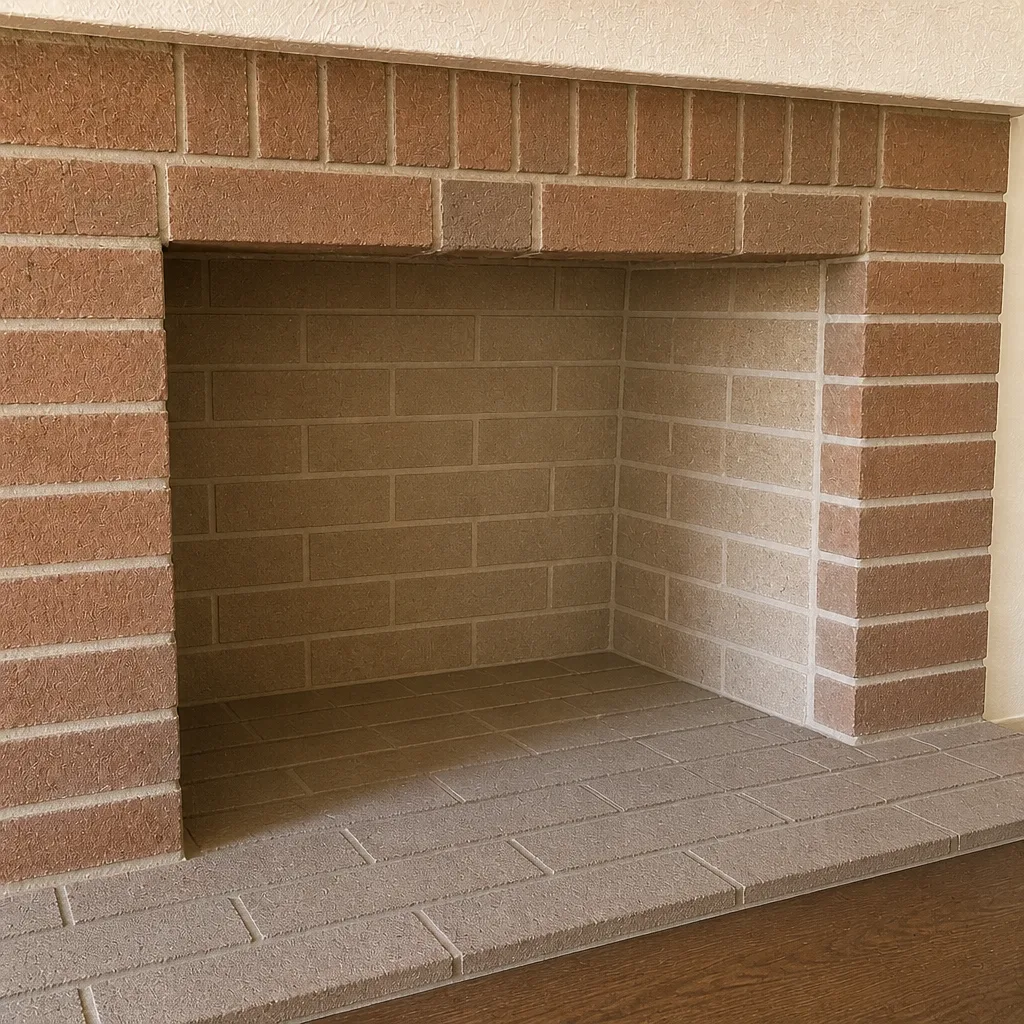
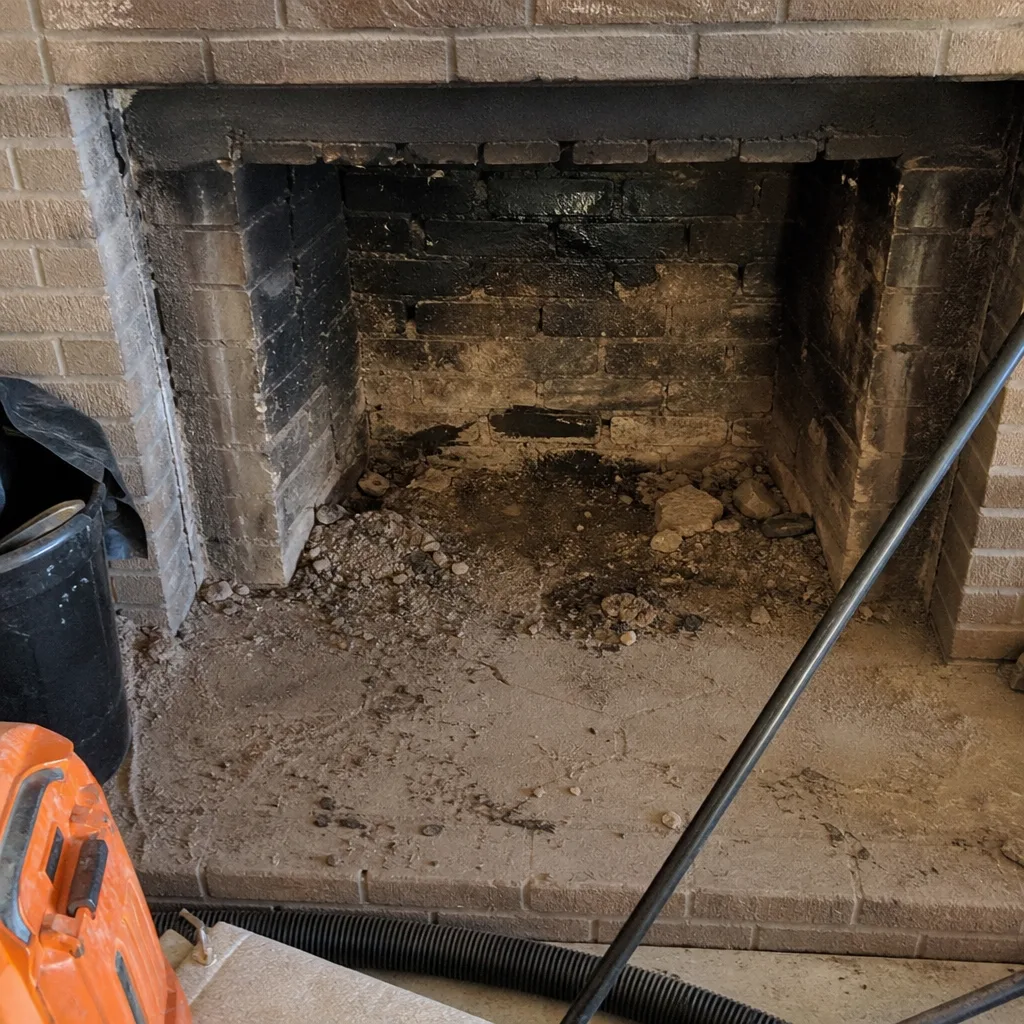
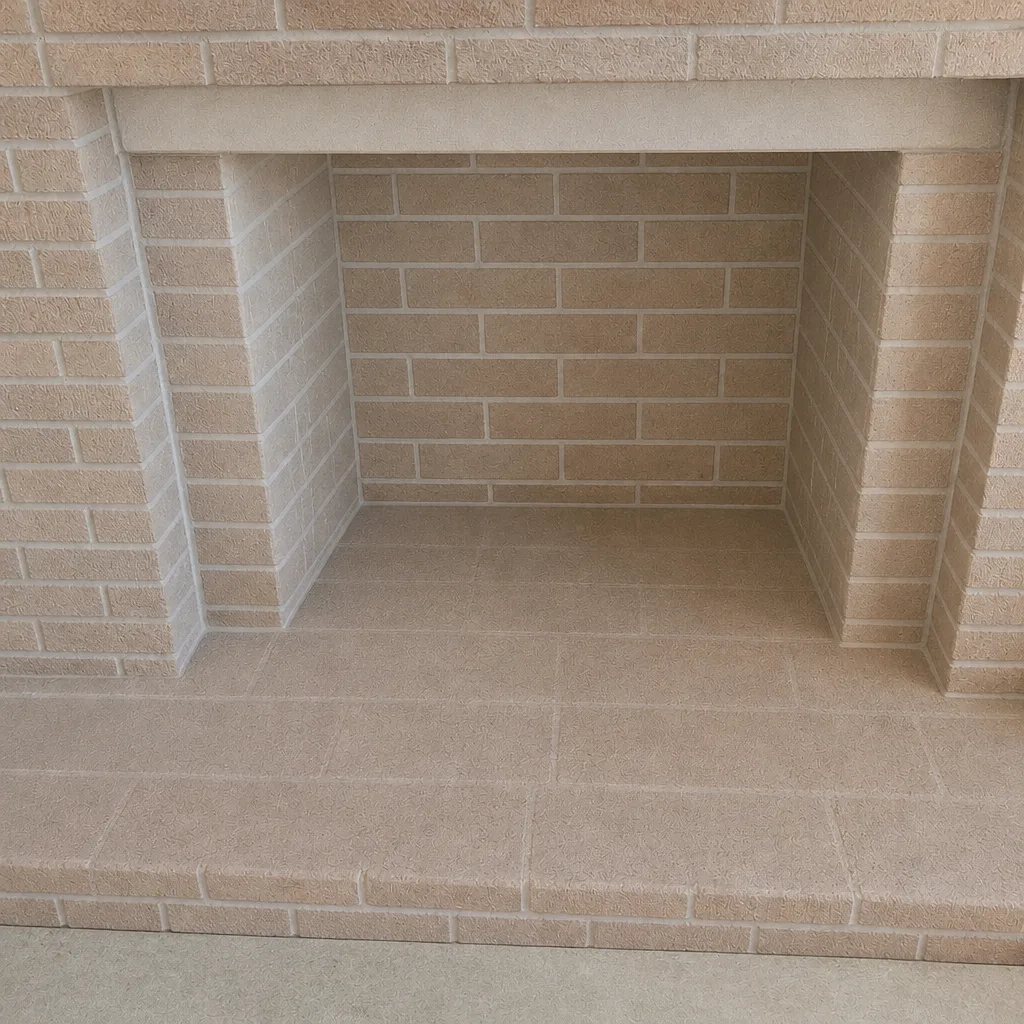
See the difference
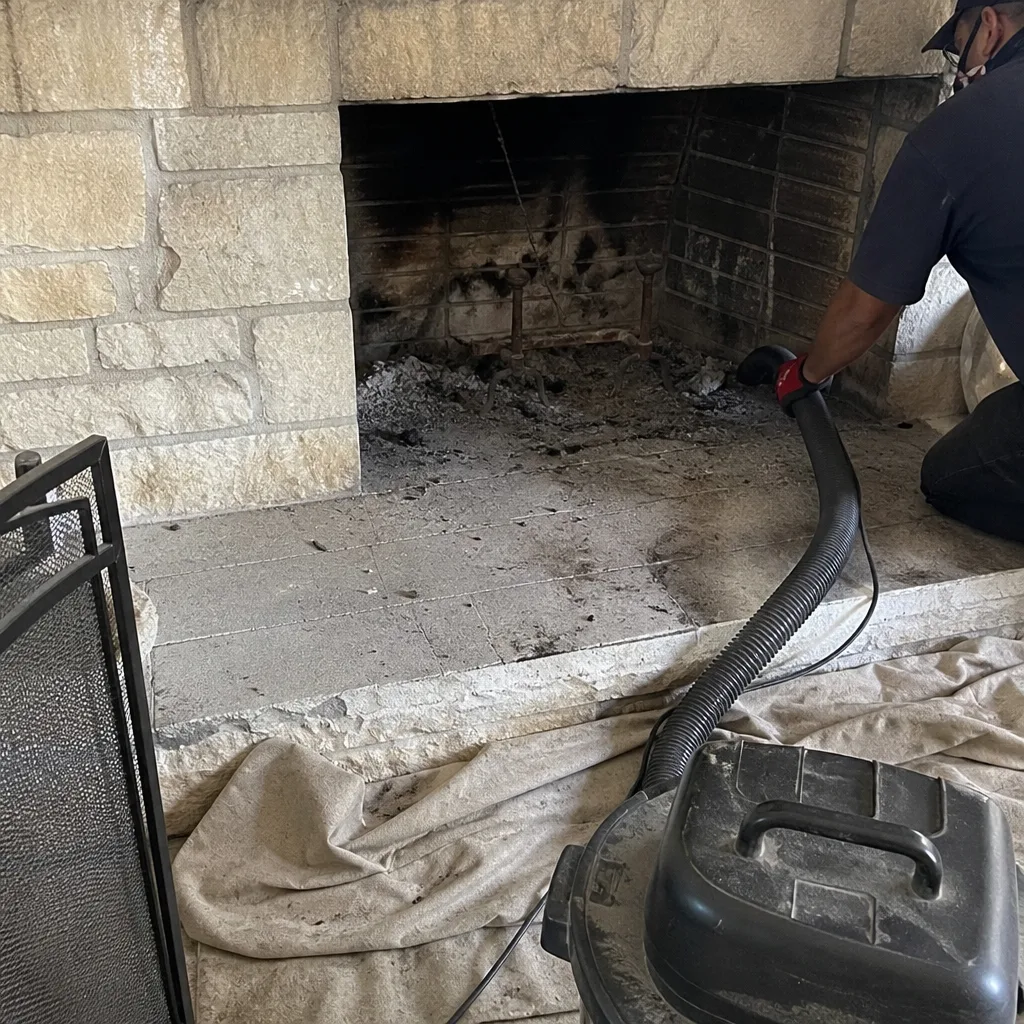 Before
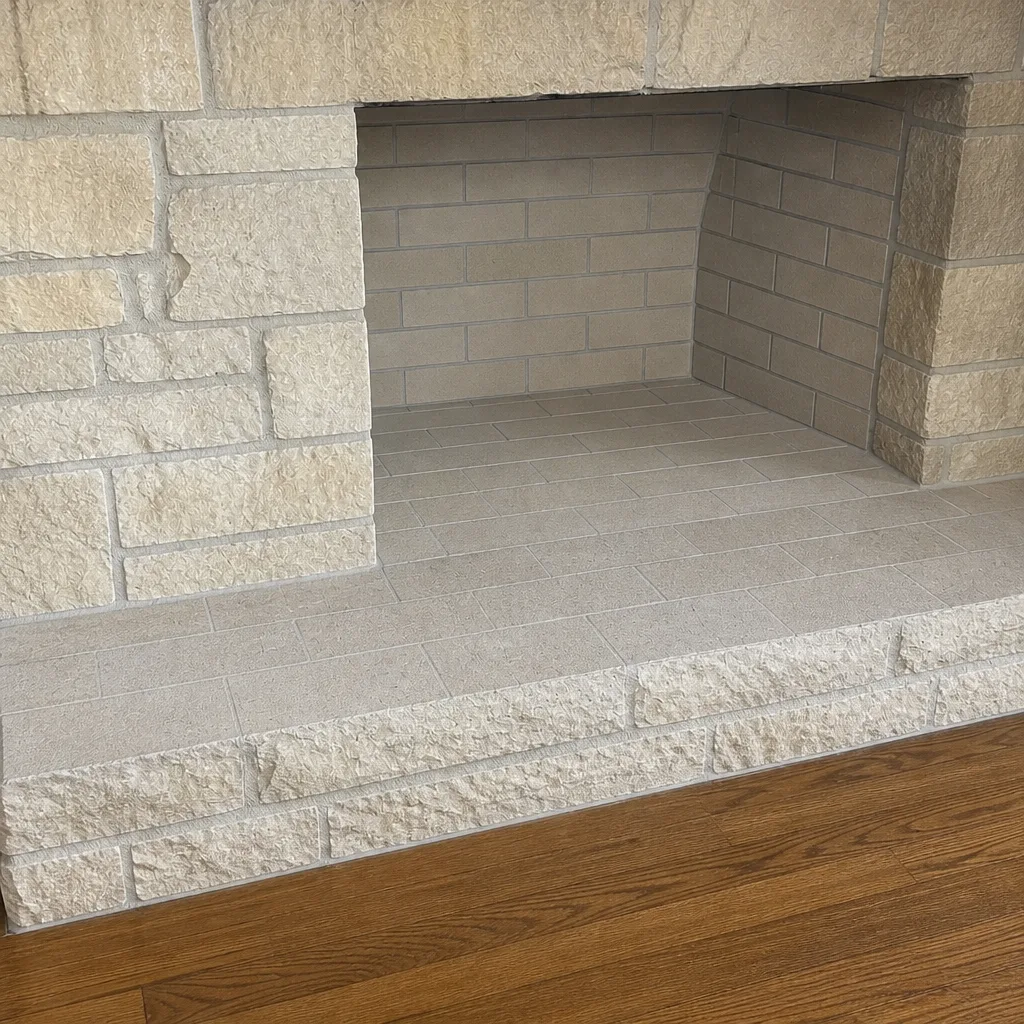 After
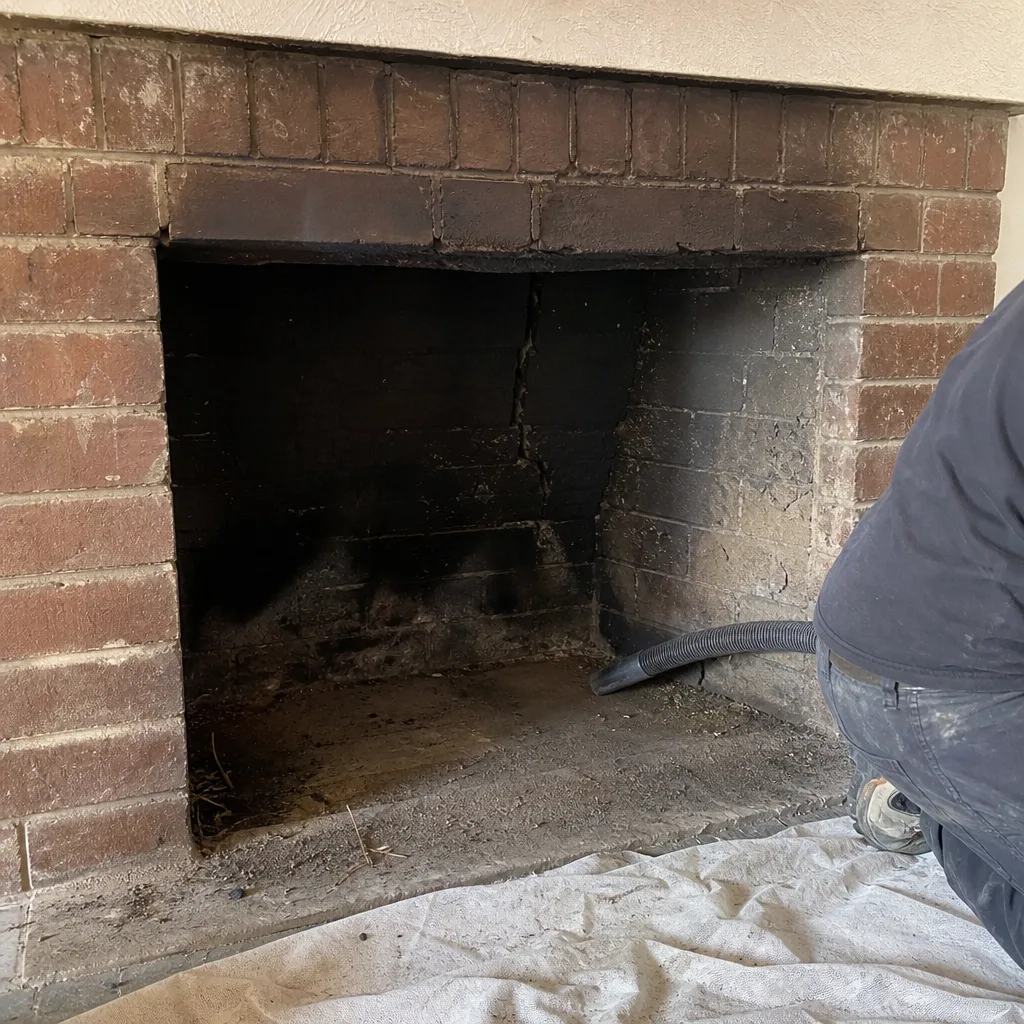 Before
 After
 Before
 After
When to Call a Professional
Call a professional if any of these are true: your fireplace smokes back into the room with the damper fully open; you smell creosote in summer or on mild days; you see white or brown staining on the exterior chimney in a clear pattern; the firebox bricks or mortar look cracked or crumbling; the damper won’t open fully; you’ve moved into a home with no record of a recent chimney inspection; or it’s been more than a year since the last sweep. Any one of those is enough. High-tension garage door springs have nothing on chimney fall risks and carbon monoxide exposure, and those are the two reasons not to climb up there yourself.
Chimney Sweep Edinburg offers free estimates in Edinburg. We sweep, repair, and inspect, and we can do all three in one visit. Call (833) 754-6303 for an estimate. We answer 24/7, and fast dispatch runs 7am to 7pm, Sunday through Friday.
Frequently Asked Questions
A standard sweep in the Edinburg area typically runs a few hundred dollars and includes a visual inspection with photo documentation. Larger flues, heavier creosote loads, or same-day scheduling can affect the price, and the written estimate you receive before the sweep sets the final cost. Call (833) 754-6303 for an exact quote. Estimates are free.
Only if the camera shows the liner is actually cracked, offset, or missing sections. A camera inspection with photo evidence is what tells you whether you need a liner or just a cleaning or a firebox repair. If our inspection shows the liner is intact, we tell you it’s intact. If it’s fractured, you’ll see the photo before we recommend the repair. Call (833) 754-6303 to schedule the inspection.
Once a year for any home that burns wood with any regularity, or when the creosote layer reaches about 1/8 inch. Homes that burn occasionally can wait a bit longer, but a chimney sitting unused in Edinburg’s mild climate can develop hidden moisture or pest issues. An annual sweep with a camera check catches both. Call (833) 754-6303 to book the sweep.
Creosote accumulates, draft weakens, summer smell gets stronger, and the risk of a flue fire or carbon monoxide backup rises. None of it shows up in how the fire feels until it does. The sweep is the cheapest service and prevents the most expensive repairs. Call (833) 754-6303 for an estimate.
Reverse airflow carries creosote smell down the flue in warm months, so the smell is a signal: either a heavy creosote load from last winter, an unsealed or damaged cap, or a crack in the liner that has let creosote soak into the masonry. A camera inspection tells you which. Call (833) 754-6303 to schedule one. Estimates are free.
No. Sweeping from below releases soot and creosote, and dislodging a piece of flue tile from below is a real injury risk. The one safe DIY check is a flashlight-and-mirror inspection of the smoke chamber from inside the firebox. Everything above that needs a trained professional with proper equipment. Call (833) 754-6303 when the mirror check turns up anything questionable.
The Bottom Line
Chimney problems in Edinburg almost always trace back to a small number of upstream causes: creosote buildup, water entry, liner damage, and pressure problems. Symptoms repeat, causes don’t. Learn to separate the two, and you’ll stop paying for the wrong repair. The most useful tools you have are the ones that make causes visible: a camera inspection, a photo report, and a technician who’s trained on the specific products a masonry flue requires. From the first sweep to the final inspection, we handle all three services in one place, so you never have to coordinate. Whether you’re in Indian Hills or elsewhere in the area, the process is the same. Our technicians have up to 8 years of experience and stock the brands the industry trusts, including DuraFlex, HeatShield, Gelco, and Olympia Chimney. See our full Chimney Sweep Edinburg services, or read more about chimney sweep and chimney repair scopes for details on what each visit includes.
Call (833) 754-6303 for a free estimate. We answer 24/7, and fast dispatch runs 7am to 7pm, Sunday through Friday. We sweep, repair, and inspect, and the written estimate sets the final price.
Written by the team at Chimney Sweep Edinburg.