
Last updated November 15, 2026
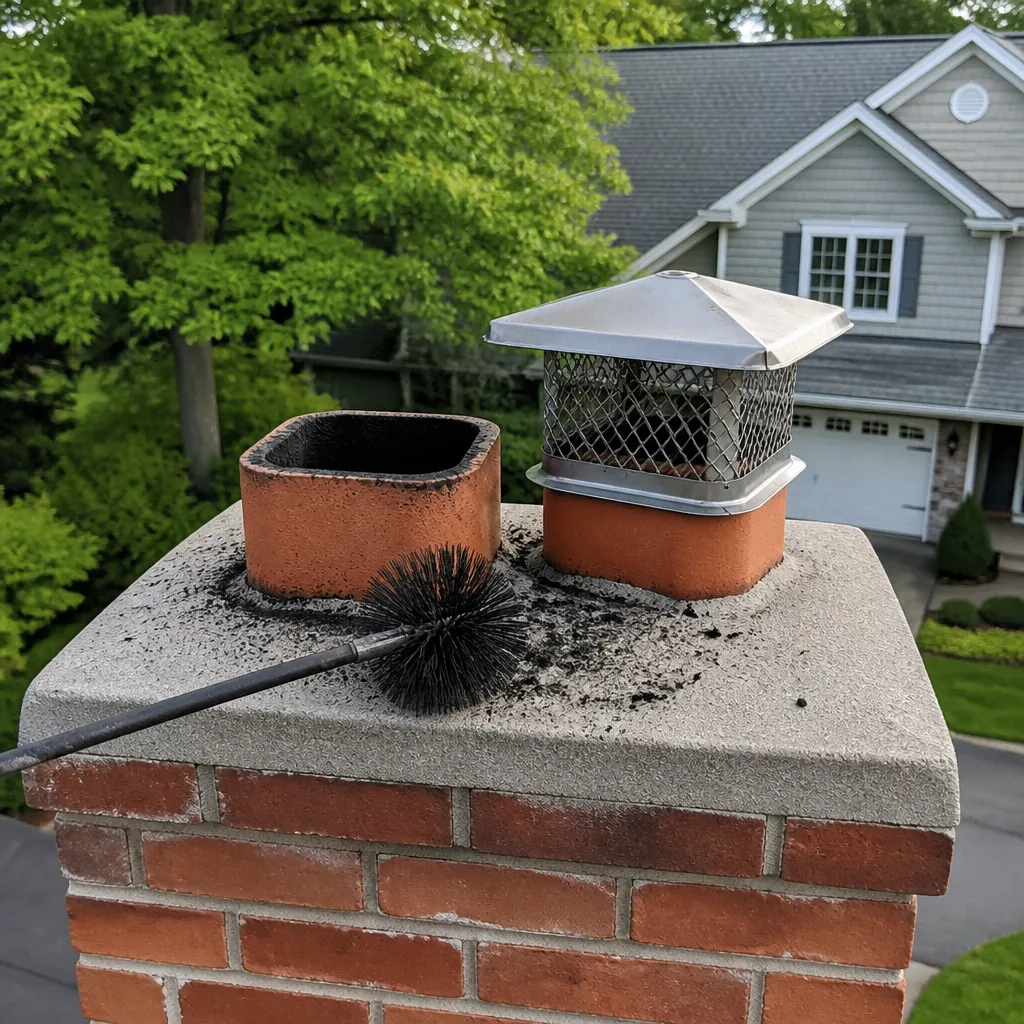 Sweep & inspection
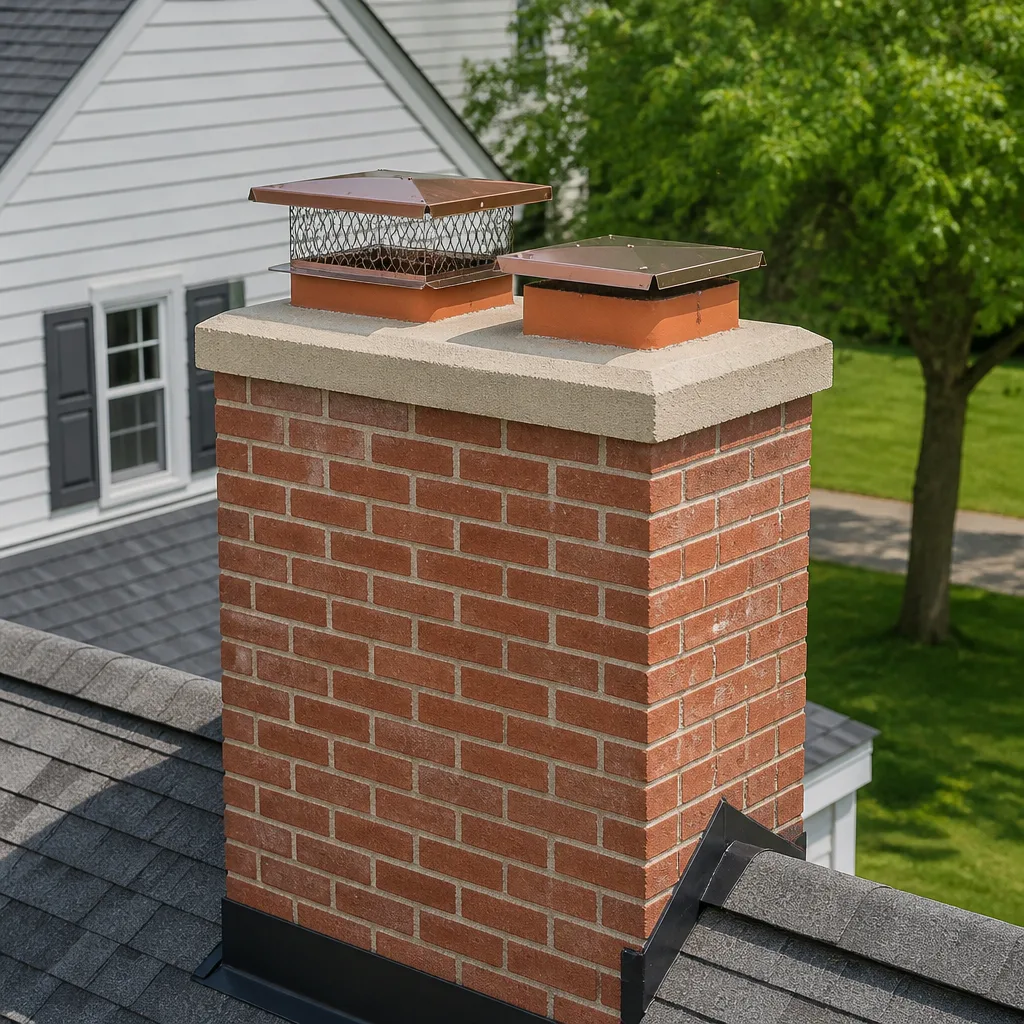 Caps & crowns
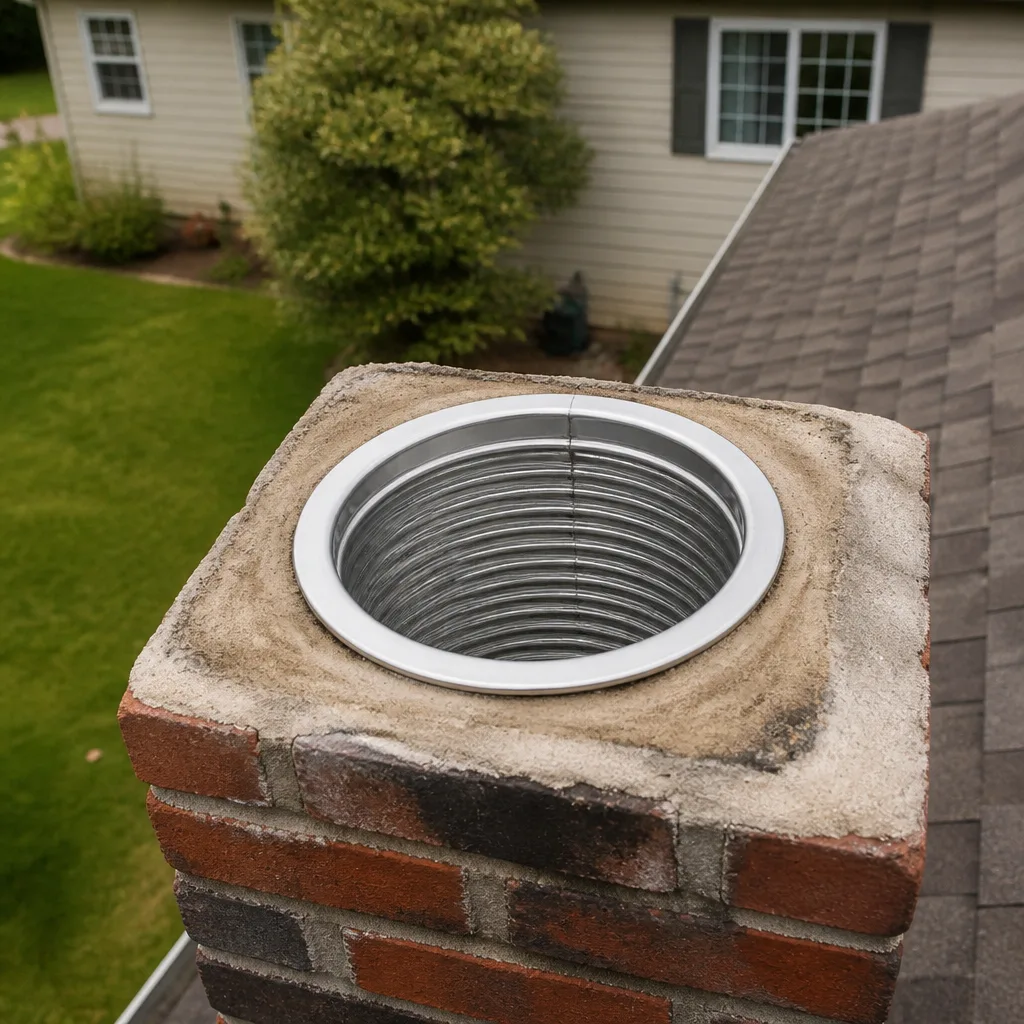 Flue relining
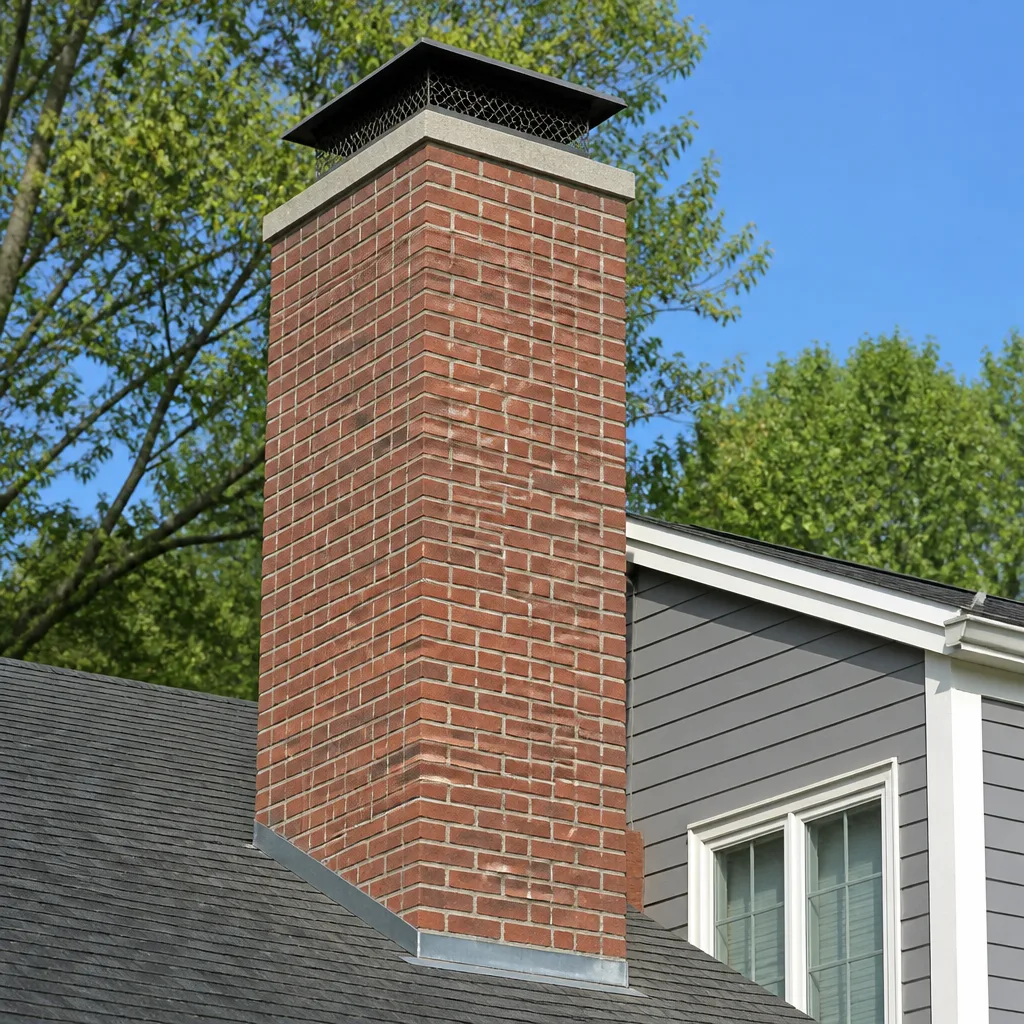 Masonry repair
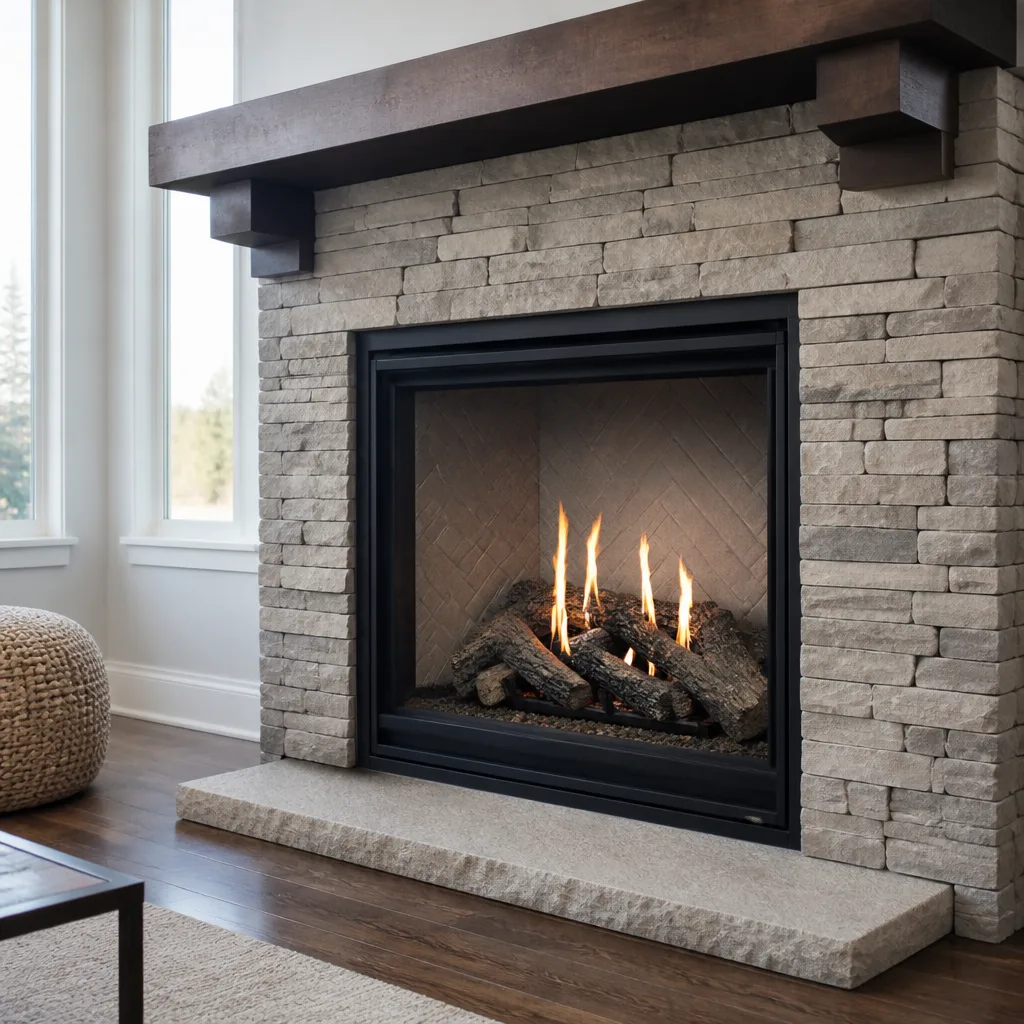 Gas fireplace service
Level 1 sweep and inspection to the NFPA 211 annual standard - flue, crown, cap, and flashing checked and photographed
Chimney sweep logs do not sweep chimneys. They loosen some creosote - which then falls where a brush and vacuum still have to collect it.
Choosing the Right Chimney Cleaning Brand: A Buyer’s Guide for Edinburg
If a contractor can’t tell you the brand name of the flexible liner system they’re installing in your chimney, that’s a meaningful data point. Certified professionals know their materials the same way a mechanic knows the difference between OEM and generic parts. The products behind a chimney job tell you more about the contractor’s standards than any sales pitch or truck decal ever will. In this guide, we explain what the major chimney product lines actually do, why the material specification matters for masonry chimneys here in Edinburg, and how to use product knowledge to vet anyone you hire for a sweep, a repair, or an inspection.
Quick Answer
The right chimney cleaning and repair brand is the one whose products are documented, professional-grade, and matched to your specific flue. For a masonry chimney in Edinburg, that usually means a DuraFlex flexible liner system for relining, HeatShield Cerfractory sealant for resurfacing cracked clay tiles, and components from professional supply channels like Copperfield. A contractor who can name these products and explain why they fit your chimney is operating differently from one who can’t.
Styles & brands we work with
- Sweep & inspection
- Caps & crowns
- Flue relining
- Masonry repair
- Gas fireplace service
Table of Contents
- Why chimney product brands matter more than contractor claims
- What DuraFlex liner systems are, and where they fit
- HeatShield: what it repairs and what it can’t
- Why sourcing from Copperfield matters
- How to ask a contractor about product lines
- Product recommendation vs. upsell
- What Edinburg chimneys actually need
- Common mistakes to avoid
- When to call a professional
Why chimney product brands matter more than contractor claims
Every contractor says their work is quality work. That claim means nothing on its own, because anyone can say it. Product brands are different: they’re a paper trail. A liner system has published specifications, a material classification, a documented performance record in real flues. When a sweep tells you they install a specific brand, you can look it up, compare it against your chimney’s dimensions and your appliance type, and hold them to it.
This is the single most useful thing to know for anyone hiring chimney cleaning in the chimney sweep market across the Rio Grande Valley. The sweeps who source from professional distributors are using materials that were spec’d for chimney work. The ones who don’t are improvising.
The product brands certified professionals actually rely on
In the chimney trade, a handful of manufacturers dominate the professional supply chain. The names that matter most for residential masonry chimneys in this region are DuraFlex, HeatShield, Copperfield, Olympia Chimney, and Famco. Each covers a different part of the system:
- DuraFlex – flexible stainless liner systems for relining existing masonry chimneys
- HeatShield – ceramic flue sealant for resurfacing deteriorated clay tile liners
- Copperfield – a professional chimney supply channel that stocks the industry’s standard product lines
- Olympia Chimney – caps, dampers, and termination components
- Famco – venting and termination products
These aren’t marketing brands. They’re the products chimney technicians are trained on, and the ones specified by industry certification programs. A contractor who works in this supply chain has access to the right material for a given flue. A contractor who sources off the retail shelf at a big-box store may end up with a liner rated for the wrong appliance, the wrong temperature range, or the wrong diameter.
What “professional-grade” actually means
A professional-grade product is one that has been designed, tested, and classified for the environment it goes into. Chimney flues get hot and corrosive. Creosote from wood smoke, acidic condensate from gas appliances, and the thermal cycling of a masonry structure all attack the liner over time. The products built for this environment have documentation. The products that don’t are usually not built for this environment. The distinction is not about price, it’s about whether the material is specified for the job.
What DuraFlex liner systems are, and where they fit
DuraFlex is a flexible stainless steel liner system. It relines an existing masonry chimney by threading a continuous, corrugated stainless flue through the old flue cavity, then connecting it at the top to a termination cap and at the bottom to the appliance or the firebox. The flexibility is the point: many older masonry chimneys have offsets, bends, or irregular flue paths that a rigid liner can’t follow. A flexible liner can.
What DuraFlex is designed for
- Existing masonry chimneys with clay tile flues that are cracked, spalled, or too large for the appliance
- Offsets and angles in older chimney construction where a rigid liner won’t pass
- Appliance upgrades where the original flue is the wrong size
- Wood-burning fireplaces, inserts, and certain gas appliances, when the correct liner grade is used
Why the material specification matters in South Texas masonry
Most older homes in Edinburg have masonry chimneys with clay tile liners, and many of them were built before modern liner documentation standards. Over years of wood burning, the clay tiles develop hairline cracks from thermal expansion and contraction. Those cracks are not always visible from the firebox, and they don’t always cause a visible problem right away. What they do cause is a gap between the hot flue gases and the combustible framing of the house. A stainless liner eliminates that gap by creating a continuous, sealed flue.
DuraFlex capability also signals something about a contractor’s range. A straightforward liner replacement on a straight flue is one thing. A retrofit through an offset, an undersized flue, or a chimney with a non-standard termination is a different job, and it needs a flexible system to complete it. A contractor equipped with DuraFlex can handle both; one who only installs rigid liners can’t. When we look at a chimney that needs structural repair as part of the liner work, we treat it as one job rather than two, which is why we handle the entire scope under our chimney repair work.
HeatShield: what it repairs and what it can’t
HeatShield is a ceramic flue sealant system, sometimes called a Cerfractory coating. It’s applied to the inside of a clay tile flue to resurface and seal cracks, gaps, and voids in the tiles themselves. It restores a damaged clay liner without requiring a full reline, in cases where the underlying structure is sound enough to support it. The product is applied with a specialized applicator that spreads the ceramic compound evenly along the flue, filling the joints between tiles and coating the faces.
What HeatShield can fix
- Hairline and moderate cracks in clay tile flue liners
- Gaps at the mortar joints between tiles
- Spalled surfaces where the clay has flaked but the tile is still structurally intact
- Flues that are too large for a liner but don’t need one
What HeatShield cannot fix
- Missing sections of tile, where the liner has broken away entirely
- Flues with offset tile that has shifted or collapsed
- Any flue where the underlying chimney structure is compromised
- A flue that needs a stainless liner for appliance conversion or resizing
How to know it’s being recommended appropriately
HeatShield is a legitimate repair option, and it’s the right answer for a specific set of flue conditions. The mistake happens when it’s used as a cheap substitute for a reline that’s actually needed. A contractor who recommends HeatShield should be able to show you the camera inspection footage that justifies it: the cracks are moderate, the tile is present, the structure is intact. If the tiles are missing or the flue is failing, HeatShield is the wrong call, and a stainless liner is the honest answer. Most general contractors don’t stock or offer HeatShield at all, so a contractor who carries it is usually a chimney specialist working within the professional supply chain.
Why sourcing from Copperfield matters
Copperfield Chimney Supply is a professional distributor, meaning it sells to the trade, not to retail walk-in customers. The distinction matters because it filters the contractors who source there. A contractor buying from Copperfield is buying from a supply channel that stocks the industry’s standard product lines for chimney work. A contractor buying from a general hardware store or an online marketplace is shopping whatever happens to be listed.
What the supply channel tells you about a contractor
- They work in the professional trade, not as an occasional side operation
- They have access to the full product line, including brand-specific components that need to match a manufacturer’s specification
- They can source the correct termination cap, adapter, or appliance connector for a specific liner system
- They understand that mismatched components fail, and they don’t mix and match
A liner installed with a DuraFlex flue and an off-brand adapter is not a DuraFlex system; it’s a hybrid that no manufacturer has tested. The professional supply channel exists so contractors can source a complete, matched system for the job. That’s a meaningful signal about how a contractor operates. Retail-shelf sourcing often means the contractor is patching something together for the lowest bid, which is exactly the kind of work that shows up as a problem a few winters later.
How to ask a contractor about product lines
You don’t have to sound like an inspector to get useful information. A few casual, direct questions about products will tell you more than an hour of conversation about “quality work.” The goal is to hear whether the contractor knows their materials, not to test them. If you happen to ask about a product they don’t use, the professional response is to explain why they use a different one, not to get defensive.
Six questions that reveal a professional
- Which flexible liner brand do you install, and why that one?
- Do you carry HeatShield, and can you show me why it fits this chimney?
- Where do you source your supplies, and do you buy from a professional distributor?
- Will I get the camera inspection footage before you recommend anything?
- If the flue has an offset, can your liner system handle it?
- What does the written estimate cover, and what’s excluded?
Answers that should give you confidence
A confident answer names the brand without hesitation. It explains the reason: the liner grade matches the appliance, the flue is sized correctly, or the flexible system is needed for an offset. A confident contractor shows you the inspection footage and points to the specific defect the product addresses. They explain what the material is designed for and what it isn’t. That kind of specificity is what separates an operator who does chimney work from one who happens to be available.
Answers that should give you pause
- “We use whatever’s available” or “we source locally”
- No brand name, or a brand that can’t be looked up
- A recommendation with no camera evidence behind it
- A pressure to decide today, before you’ve seen the footage
- A pitch that mentions a product feature they can’t explain
Product recommendation vs. upsell
A product recommendation solves a specific problem in your chimney. An upsell solves a sales target. The difference is visible in the paperwork, in the diagnosis, and in whether the contractor can tell you what the product is designed to do. On the customer side of the conversation, the honest contractor is the one who says “this doesn’t need a reline yet” almost as often as they say “this does.”
How professional-grade materials are specified
A specification is not a suggestion. It’s a decision based on the flue’s actual dimensions, the appliance’s requirements, the condition of the existing liner, and the intended use. A professional chimney contractor specifies the product after the inspection. They measure the flue, identify the appliance category, and match the product to both. They can tell you exactly why a DuraFlex liner of a specific diameter fits your chimney, or why a HeatShield resurfacing is the correct repair for the crack pattern they found. That reasoning is the difference between a specification and a sales pitch.
Three ways to spot the difference
- A specification references evidence – The contractor points to the camera footage and names the defect the product resolves.
- An upsell references urgency – The pitch leans on fear or a discount that disappears if you don’t sign today. We don’t work that way, and no product brand should be sold that way.
- A specification has a defined scope – The estimate lists exactly what’s being installed, what brand, what size, and what’s excluded. An upsell lists a package with vague inclusions.
What Edinburg chimneys actually need
Edinburg’s housing stock includes a lot of masonry chimneys built over the last several decades, plus a newer wave of homes with manufactured fireplaces and inserts. The two categories need different products. Older masonry chimneys usually have clay tile flues, and those are the candidates for HeatShield resurfacing, DuraFlex relining, or both. Newer factory-built fireplaces have their own listed venting systems, which need to match the appliance manufacturer’s specification. That’s why Famco and Olympia Chimney components show up on our work alongside DuraFlex.
Winter here is mild, which changes the pattern of use, not the need for maintenance. A fireplace that gets used heavily for a few months and then sits idle can accumulate creosote just as fast as one that runs all season. The inspection is what tells you which category you’re in. Our technicians have up to 8 years of experience and handle the full sweep-repair-inspection cycle, so if the inspection turns up a defect, the fix doesn’t wait on a second contractor.
Edinburg homeowners also tend to ask us about the same thing at the same time: they’re either preparing a home for sale, or they’ve inherited a chimney from a previous owner and don’t know what work was done. Both situations argue for a camera inspection before any product is recommended. If you’re in Indian Hills or anywhere else in the area and want the chimney looked at by a specialist, that’s the starting point.
Common Mistakes to Avoid
- Hiring a general handyman for chimney work. Chimneys are a single-trade specialty, and a general contractor who “also does chimneys” usually doesn’t carry the products, the cameras, or the training. It’s the most common cause of a repair that needs to be redone.
- Accepting a recommendation without seeing the inspection footage. If the contractor can’t show you the defect, you can’t verify the fix is necessary. A camera inspection is the standard of care, not an add-on.
- Letting HeatShield be used where a liner is needed. Resurfacing is the right answer for moderate tile cracks. It’s the wrong answer for missing tiles or a compromised structure, and it can’t substitute for a proper reline.
- Buying a liner by price alone. A generic liner from a retail shelf may not carry the classification your appliance requires. The material spec is what makes the system safe; the price is downstream of that.
- Mixing brands across a liner system. A liner is tested as a complete assembly, with matched components. An off-brand adapter or cap can void the system’s integrity. Insist on a single matched product line.
- Skipping the sweep before the repair. You can’t evaluate a flue you haven’t cleaned. Every inspection should follow a sweep, and every repair should follow an inspection.
- Waiting until the burning season to schedule. Most chimney work gets booked in the weeks before the first cold snap. If you’re preparing for sale or want the inspection before you light the first fire, schedule ahead of the rush.
When to Call a Professional
Call a professional chimney specialist when any of the following applies. First, if it’s been more than a year since the last sweep, or you can’t remember when the chimney was last serviced. Second, if you notice a strong odor from the firebox between fires, visible creosote buildup on the damper or firebox walls, or smoke backing into the room when you burn. Third, if you’re buying or selling a home in Edinburg and need a credible inspection report before closing. Fourth, if a prior contractor recommended liner or masonry work and you want a second opinion with camera evidence. Fifth, if your appliance has been upgraded and the existing flue has never been re-evaluated.
Chimney Sweep Edinburg offers free estimates in Edinburg. Call (833) 754-6303. We answer 24/7. Fast dispatch from 7am to 7pm, Sunday through Friday. Nothing is recommended without camera evidence you can see for yourself, and we’ll tell you plainly when work can safely wait. Our estimates are written, and the price is set per job by that estimate.
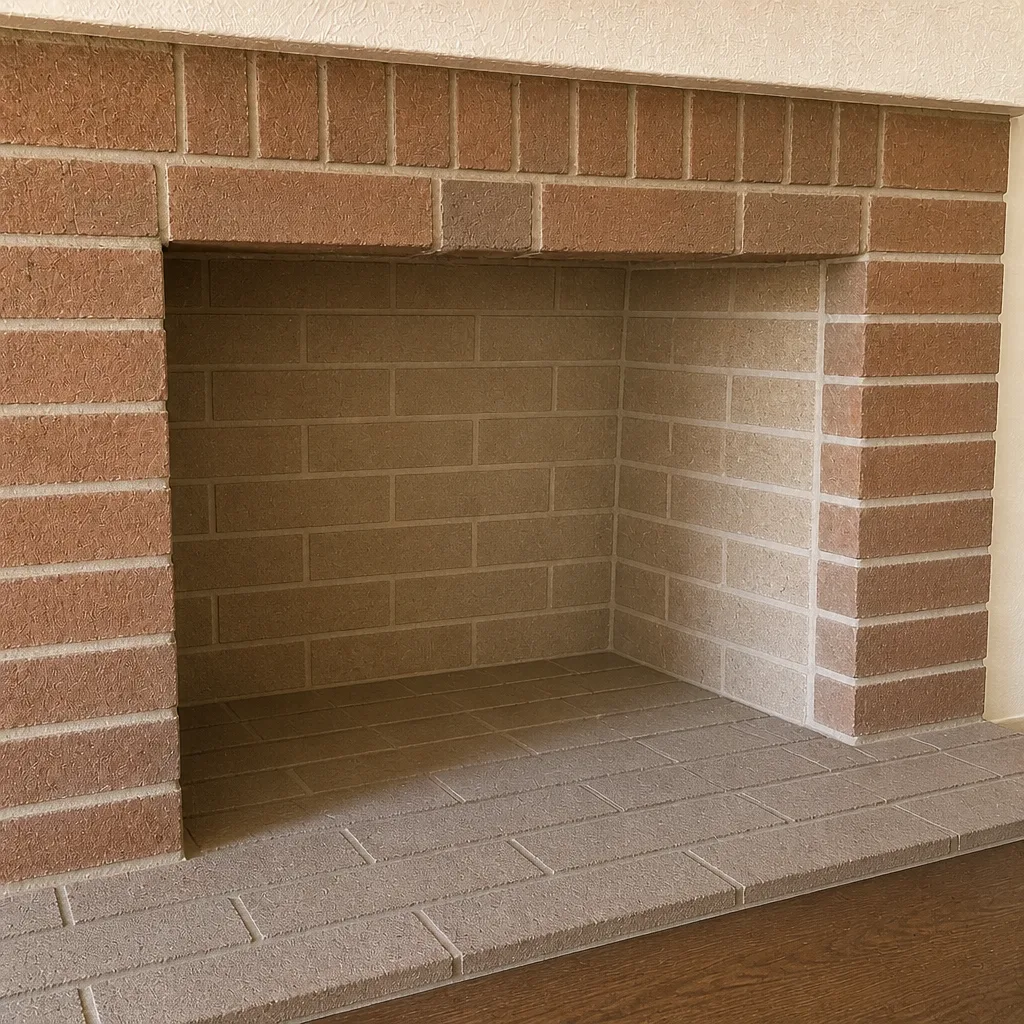
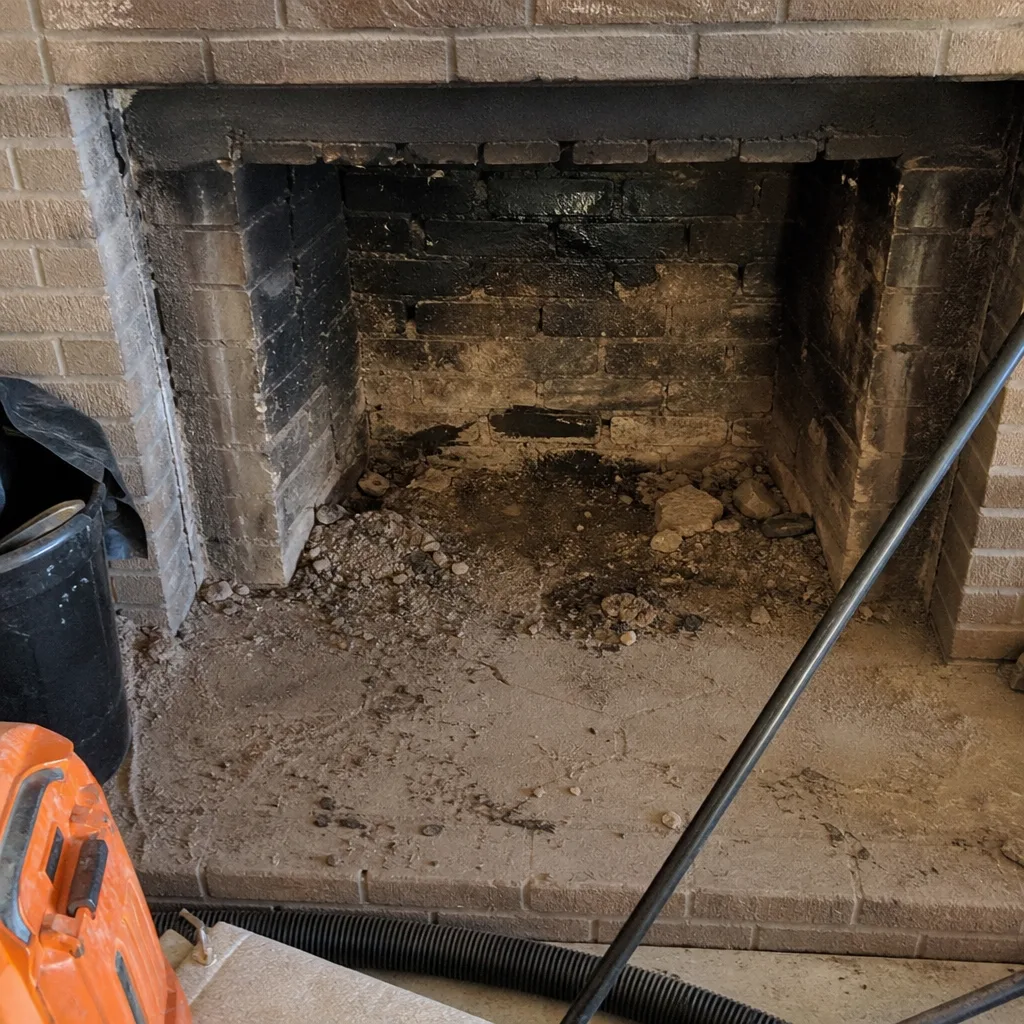
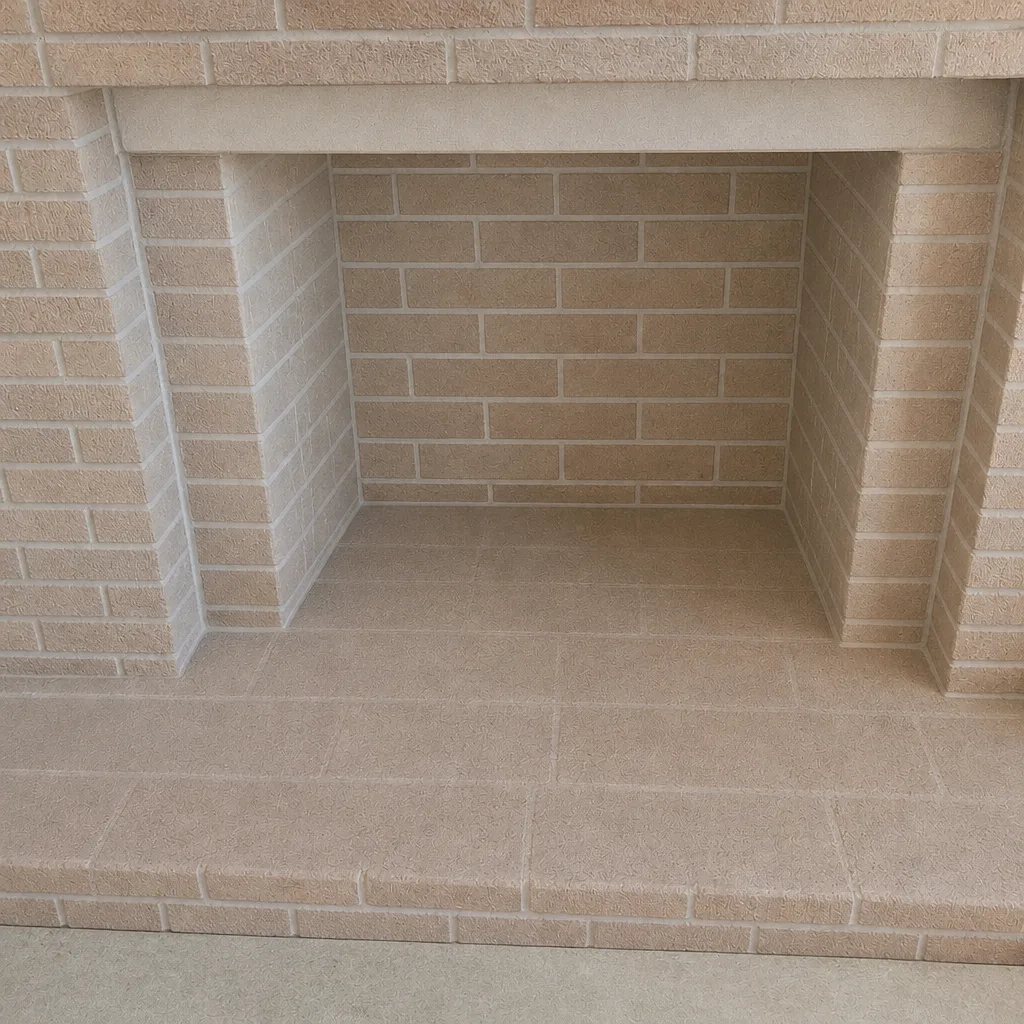
See the difference
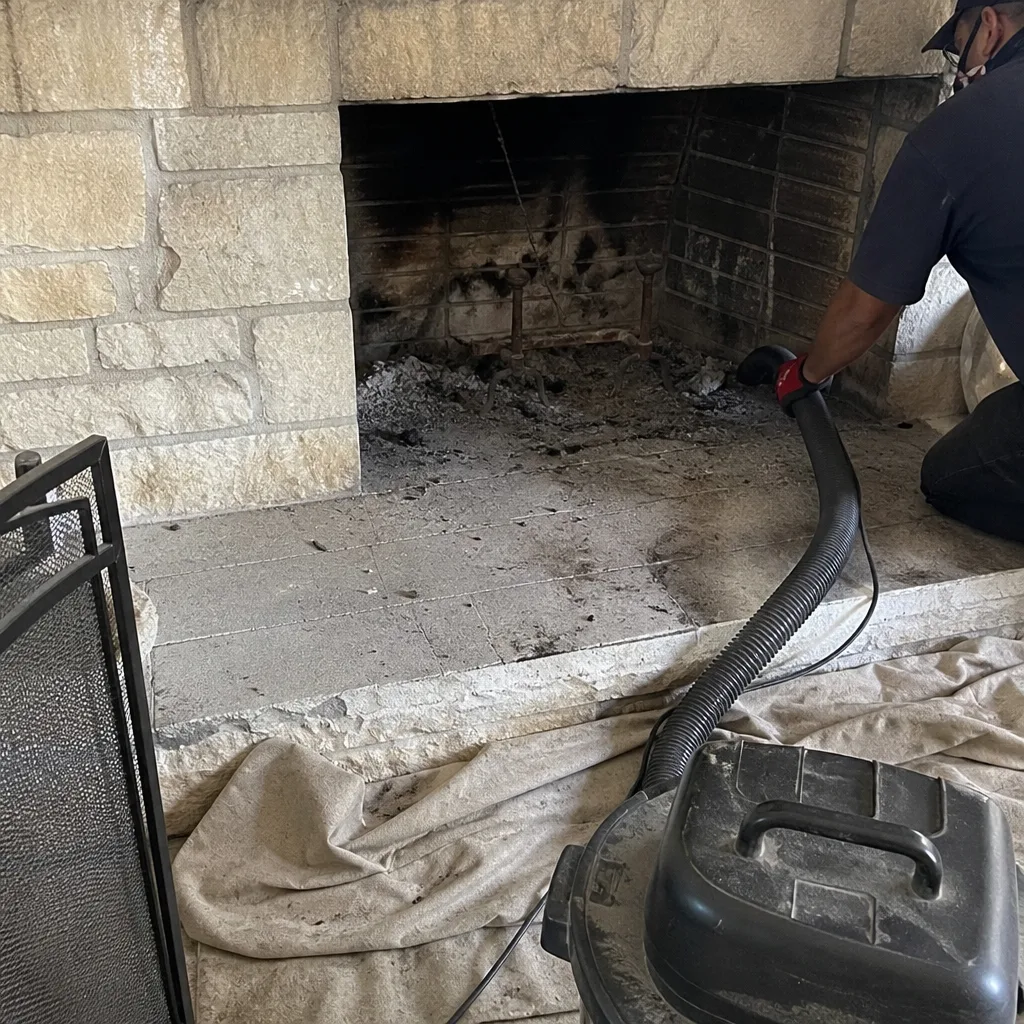 Before
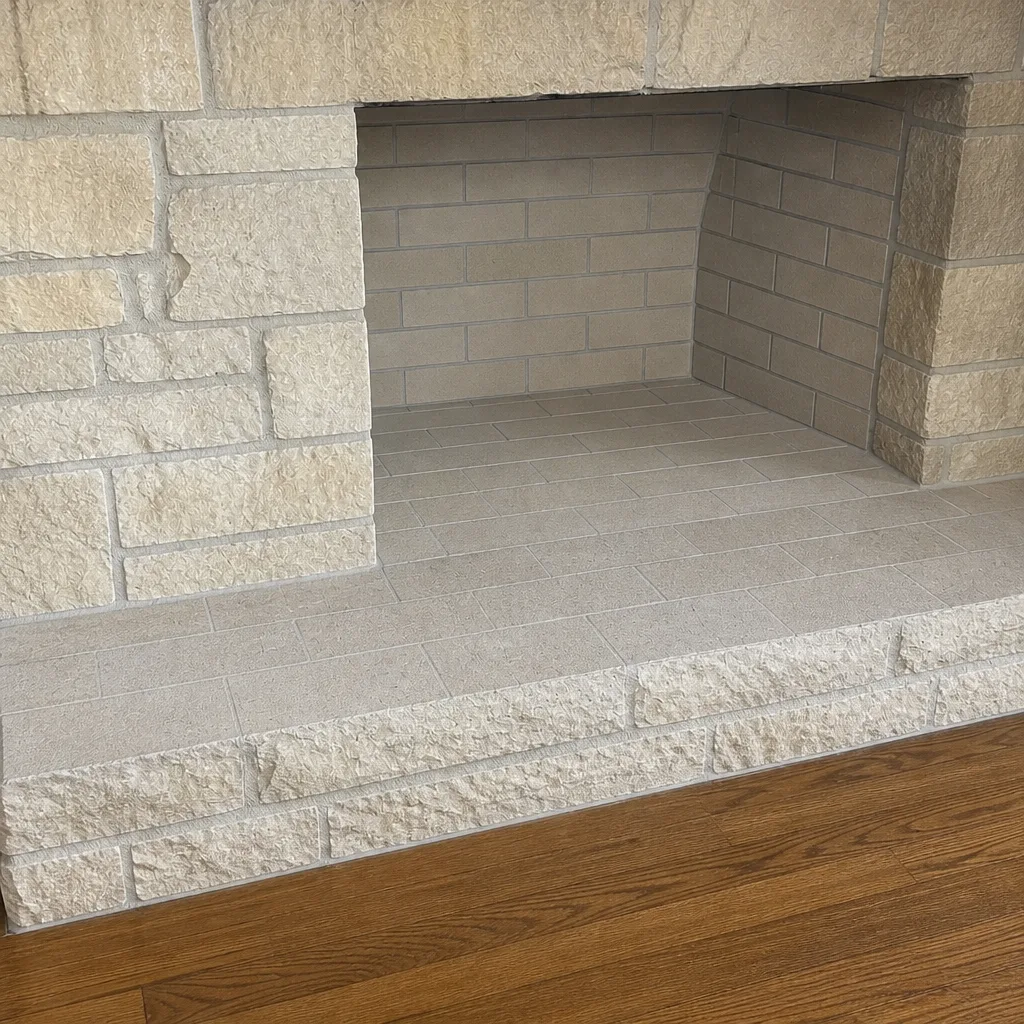 After
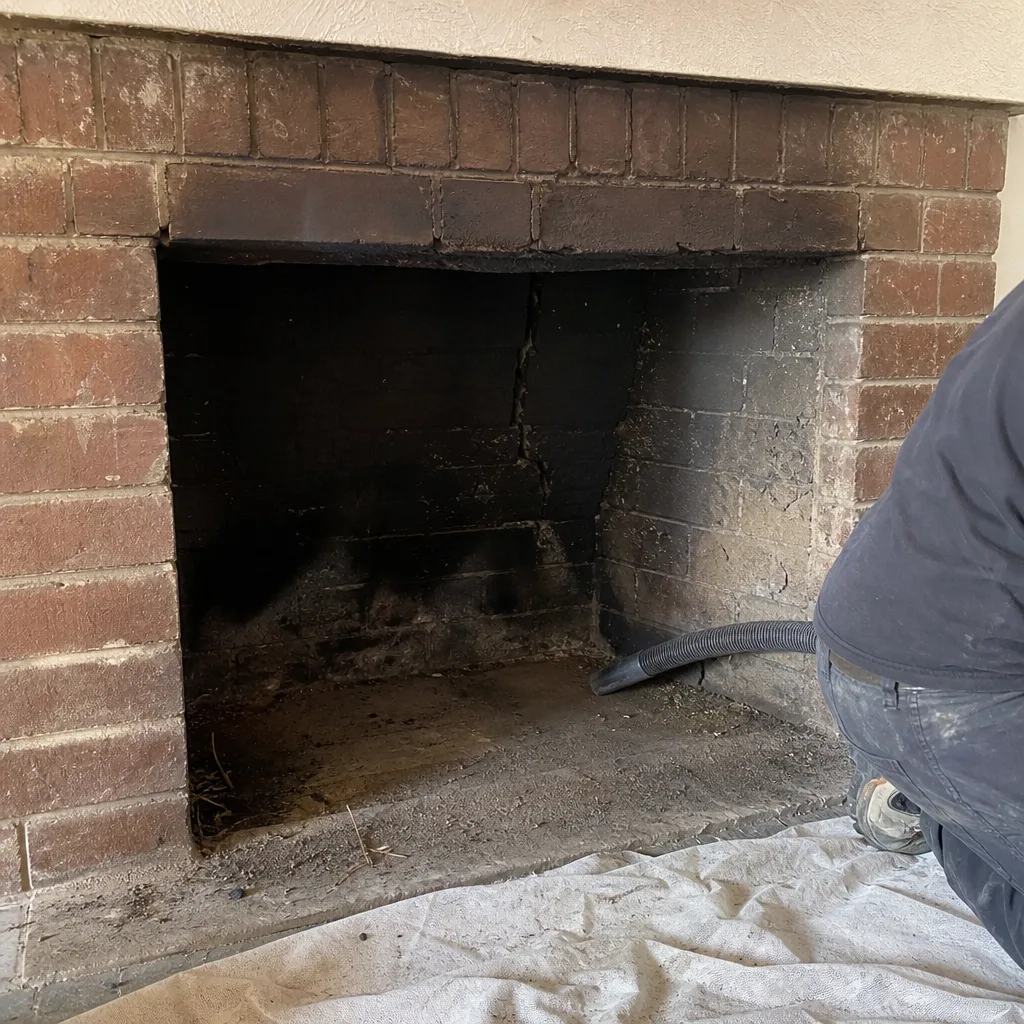 Before
 After
 Before
 After
Frequently Asked Questions
A chimney specialist in Edinburg should be able to name the professional brands they work with: DuraFlex for flexible liner systems, HeatShield for ceramic flue resurfacing, and Copperfield as a professional supply channel, along with component brands like Olympia Chimney and Famco. If the contractor can’t name a brand, that’s a signal to keep asking questions. Call (833) 754-6303 to talk through what your chimney needs.
HeatShield is the right repair when the clay tiles are cracked or the joints are gapped but the tile is still structurally intact; it is the wrong repair when tiles are missing or the structure is compromised. The deciding factor is the camera inspection, not the price of the product. We show you the footage before recommending either. Call (833) 754-6303 for a free estimate.
A contractor who sources from a professional distributor like Copperfield has access to the full, matched product line and the correct components for a given system. A contractor sourcing retail may assemble a hybrid that no manufacturer has tested. The supply channel is one of the clearest signals of how a chimney contractor operates. Call (833) 754-6303 with questions about your specific chimney.
Creosote builds up inside the flue with every fire, and at higher accumulation it becomes a genuine fire hazard; a blocked or deteriorated flue also raises the risk of combustion gases entering the home. Neither outcome is immediate, which is exactly why annual sweeps matter. The inspection that comes with the sweep catches liner damage before it becomes a structural repair. Call (833) 754-6303 to book a sweep and inspection.
It often is, because older masonry flues frequently have offsets or irregular paths that a rigid liner can’t follow, and flexible stainless systems are designed for exactly that. Whether it’s the right call for your chimney depends on the flue dimensions, the appliance, and the condition of the existing tile. An inspection determines it. Call (833) 754-6303 for a free estimate.
An honest recommendation comes with camera evidence, a specific defect it addresses, and a defined scope on a written estimate. An upsell leans on urgency or a disappearing discount and keeps the details vague. Ask to see the footage and ask the contractor to explain why that product, for that flue. Call (833) 754-6303 for a straightforward second opinion.
The Bottom Line
The chimney product brands a contractor uses are one of the most reliable signals of whether their work will hold up. DuraFlex liner systems, HeatShield resurfacing, and Copperfield sourcing are not marketing claims; they’re documented, professionally specified materials that a serious chimney contractor builds a job around. When you’re comparing contractors in Edinburg, ask about their product lines, ask to see the camera footage, and watch whether they can explain why a specific product fits your specific flue. That’s the test that matters. For chimney work in Edinburg with the right material specified for your flue, Chimney Sweep Edinburg is the single point of contact for the full service cycle. Call (833) 754-6303. We answer 24/7. Fast dispatch from 7am to 7pm, Sunday through Friday.
Written by the team at Chimney Sweep Edinburg.