
Last updated November 15, 2026
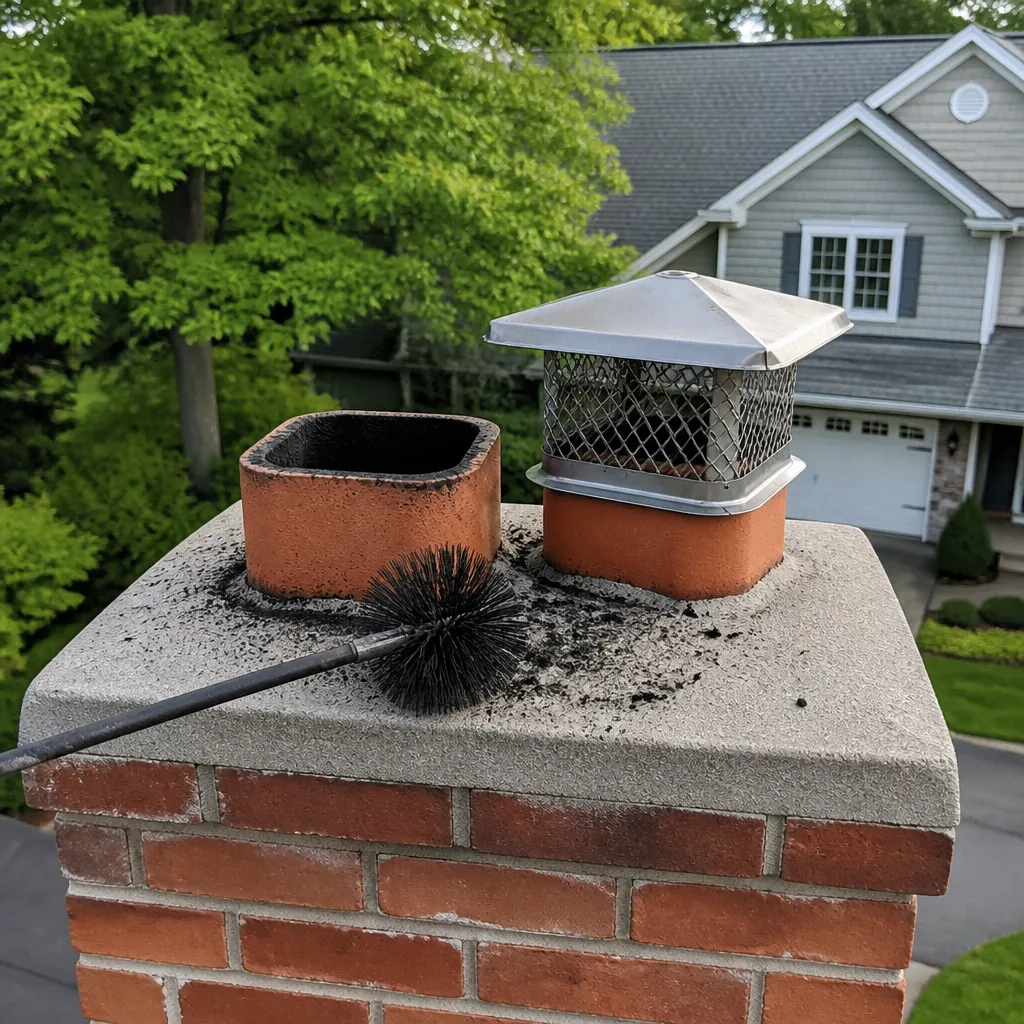 Sweep & inspection
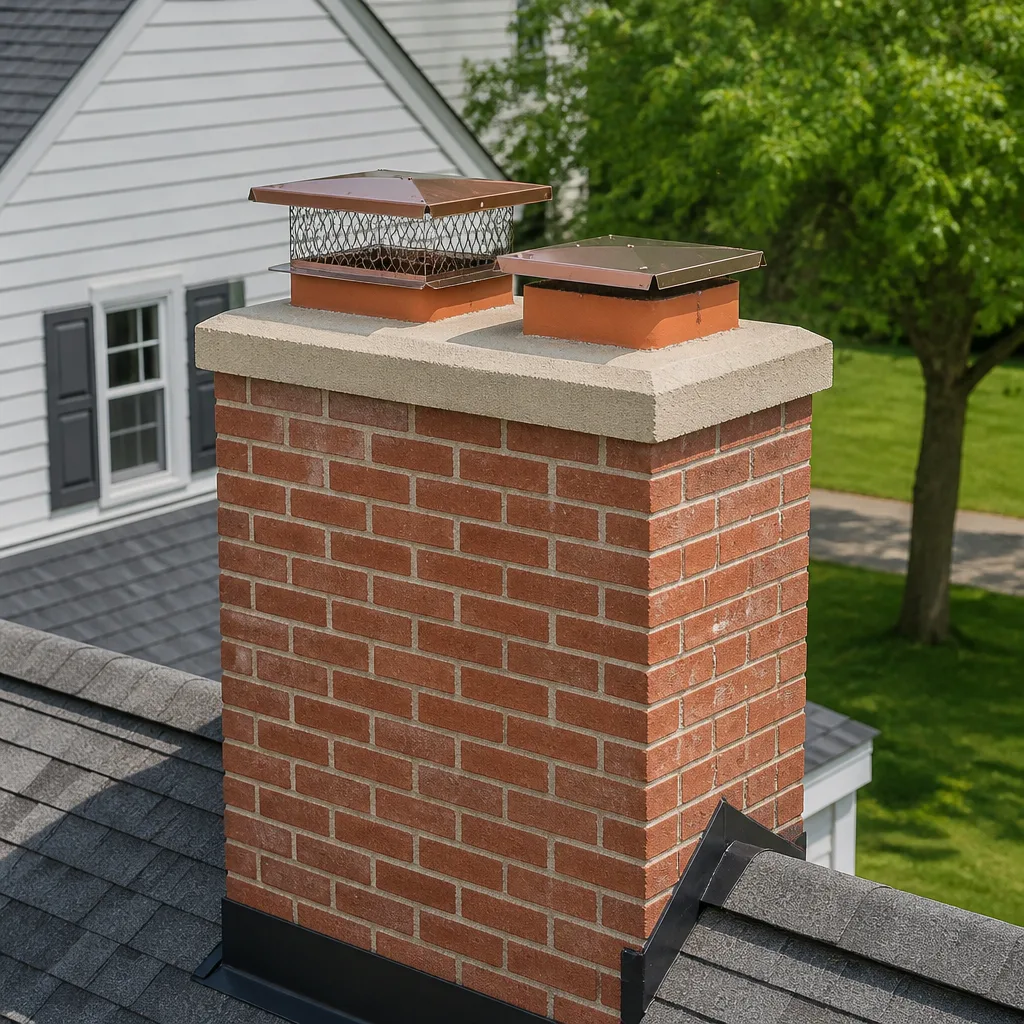 Caps & crowns
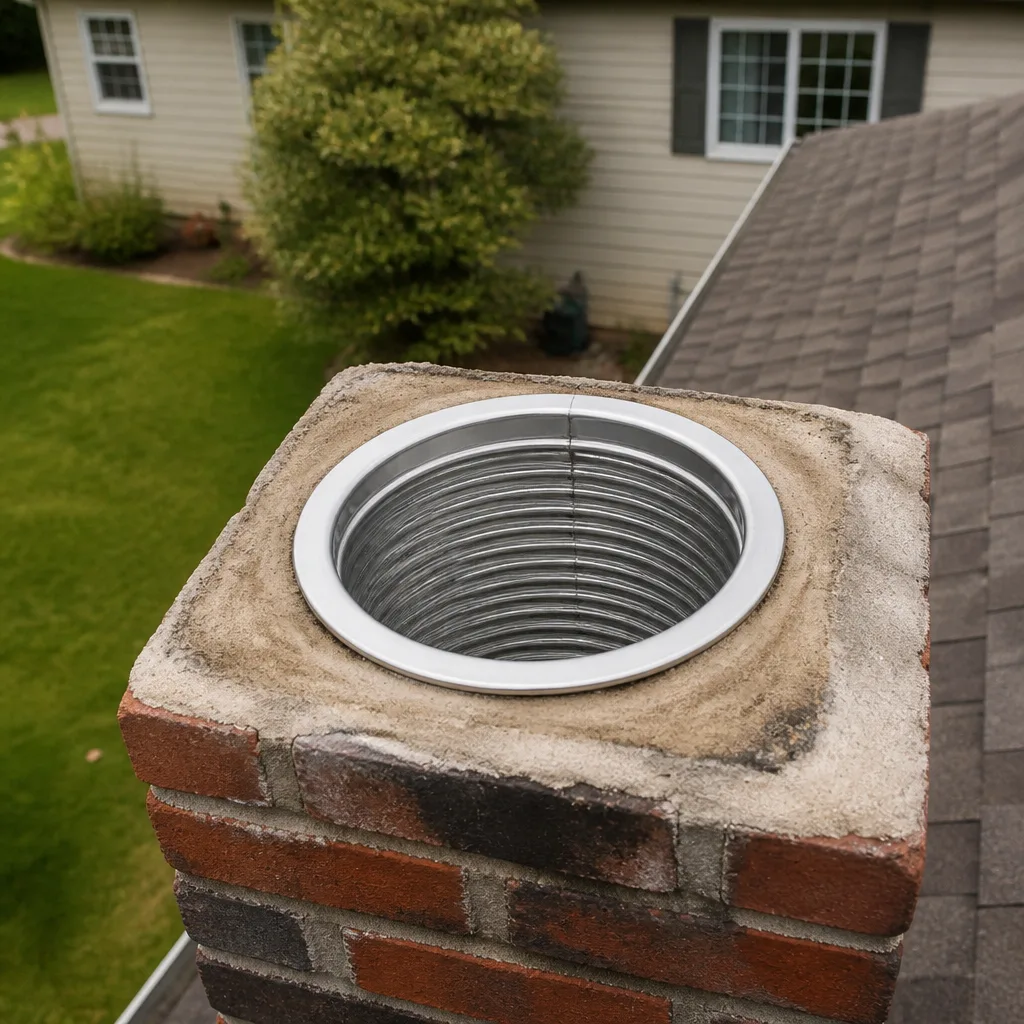 Flue relining
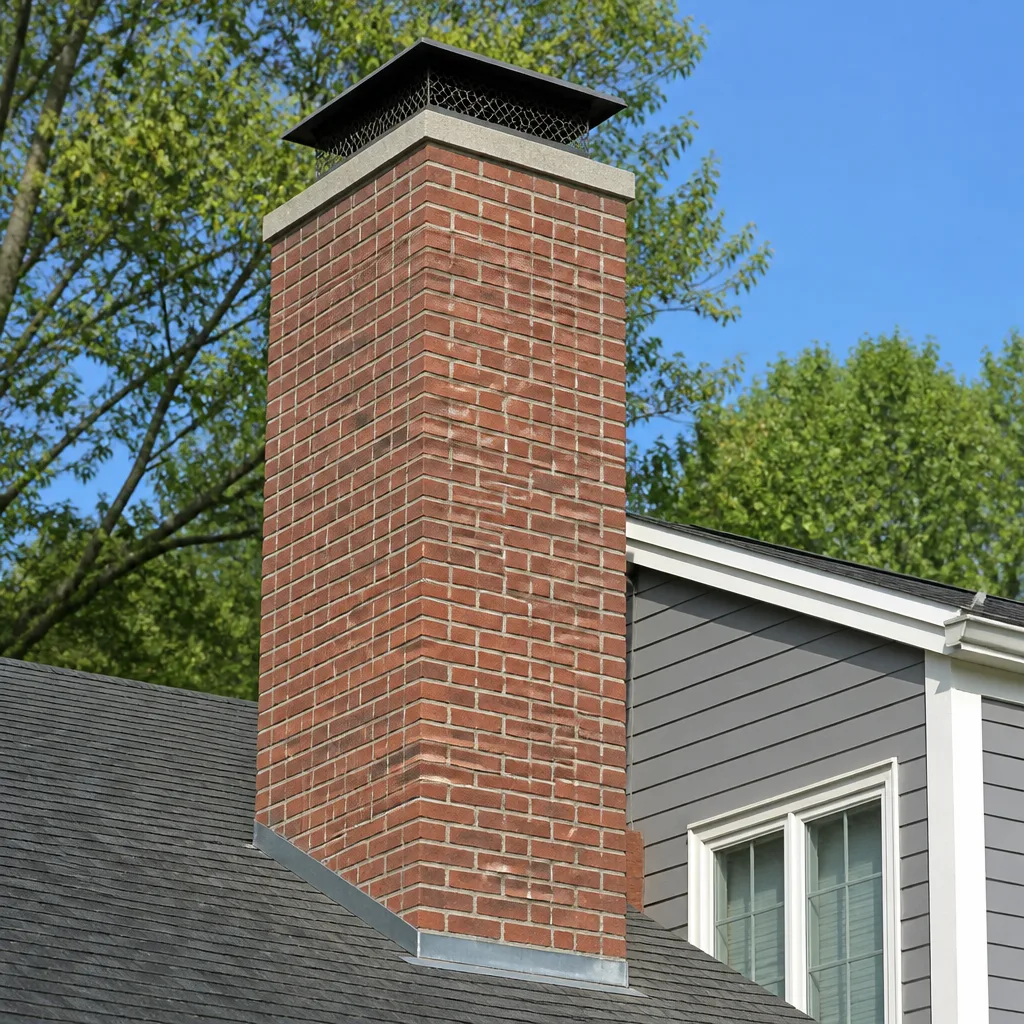 Masonry repair
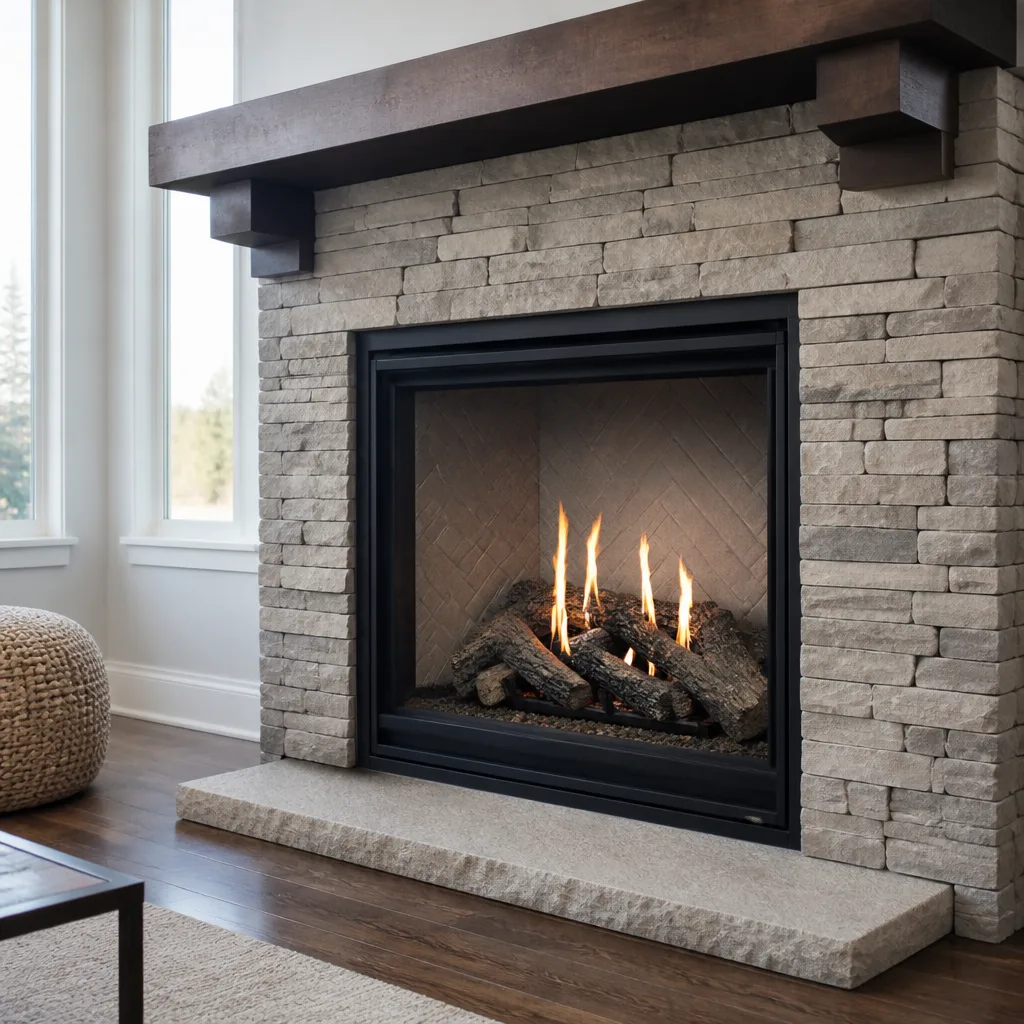 Gas fireplace service
Level 1 sweep and inspection to the NFPA 211 annual standard - flue, crown, cap, and flashing checked and photographed
Chimney sweep logs do not sweep chimneys. They loosen some creosote - which then falls where a brush and vacuum still have to collect it.
Chimney Sweep Maintenance Schedule: What to Do and When
NFPA 211 says inspect annually. That’s the standard, and it’s a good one. But it was written to cover everything from a wood-burning fireplace used nightly all winter to a gas insert lit twice a year, and everything in between. Your schedule should look nothing like your neighbor’s. In our experience across Edinburg, the homes with the cleanest flues and the fewest repair bills aren’t the ones swept on the same month every year; they’re the ones matched to their actual fuel, burn rate, and chimney construction. This guide gives you that timeline, plus the pre-season, mid-season, and post-season checklists most homeowners mix up.
Quick Answer
There is no single chimney maintenance calendar that fits every home. A wood-burning fireplace used a few times a week needs sweeping based on creosote buildup, typically every 30 to 50 fires or yearly, while a gas insert may only need inspection every year or two. NFPA 211 sets the floor at an annual inspection; your fuel type, usage, and flue construction set the actual schedule above that floor.
Styles & brands we work with
- Sweep & inspection
- Caps & crowns
- Flue relining
- Masonry repair
- Gas fireplace service
Table of Contents
- The Usage-Based Inspection Matrix
- How Gas, Wood, and Pellet Change the Calculation
- Pre-Season, Mid-Season, and Post-Season: Why Mixing Them Up Creates Gaps
- Why Late Summer Is the Worst Time to Defer Cap and Crown Work in Edinburg
- DuraFlex Liners vs. Clay Tile: Different Intervals, Different Checks
- The Year-by-Year Log That Saves You at Home Sale
- Scheduling a Sweep in Edinburg: What Actually Happens
The Usage-Based Inspection Matrix
Generic advice says “sweep once a year.” That’s a starting point, not a plan. What actually drives creosote accumulation and glaze formation is how much fuel you burn and how hot your fires run. Here’s how we think about intervals based on use. Our technicians have up to 8 years of experience and have seen all three tiers.
Light use: under 10 cords per year. A fireplace used for ambiance on cool evenings, a handful of fires a week in winter. Inspect once per year, and sweep when the technician finds a quarter-inch or more of creosote. For many Edinburg homeowners with gas starters or occasional wood fires, that means a sweep every second or third season, not every year.
Moderate use: 10 to 30 cords per year. A daily-burn household through winter, cooking fireplace, or a wood stove carrying real heat load. Inspect twice per year (once pre-season, once mid-season) and sweep as creosote accumulates. The quarter-inch rule still applies, but it comes faster. Expect a sweep every year unless your wood is well-seasoned and your fires run hot.
Heavy use: over 30 cords per year. Continuous burning, a wood stove used as primary heat, or an insert run hard through winter. Inspect at the start of the burning season and again mid-season. Sweep when the technician measures a quarter inch or when glaze appears on the flue wall, whichever comes first. In a hard-working flue that can mean twice a season.
Usage is only one variable. Fuel type reshapes the whole matrix, as the next section explains.
How Gas, Wood, and Pellet Change the Calculation
Homeowners tend to treat all fireplaces the same. They aren’t. Here’s how each fuel type shifts your maintenance calendar.
Wood. The classic case. Creosote comes from incompletely burned wood, and the variables that matter are moisture content, burn temperature, and airflow. Wet wood and cool fires make more creosote. That’s why we tell Edinburg homeowners to buy wood early and let it season, and why a flue that seems fine can still be loaded up after one wet-wood winter. Wood is the fuel that most often drives a shorter interval than the owner expected.
Gas. No creosote, so the annual sweep isn’t the point. The annual inspection still matters: the technician is checking for corrosion on the vent, blockages from birds or debris, and the condition of the draft hood and termination. Gas logs and inserts also need the burner checked for sooting or delayed ignition. In our experience, a well-maintained gas fireplace can safely go longer between visits, but annual inspection is still the baseline the standards set.
Pellet. Pellet stoves produce ash and small amounts of creosote, but their real failure mode is ash clogging the vent. The firebox itself often needs cleaning more often than the vent, and the vent needs inspection at least yearly. We treat pellet systems as a hybrid: frequent owner-side ash removal, technician inspection yearly.
Whatever fuel you burn, the pattern holds: match the calendar to what’s actually going into the flue, not to a month on a wall chart.
Pre-Season, Mid-Season, and Post-Season: Why Mixing Them Up Creates Gaps
The biggest scheduling mistake we see isn’t forgetting to book in Edinburg. It’s doing the wrong task at the wrong time. Each of the three maintenance windows covers a different part of the system, and mixing them up leaves real gaps.
Pre-season checklist (before first fire)
- Book a professional inspection and sweep. This is the visit that catches creosote before you burn again.
- Have the technician check the cap, crown, and flashing for cracks or looseness before the first storm of fall.
- Confirm the damper opens, closes, and seals fully.
- Check that the firebox and flue aren’t blocked by nests, leaves, or a dislodged liner section.
- Verify the chimney cap screen is intact.
- Test carbon monoxide and smoke detectors in the home.
Mid-season visual check (small, owner-side)
- Look up the flue with a flashlight every few weeks during heavy use; you’re checking for heavy, textured buildup on the walls.
- Watch for smoke spilling back into the room during startup (a sign of blockage or poor draft).
- Listen for new crackling, popping, or roaring sounds that weren’t there before.
- Check the cap area from the ground for any visible debris.
If any of those give you a bad read, stop using the fireplace and book a visit. Do not try to inspect or clear the flue from the roof yourself. Fall risk and carbon monoxide exposure are real, and creosote removal requires the right tools.
Post-season checklist (after last fire)
- Book the sweep once the season ends. It’s cleaner and cheaper than a rush call in fall.
- Inspect the cap, crown, and flashing after a full season of weather.
- Address any liner damage found mid-season while the schedule is calm.
- Log the season’s sweep date, creosote level found, and repairs made (more on this below).
Pre-season catches buildup before it burns. Mid-season catches problems early. Post-season gives you time to schedule real repairs. Skip one and you’ll likely double up costs later.
Why Late Summer Is the Worst Time to Defer Cap and Crown Work in Edinburg
Edinburg humidity swings matter more than most homeowners realize. The region runs humid for much of the year, with big swings between dry stretches and heavy rain bands. Those swings stress masonry and cap assemblies.
A hairline crack in a crown, or a cap that’s starting to come loose, isn’t a big deal in dry weather. Add repeated cycles of wetting and drying, and that crack turns into a channel. Water gets behind the crown, into the masonry, and down toward the flue. Cap fasteners loosen in the same cycle. By the time you notice a stain on the ceiling or a drip inside the firebox, the underlying repair is bigger than the cap work you deferred.
The counterintuitive part: late summer is when you have the time to address it, and it’s the worst window to put it off. That’s the stretch where most of the rainy-season wear happens, and where a small cap or crown repair stays small. Once the heavy rain period arrives, you’re committing to close calls and reactive repair, not scheduling.
What this means for your calendar: put cap and crown inspection on the late-summer list, not the late-fall list. When we inspect in Edinburg, we’re checking the crown for hairline cracks, the cap for fastening and screen condition, and the flashing for separation from the roof. If it needs work, we tell you what we’ll do and why. We use industry brands like Gelco and Olympia Chimney for caps and related components because those parts hold up under the humidity swings we actually see here. If the crown needs resurfacing rather than replacement, HeatShield is one of the professional products we work with; many generalist contractors don’t carry or specify it.
If your late-summer inspection gets skipped, the crown is the first thing to check at the start of the next season. Not the last.
DuraFlex Liners vs. Clay Tile: Different Intervals, Different Checks
A chimney repair isn’t a fixed object in your maintenance plan. The liner type determines what the technician checks and how often the check matters. Here’s a comparison homeowners rarely see.
- Traditional clay tile. Durable but brittle. The technician is checking for cracked or displaced tiles, failed joints, and gaps where tile ends meet. Missing mortar at the joints is the classic failure. Once a joint opens, gases leak into the chimney structure, and the flue loses draft.
- DuraFlex flexible liner systems. Stainless construction, suited to retrofit work in homes with non-standard tile work or a damaged original flue. The technician is checking the connections at the top plate and appliance collar, looking for surface deterioration from corrosive flue gases, and confirming the liner is properly supported. Because the liner is stainless, cracking isn’t the concern the way it is with clay; the connection points are what matter most.
- HeatShield-resurfaced flues. A ceramic resurfacing system applied over a prepared clay flue. The technician checks the surface for separation or cracking at the seams, and confirms the resurfacing hasn’t been damaged by a sweep tool or by structural movement in the chimney.
Interval matters as much as method. Steel-lined and steel-resurfaced systems still need an annual inspection, but visual inspection for surface condition runs quicker and cheaper than diagnosing tile damage. On a masonry chimney with original clay tile, we’re spending more time in the flue, because there’s more to check. That’s one of the reasons an accurate quote depends on knowing what’s inside your chimney first.
If you’ve just moved into a home in Indian Hills and don’t know whether you’re on clay or stainless, the first call should be a formal chimney inspection (see our chimney inspection page) before any sweep is scheduled. Guessing leads to wrong tools and wrong intervals.
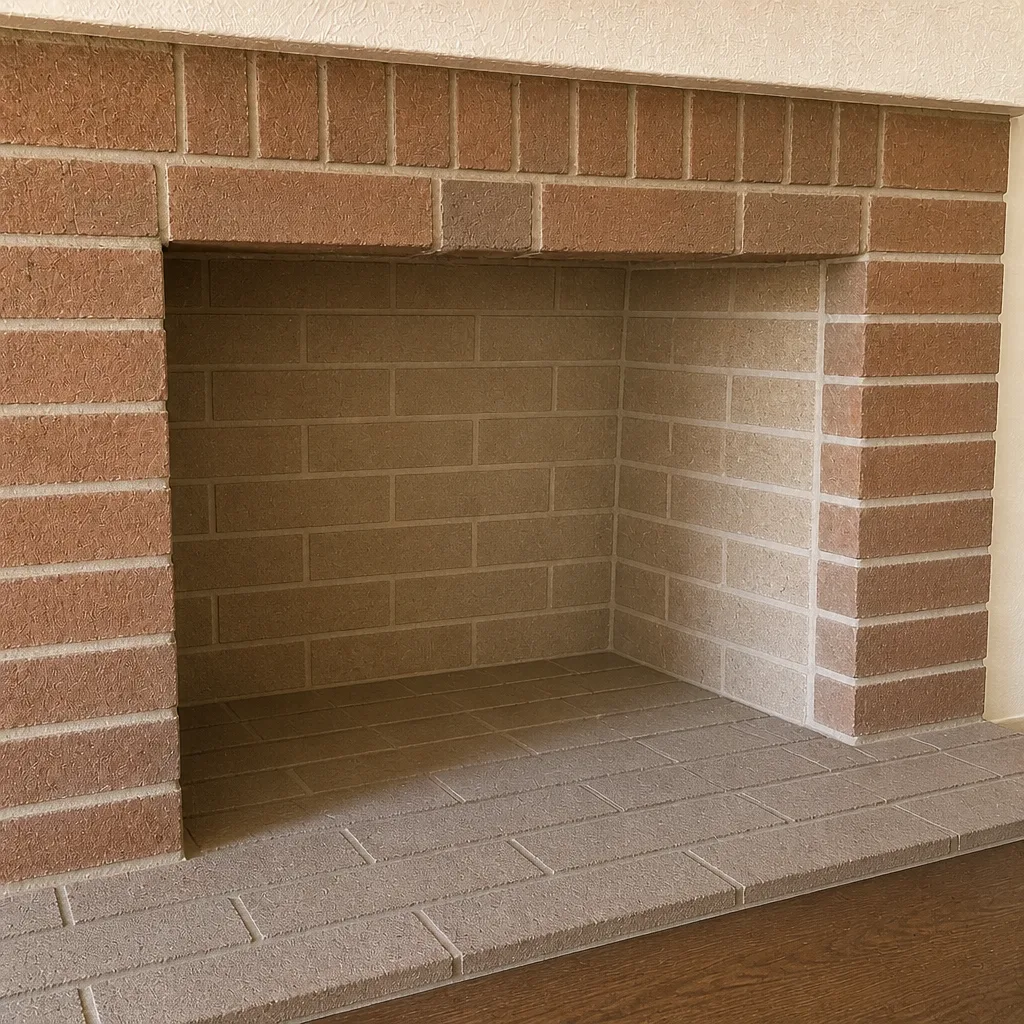
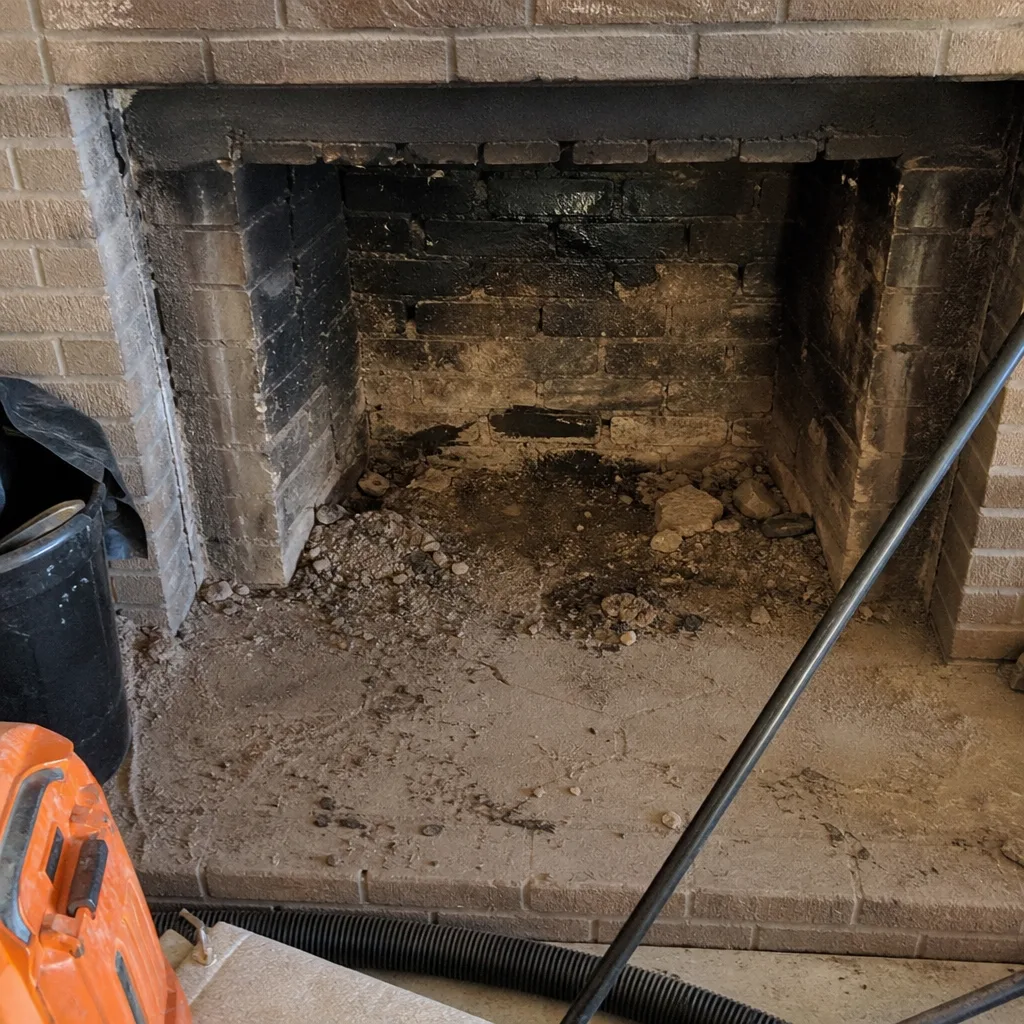
See the difference
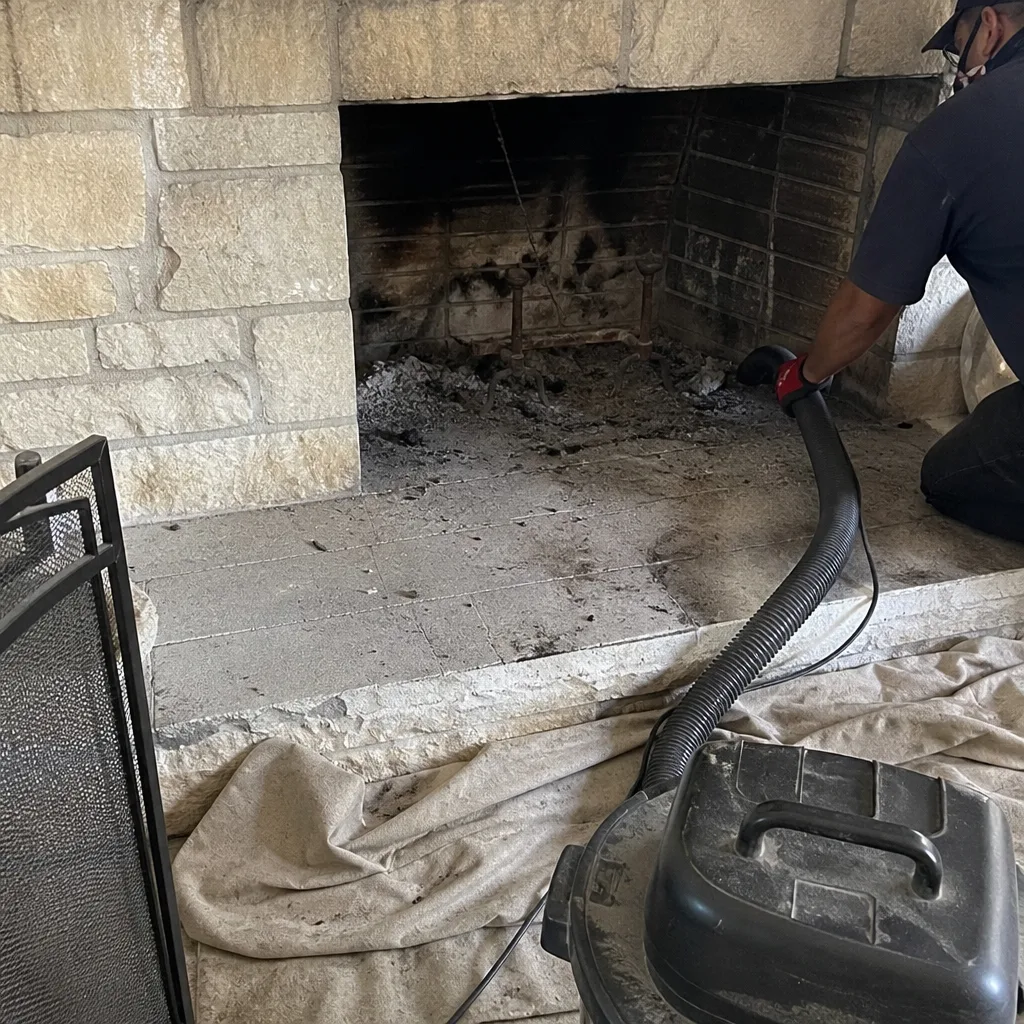 Before
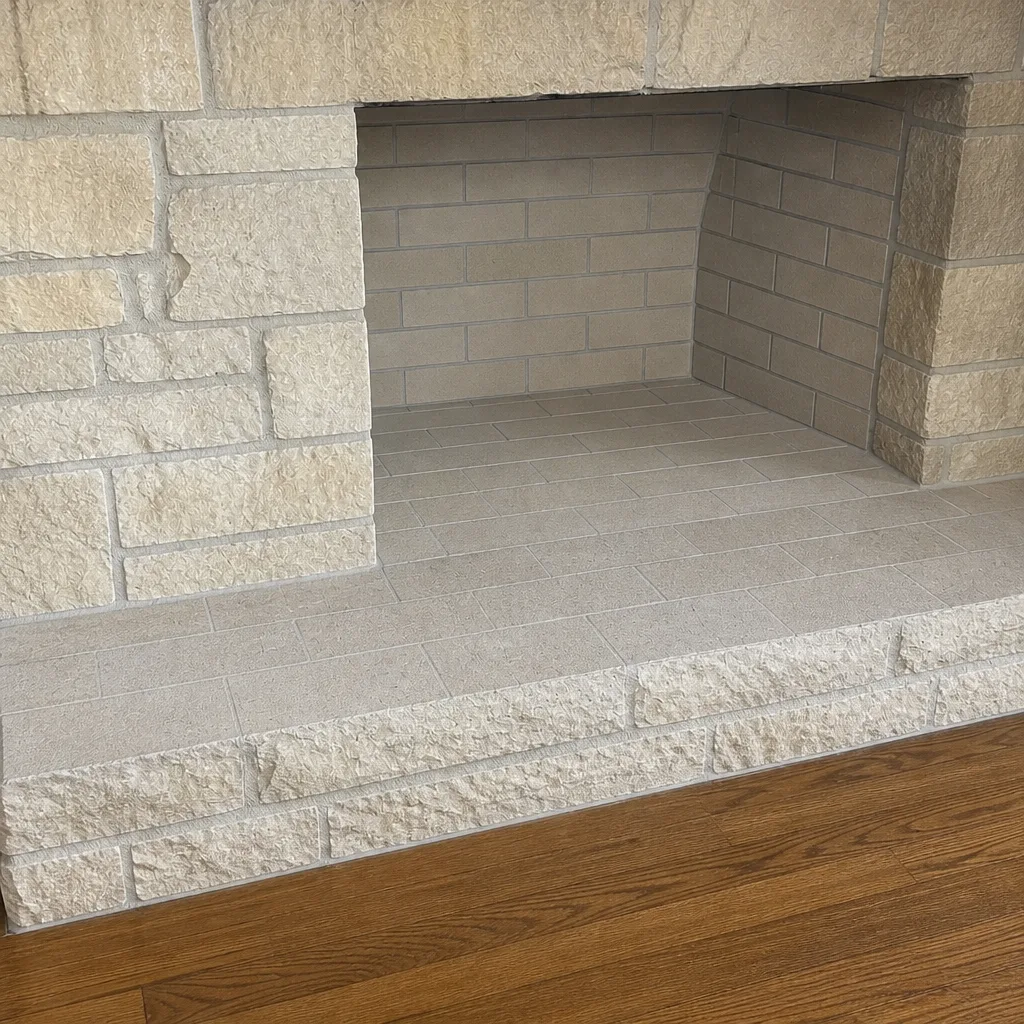 After
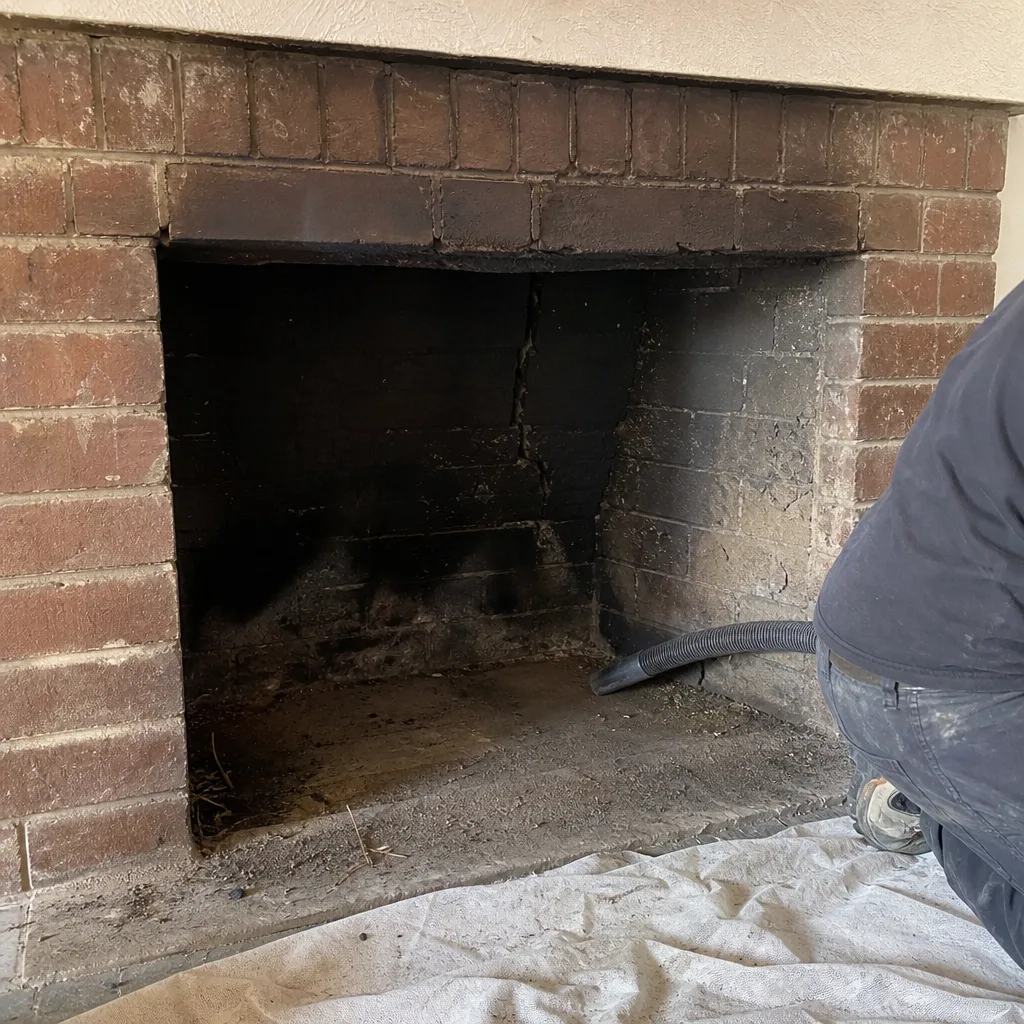 Before
 After
 Before
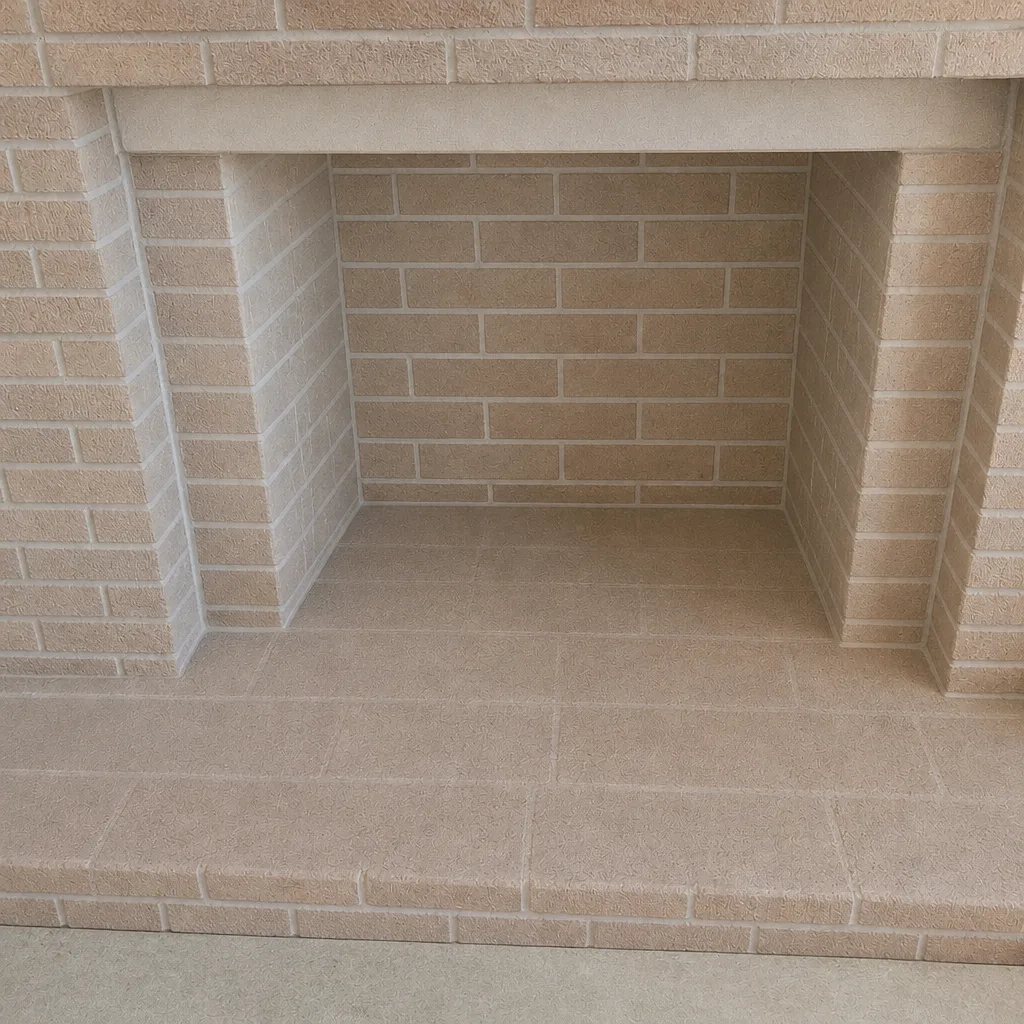 After
The Year-by-Year Log That Saves You at Home Sale
Homeowners ask us what documentation actually matters when they list a home. The answer: sweep dates, creosote levels found, and any repair (with dates and material). That’s it. That’s the record a buyer’s inspector wants to see, and it’s the record that turns “I think it was inspected” into “here’s the page.”
Here’s the format we recommend. Keep it in a folder or scan it. One page per year.
- Date of inspection and sweep. Separate lines for each.
- Who performed the work. Company name and any certification reference the technician provides.
- Type of flue found. Clay tile, stainless liner, HeatShield-resurfaced, or other.
- Creosote level found. Recorded as a level (the industry uses a 1-2-3 system, where 3 is glaze) or the measured thickness (e.g., “1/4 inch”).
- Repairs recommended and their status. Declined, scheduled, or completed. Include the date and the materials used.
- Condition notes at the cap and crown. “Crown inspected, no cracks noted” is enough; “hairline crack on north side, sealed” is better.
- Photos if you have them. Before and after shots of the firebox and crown are worth the space on your phone.
Two things make this log work. First, keep it current. An eight-year-old log with nothing after it looks worse than none. Second, keep the details the buyer will ask about: liner type, any masonry repairs, and the sweep dates for the last few years. During a home sale, “Documented sweeps every year” closed a question faster than any verbal claim ever will.
Scheduling a Sweep in Edinburg: What Actually Happens
A chimney sweep visit in Edinburg is less complicated than homeowners expect. The sequence matters, because it determines what the technician can see and what you’ll get told.
- You call and describe the setup. Wood, gas, or pellet. Insert, stove, or open fireplace. Any known issue.
- We book the visit. The written estimate is agreed before anything is booked; there’s no surprise bill.
- The technician inspects first. A flashlight check from the firebox, then up the flue. Camera inspection and a photo report are included so you can see what was found.
- The sweep happens to the standard you agreed to. Tools sized to the flue, surface swept, debris captured.
- You get a condition report. Creosote level, cap and crown condition, liner condition, and any recommendation. If a repair is needed, it’s shown to you in the photos, not just described.
That last step is where trust is won or lost in this trade. Homeowners who’ve been told they need thousands of dollars of liner work with no evidence have every right to be skeptical. Nothing should be recommended without camera evidence you can see for yourself, and if work can safely wait, we say so. Call (833) 754-6303 for a free estimate in Edinburg. We answer 24/7. Fast dispatch from 7am to 7pm, Sunday through Friday.
Common Mistakes to Avoid
- Booking the sweep at the last minute in fall. Edinburg homeowners all want the same window once the first cool snap arrives. Post-season and late-summer sweeps skip the queue entirely and cost less to schedule.
- Treating the annual inspection and the annual sweep as the same thing. The inspection tells you whether the system is safe; the sweep removes buildup. A gas fireplace, for example, needs an annual inspection but almost never needs a sweep. Skipping the inspection because you didn’t need a sweep is the wrong trade.
- Deferring cap work to late fall. As we said above, late summer is the wrong time to defer crown and cap maintenance in Edinburg; the rain cycles are coming.
- Using wet or green firewood to stretch the burn. It creates more creosote per cord than seasoned wood, so you end up paying for it in extra sweeps and premature liner wear.
- Trusting a sweep visit that comes with a repair quote and no photos. Ask to see the camera inspection output, or find someone who includes it as part of the visit.
- Doing any liner or crown work as a “patch” with off-brand materials. Generic components may fit this week and not fit after a season of cycling. The professional brands (DuraFlex, HeatShield, Gelco, Olympia Chimney, Famco, Copperfield) exist because they hold up to specific conditions; substituting them is where callbacks come from.
- Not keeping records. The log we described above is the one thing that reliably matters at home sale and during an insurance claim.
When to Call a Professional
Call a professional immediately if smoke spills back into the room when you open the damper, you smell gas when the fireplace is off, or you see glaze-level buildup on the flue wall. Book a visit if the chimney has never been inspected since you moved in, if a home sale is coming, or if you’ve just switched fuels (wood to gas, or gas to wood) and aren’t sure the flue is rated for the new setup. Don’t climb onto the roof yourself to look at the cap: height falls and carbon monoxide are real risks that a trained technician is equipped to manage. Chimney Sweep Edinburg offers free estimates in Edinburg; call (833) 754-6303 with the setup, and we’ll walk you through the right first step. For a chimney sweep, a repair, or a formal inspection, we’re a single point of contact for the whole lifecycle. Start at our Chimney Sweep Edinburg home base if you’re new to us.
Frequently Asked Questions
At least yearly inspection, and sweep when the flue holds a quarter inch or more of creosote; light-use wood fireplaces often go every second or third season, while heavy winter users may need sweeping twice a season. Fuel type matters more than the calendar month. Call (833) 754-6303 for an exact quote; estimates are free.
You need a new liner when the inspection shows cracked or displaced tiles, failed joints, or surface damage that leaks combustion gas into the chimney structure; you don’t need one just because a technician says so. Ask to see the camera inspection photos before agreeing to anything. If the liner is sound, we say so, and we’ll tell you how long it should last. Call (833) 754-6303; estimates are free and every recommendation is backed by photos.
Creosote accumulates faster than you can see from the firebox, and at quarter-inch levels it becomes fuel for a chimney fire, plus restrictions that hurt draft. Glaze-level creosote is genuinely dangerous and requires a trained technician to remove. It doesn’t rush you, but it does deserve the annual visit. Call (833) 754-6303 to book; estimates are free.
The applicable standard (NFPA 211) sets an annual inspection for chimneys, and most city building departments will expect documentation of maintenance at home sale or after a chimney fire; always confirm local requirements with the city’s building department for your specific property. We work to that standard as the baseline. Call (833) 754-6303; estimates are free.
A standard sweep typically runs in the low-to-mid $100s for a single flue, and inspections are generally in a similar range; both are set by the written estimate per job and confirmed before we book. Call (833) 754-6303 for an exact quote; estimates are free.
A sweep removes creosote and soot; an inspection evaluates the whole system (flue, cap, crown, flashing, appliance connection) for safety and condition. Most homes need an annual inspection and a sweep based on measured buildup, which is why we recommend booking them together. Call (833) 754-6303 to line both up; estimates are free.
The Bottom Line
The best chimney maintenance schedule for your home isn’t a calendar; it’s a decision tree. Start with your fuel and your burn rate, then set inspection frequency and sweep intervals to match. Keep the three checklists (pre-season, mid-season, post-season) separate so each task lands in the right window. Treat cap and crown work as a late-summer job, not a late-fall deferral. Match liner inspections to the actual liner type in your flue, and keep a written log that follows the chimney through every year and every home sale. Call (833) 754-6303 for a free estimate in Edinburg. We answer 24/7. Fast dispatch from 7am to 7pm, Sunday through Friday.
Written by the team at Chimney Sweep Edinburg.