
Last updated November 15, 2026
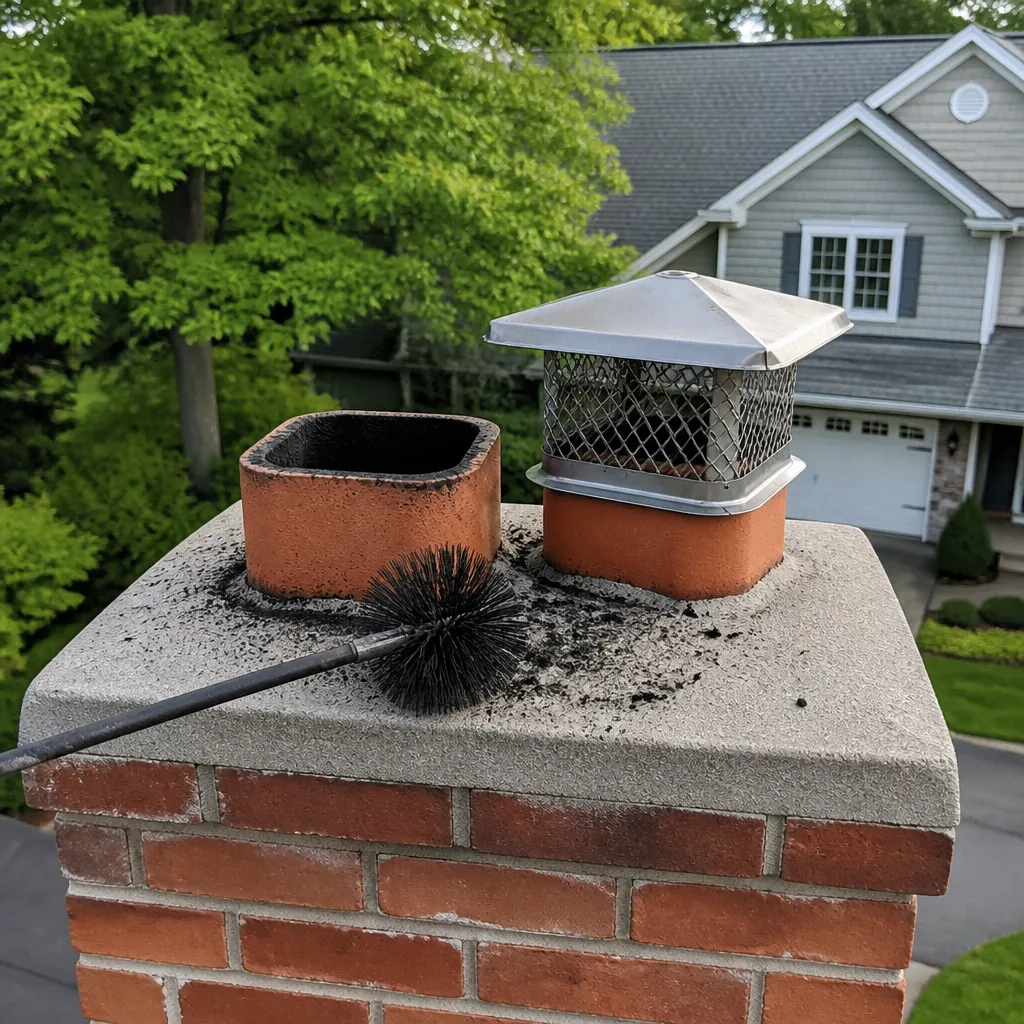 Sweep & inspection
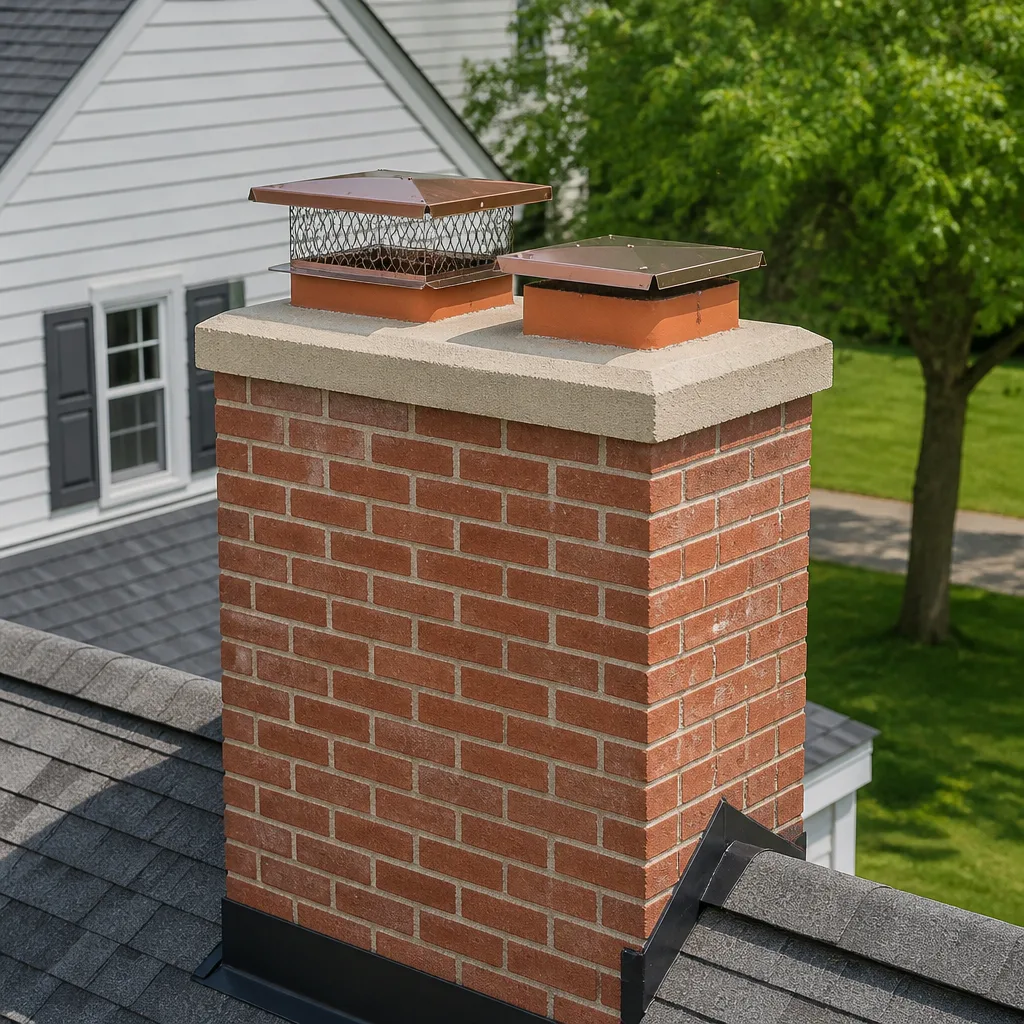 Caps & crowns
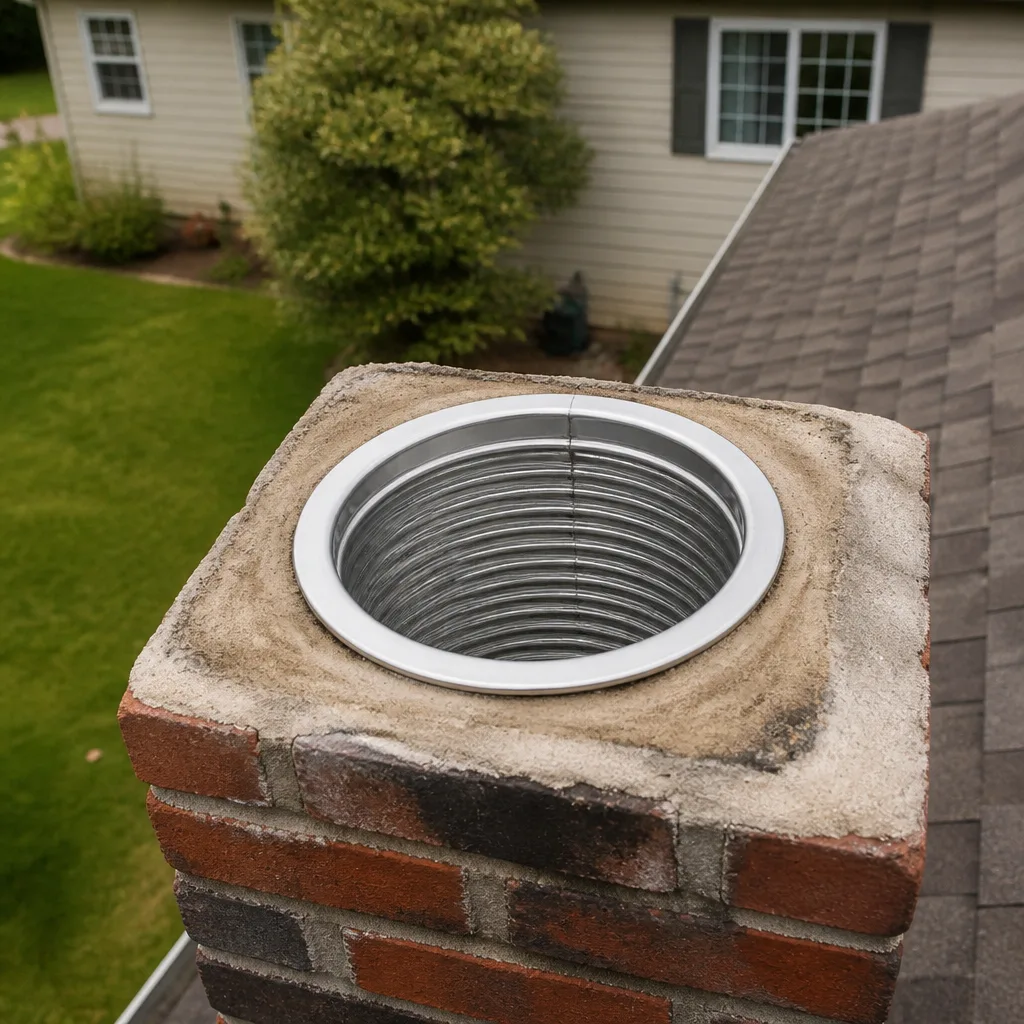 Flue relining
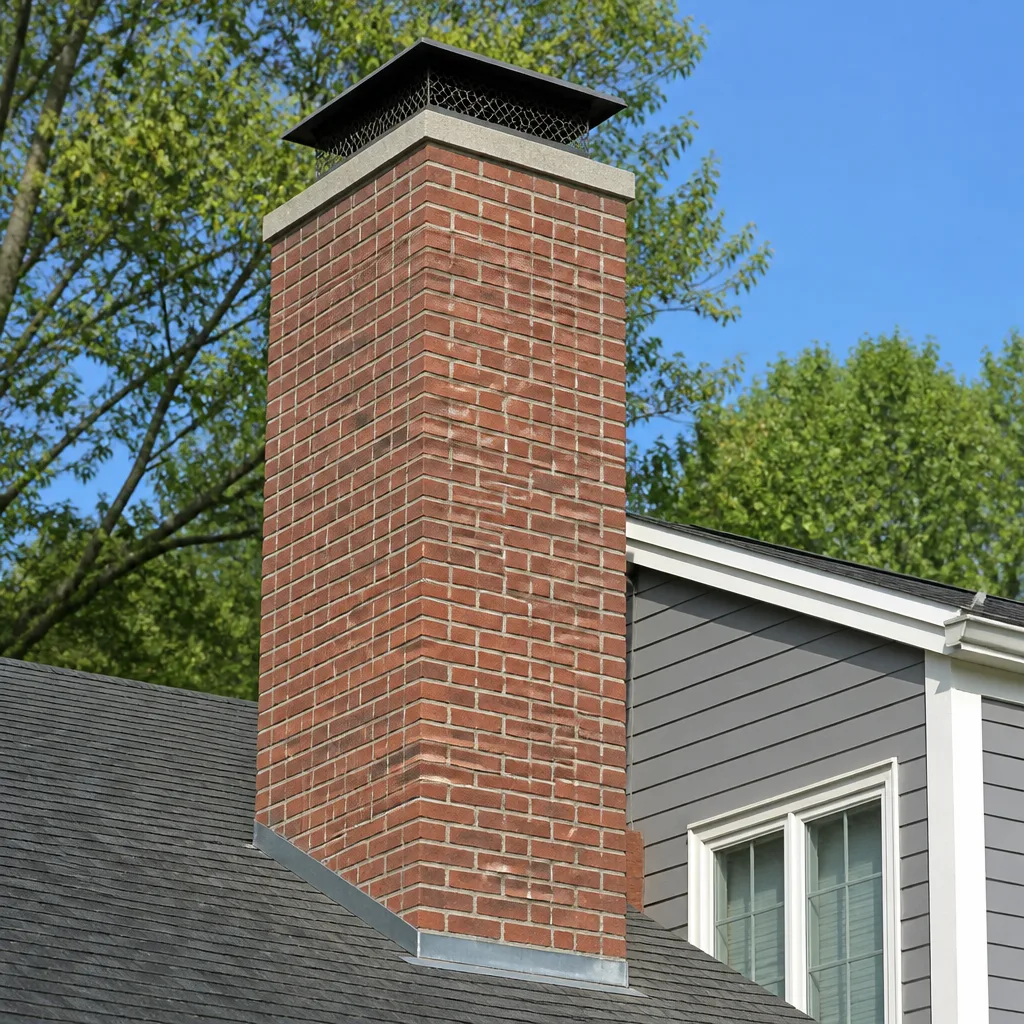 Masonry repair
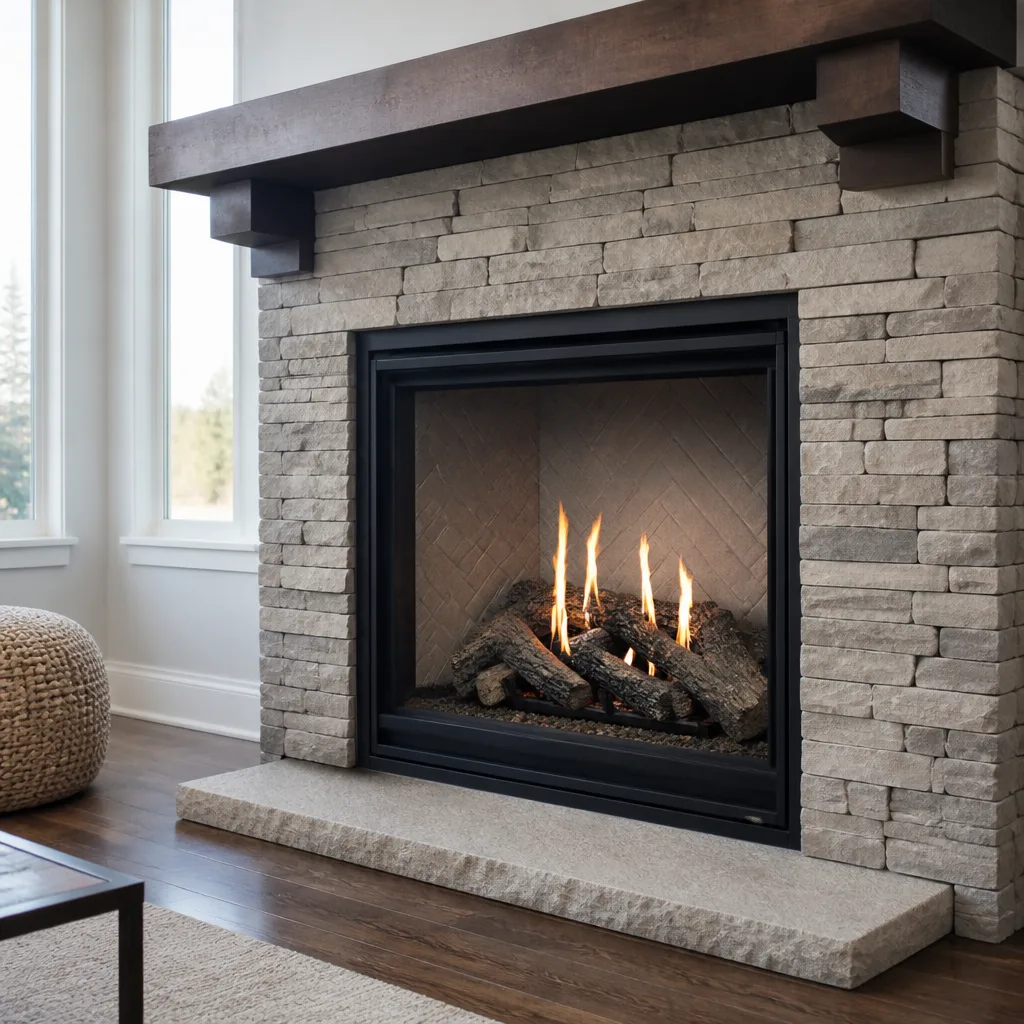 Gas fireplace service
Level 1 sweep and inspection to the NFPA 211 annual standard - flue, crown, cap, and flashing checked and photographed
Chimney sweep logs do not sweep chimneys. They loosen some creosote - which then falls where a brush and vacuum still have to collect it.
Chimney Cleaning Permits, Codes & Inspections in Edinburg, TX: What You Need to Know
The counterintuitive part of chimney permitting in Edinburg is this: the sweep itself almost never needs a permit, but the work that a sweep uncovers often does. Homeowners who discover they need a chimney liner replacement frequently don’t realize that unpermitted liner work in Texas can surface during a home sale inspection and trigger renegotiation, sometimes years after the job was done. The same is true of a firebox rebuild or a masonry repair that nobody filed paperwork for. This guide walks through where the permit line actually sits in Edinburg, Texas, what the state codes require, how NFPA 211 fits in even when no permit is involved, and what documentation you should walk away with to prove the work was done right for your insurer and any future buyer.
Quick Answer
In Edinburg, Texas, chimney cleaning by itself does not require a permit, but structural chimney work like a liner replacement, firebox reconstruction, or significant masonry repair usually does. The work is judged against the International Residential Code (Chapter 10, which covers chimneys and vents) and inspected to NFPA 211 standards. Always confirm permitting with the City of Edinburg’s building department before work starts, and ask your contractor for written proof of code compliance so your insurance and future resale are protected.
Styles & brands we work with
- Sweep & inspection
- Caps & crowns
- Flue relining
- Masonry repair
- Gas fireplace service
Table of Contents
- Where the Permit Line Sits for Edinburg Chimney Work
- What Texas Building Codes Require of Chimney Systems
- Cleaning vs. Relining vs. Cap Replacement: What Triggers a Permit
- How Edinburg and Hidalgo County Handle Chimney Permits
- NFPA 211 and Why It Matters Even Without a Permit
- What to Get in Writing for Insurance and Resale
- What a Chimney Inspection in Edinburg Actually Involves
- Permits and Your Home Sale: What Buyers and Lenders Check
Where the Permit Line Sits for Edinburg Chimney Work
Most Edinburg homeowners assume “chimney work” is a single category. It isn’t, and the permit rules split along a fairly clean line: maintenance and cleaning on one side, structural alteration on the other. The dividing question a permit office will ask is simple. Are you maintaining existing materials, or are you changing the structure or the flue pathway?
Cleaning a flue, inspecting a chimney, and replacing a spark-arresting cap are all maintenance. A liner replacement, a firebox rebuild, a crown replacement that changes the chimney’s profile, or a chase enclosure change all involve altering the venting system. Those trigger a permit in most Texas jurisdictions that have adopted the IRC family of codes.
We’ve handled enough work around Edinburg to see the pattern clearly. Homeowners remember the sweeping invoice because it’s small and routine. They forget the relining permit because the contractor told them “it’s a small job.” Years later, that gap becomes a problem.
- No permit typically required: annual sweeping, level 1 and level 2 inspections, cap replacement on an existing chase, damper maintenance, minor caulking.
- Permit usually required: inserting a new flue liner, firebox reconstruction, crown rebuild, chimney chase repair that changes structural dimensions, converting a wood-burning appliance to gas venting.
- Verify locally every time: repairs that touch the chimney’s exterior envelope may also overlap with Hidalgo County or City of Edinburg building rules depending on scope.
None of this replaces the actual answer from your local permit office. Codes change and jurisdictions differ. But the general categories hold up, and they’ll save you from a surprise during a home sale inspection.
What Texas Building Codes Require of Chimney Systems
Texas doesn’t maintain a standalone chimney code. Local jurisdictions adopt model codes, and the most common in this part of the state is the International Residential Code (IRC). Chapter 10 of the IRC covers chimneys and vents, and that’s the chapter that matters for anyone doing structural chimney work in Edinburg.
The IRC Chapter 10 provisions most relevant to homeowners include:
- Clearance to combustibles: chimneys must maintain specific distances from framing, sheathing, and insulation, and for masonry chimneys that usually means a 2-inch air space or equivalent protection.
- Flue liner requirements: factory-built chimneys use listed liner systems, and masonry chimneys require a clay tile or approved liner with proper joints and no breaks.
- Termination height: the chimney must extend a specific height above the roof and surrounding structures so smoke and gases vent clear.
- Cap and spark arrestor: required at the flue outlet to keep out weather and debris and to contain embers.
- Hearth extension: a noncombustible hearth extending a set distance from the firebox opening.
When we recommend chimney repair on a home near Edinburg, it’s because a breach in any of these areas creates both a code failure and a real safety concern. The IRC isn’t abstract paperwork. Every line item above exists because a chimney failed at some point and someone got hurt.
Edinburg’s older housing stock, particularly in and around areas like the neighborhoods near the Indian Hills community, sometimes has original masonry chimneys that predate current code. That’s normal. Older chimneys are permitted to remain in service if they’re maintained, but any structural repair has to bring the affected area up to what today’s code requires.
Cleaning vs. Relining vs. Cap Replacement: What Triggers a Permit
The easiest way to sort this out is to look at the most common chimney jobs one at a time. Each has its own permit story.
Chimney sweeping (no permit)
A standard chimney sweep is maintenance. No permit. No inspection required by the permit office. It should still follow NFPA 211 procedures, still produce a written report, and still be done by a technician trained specifically on flues. Our technicians have up to 8 years of experience, and every one of them works chimney-only, not split across general trades.
Level 1 or level 2 inspection (no permit)
Inspections are diagnostic work, not alterations. No permit. They matter enormously for information, but nothing gets filed with the city.
Cap replacement (no permit)
A cap replacement on an existing chase, or a cap swap on an existing flue, is a maintenance-level repair. No permit in most jurisdictions, including Edinburg. Gelco caps are built for this purpose and swap cleanly onto a flue that’s otherwise sound. If the chimney has no cap at all, adding one is still maintenance in nearly every jurisdiction we’ve seen, though it’s worth a one-line phone call to confirm.
Liner replacement (permit likely required)
Here’s where the answer flips. Inserting a new flue liner changes the venting system’s composition. An existing masonry flue lined with broken clay tile that gets relined with an insulated stainless system like a DuraFlex flexible liner is a material change under the IRC, and most jurisdictions require a permit for it. Some will allow a “repair in kind” without one if the liner is a direct match, but the safe assumption for an Edinburg homeowner is: permit required.
HeatShield ceramic flue resurfacing is a special case. It isn’t a full relining; it’s a targeted repair to specific joints and voids in an otherwise viable clay flue. Whether it triggers a permit varies by jurisdiction. In practice, many permit offices accept HeatShield work as repair when the scope is limited and the ceramic material restores an existing flue to its original rating. We always frame it to the client in writing as part of the job scope so there’s no ambiguity during an inspection or a sale.
Firebox reconstruction (permit required)
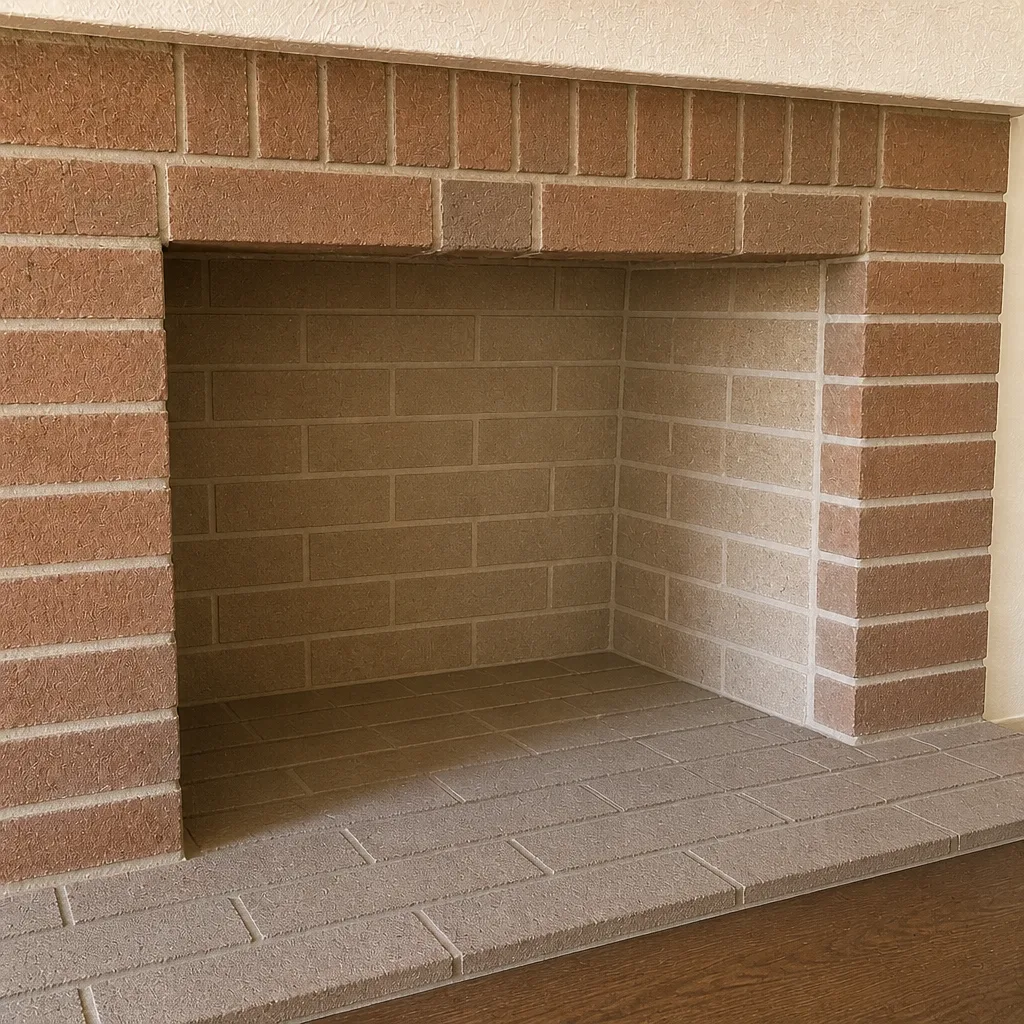
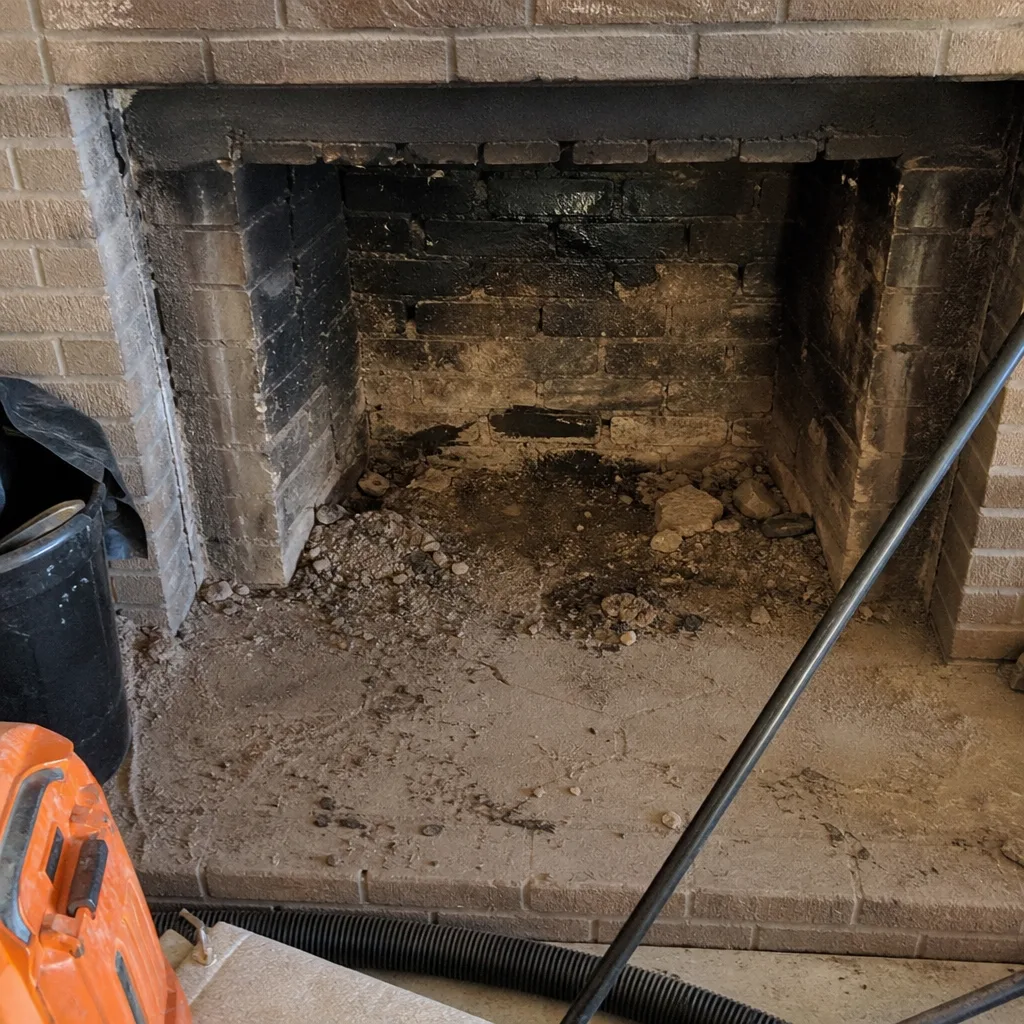
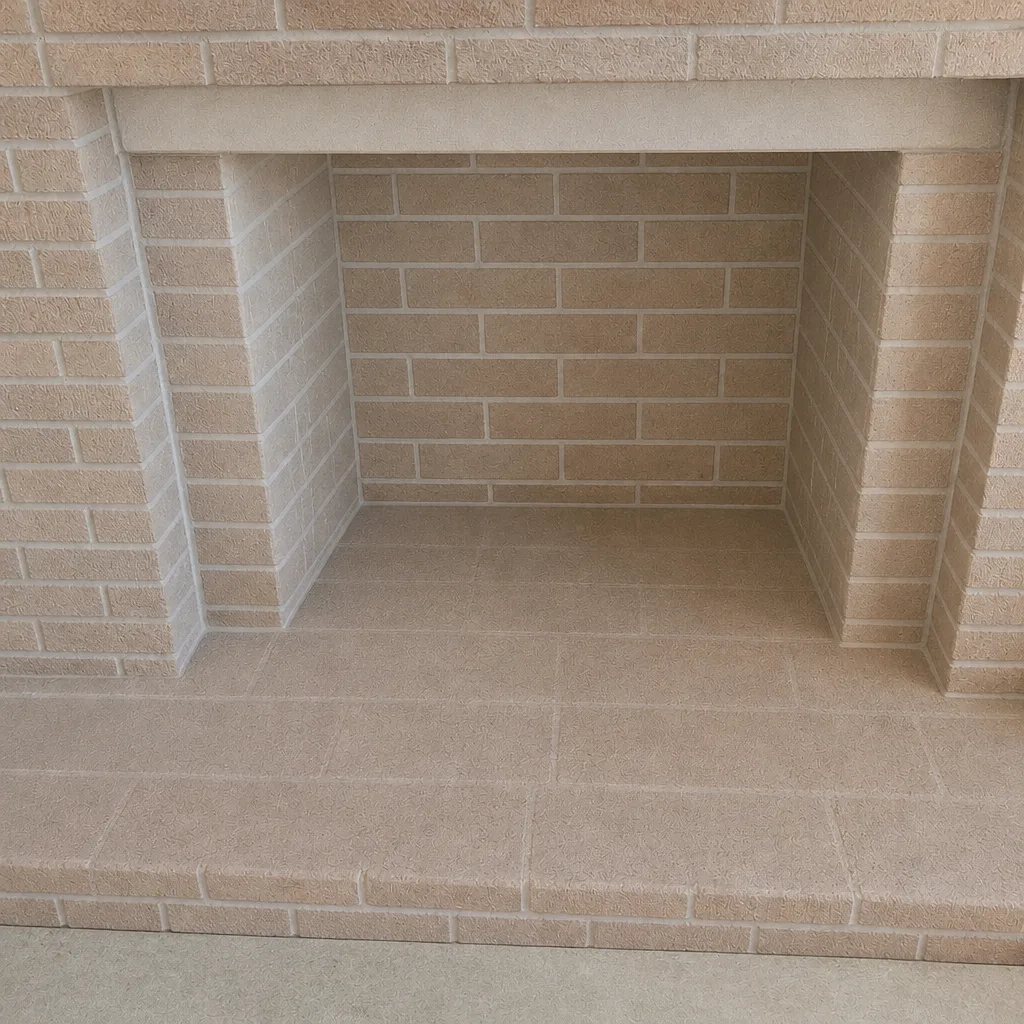
The firebox is where the fire actually lives, and its dimensions, materials, and cleanout all matter under IRC Chapter 10. Rebuilding firebox brick, replacing a damaged firebox floor, or repairing a firebox that’s lost its refractory protection is structural work. Permit required.
Crown replacement (permit usually required)
The crown is the sloped concrete or mortar cap at the very top of the chimney. Replacing or reconstructing it changes the water-shedding surface of the chimney top. Most permit offices require a permit for full crown replacement. Minor mortar repair at the crown edge usually doesn’t.
How Edinburg and Hidalgo County Handle Chimney Permits
The City of Edinburg has its own building permit office, and Hidalgo County has a separate one for unincorporated areas. Which one handles your permit depends on whether the property sits inside city limits. Most Edinburg addresses fall inside city limits and go through the City’s building department. Rural properties on the edges of Hidalgo County may fall under County jurisdiction.
Before any structural chimney work begins, expect to provide:
- A description of the work and its location on the property.
- Drawings or manufacturer specification sheets for the liner system or structural elements being installed. If you’re using a DuraFlex liner or Olympia Chimney components, the manufacturer’s spec sheet comes with the material.
- The installing contractor’s information and, where required for the scope, licensing detail.
- An inspection appointment, typically scheduled after the work is complete, so a municipal inspector can verify code compliance on the affected portion.
In our experience, the permit process in Edinburg is not slow or hostile to homeowners. It’s a straight documentation exercise, and the contractors who pull permits regularly have the process down to a routine. Those who don’t advise skipping it are usually avoiding the paperwork, and the homeowner is the one who inherits the risk.
We can’t tell you what your specific permit fee will be, because fees are set by the city and vary by scope. We can tell you that the permit is the smallest cost in any chimney project and the most valuable piece of paper you’ll have at sale time.
NFPA 211 and Why It Matters Even Without a Permit
NFPA 211 is the consensus standard for chimneys, fireplaces, vents, and solid fuel-burning appliances. It’s published by the National Fire Protection Association, and it’s the standard that trained chimney professionals work to regardless of whether a municipal permit is involved.
Here’s why that distinction matters. A municipal permit inspection checks code compliance on the portion of work that the permit covers. NFPA 211 is broader: it defines the levels of chimney inspection, the cleaning procedures, the recommended maintenance schedule, and the condition criteria a chimney must meet to be safe. Most municipal permit inspectors are not trained chimney specialists. They’re building inspectors who check that the installation matches the approved plans and the code book. NFPA 211 inspections go deeper, into the flue’s actual condition, the appliance’s venting path, and the structural integrity of the chimney as a whole.
Three levels of inspection are defined under NFPA 211:
- Level 1: Visual inspection of readily accessible portions, done routinely with each sweep or appliance service.
- Level 2: Includes a video camera scan of the flue interior, done when a home is being sold, when an appliance or fuel type changes, or after an event that may have damaged the flue.
- Level 3: Includes access to concealed portions, done only when a specific hazard requires it.
For an inspection near Edinburg, a level 2 with a video scan is the standard a buyer’s inspector is likely to request, and the standard we recommend when a home is changing hands. The inspection is what produces the evidence. The permit is what produces the paper trail. Both matter, and neither replaces the other.
What to Get in Writing for Insurance and Resale
The cleanest way to prevent problems years from now is to keep records from the day of the work. Every chimney project should leave you with a folder that answers, without a phone call, what was done, when, by whom, and to what standard.
Request these in writing from your contractor:
- Scope of work: plain-language description of what was replaced, repaired, or cleaned, with brand names where applicable.
- Permit number and inspection result: if the work required a permit, the issued permit number and the final inspection sign-off from the City of Edinburg or Hidalgo County. Save both.
- Materials documentation: manufacturer spec sheets or product data for liner systems (DuraFlex, Olympia Chimney), resurfacing materials (HeatShield), or caps (Gelco, Famco). These support insurance claims and resale disclosures.
- Inspection report: a written report of the chimney’s condition before and after, ideally with photos, listed against NFPA 211 levels.
- Contractor identification: business name, contact, and any license or registration the jurisdiction requires for the work scope.
If you’re using Chimney Sweep Edinburg, all of this comes standard. We use the same industry brands the pros use because the documentation is one thing, and the material durability is another, and both have to hold up. Chimney Sweep Edinburg covers sweep, repair, and inspection under one roof so the paper trail lives in one folder instead of three contractors’ inboxes.
The alternative, a contractor who does the work but leaves nothing behind, is common. It’s also the pattern that shows up in sale negotiations when a buyer’s inspector finds a liner that isn’t documented, or a firebox that was clearly rebuilt with no permit on file. The disclosure question then becomes: was this done safely? And the honest answer, from the homeowner’s side, is “we don’t know.”
What a Chimney Inspection in Edinburg Actually Involves
A proper inspection is a structured process, not a five-minute walk up a ladder. In our experience, here’s how a level 2 inspection runs when it’s done to NFPA 211.
- Exterior survey: the technician checks the chimney’s exterior condition, the crown, the flashing, the cap, and the termination height against the roof line.
- Firebox and damper: the firebox is inspected for refractory damage, and the damper is operated to confirm it seals fully.
- Smoke chamber and flue: a video camera is lowered through the flue to check for tile cracks, gaps, offset joints, and buildup.
- Appliance connection: for a wood insert or fuel-burning appliance, the connector pipe, clearances, and venting path are checked.
- Attic and concealed clearances: where accessible, the technician verifies that combustible framing maintains clearance to the chimney structure.
- Written report: findings documented against NFPA 211 condition categories, with photos and a written recommendation.
The reason this standard matters even without a permit is that Edinburg’s climate is mild but not idle. Winter heating season runs shorter than in northern climates, which means a chimney can sit unused for months, then suddenly see daily use when the first cold front moves through. Creosote that built up the previous season sits through the summer and hardens. A video inspection catches glazed creosote before it becomes a fire risk, and catches cracked tile before moisture and heat turn a hairline into a breach.
A proper sweep also protects against the most common misconception in chimney care: that a small, clean-burning fire means the chimney never needs a sweep. It’s the opposite. Small hot fires can produce different creosote profiles than slow smoky ones, and the only way to know is to look.
Permits and Your Home Sale: What Buyers and Lenders Check
When a buyer’s inspector walks through a home in Edinburg, they look at the chimney the same way they look at the roof and the electrical panel. Is the work documented? Does it match a permit? Was it inspected? If the answer to any of those is no, the report notes it, and the report becomes a negotiating document.
The buyer has two paths. One, ask the seller to produce the permit and inspection record. Two, if it can’t be produced, ask for a price reduction or a credit to cover relining the chimney again from scratch, on the assumption that the condition can’t be verified. The second path is common, and it’s expensive for the seller because it prices in the worst-case scope.
Lenders care for a simpler reason: a chimney is a safety and structural component that can affect insurability. An unpermitted liner replacement or firebox reconstruction is insurance-relevant information. If your homeowner’s policy underwriter asks for documentation of a chimney repair and it isn’t there, the conversation is unpleasant. The straightforward fix is to have the paper trail ready.
We’ve seen enough home sales in Edinburg to tell you plainly: permit documentation is not a bureaucratic nicety. It is the single cheapest way to protect the resale value of a chimney-related repair, and the single most common thing homeowners fail to ask for.
Common Mistakes to Avoid
- Assuming a sweep permit is required. It isn’t, and a contractor who charges you for one is padding the invoice. Sweeping is maintenance; ask for the sweep invoice, not a permit number.
- Letting a contractor skip the permit on a liner replacement. This is the most expensive mistake on the list. It doesn’t show up until sale time or insurance time, and by then the contractor may not be around to fix it.
- Not asking whether HeatShield work is permit-track or repair-track. The answer depends on scope, and the answer should be in writing before work begins so there’s no ambiguity when a buyer’s inspector asks.
- Keeping a “paid” invoice and nothing else. An invoice proves money changed hands. It doesn’t prove code compliance. Request permit records, material documentation, and the inspection report alongside it.
- Confusing a municipal inspection with an NFPA 211 inspection. The municipal inspector checks the permit scope. The NFPA 211 inspection checks the whole chimney. They’re related, but they’re not the same document, and home buyers usually ask for the second.
- Waiting until the home is listed to gather records. Track down the permit history during the planning stage. If the prior owner did unpermitted liner work, you want to know now, not in the middle of a sale.
- Hiring a general handyman who also does chimneys. A generalist may not know that the firebox rebuild they’re doing triggers a permit, or that the cap they’re installing is bridging a flue-termination problem that a full inspection would catch. Chimney work, and only chimney work, is the trade you want here.
See the difference
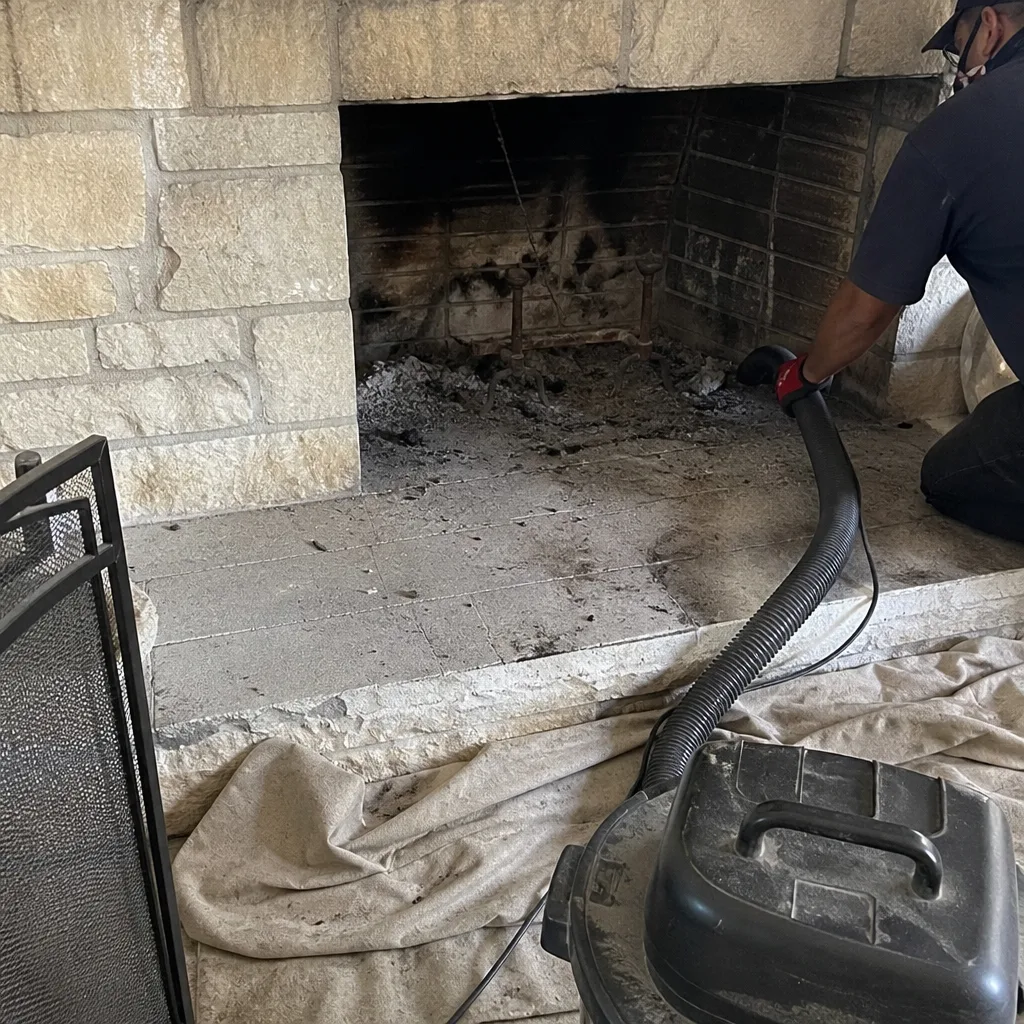 Before
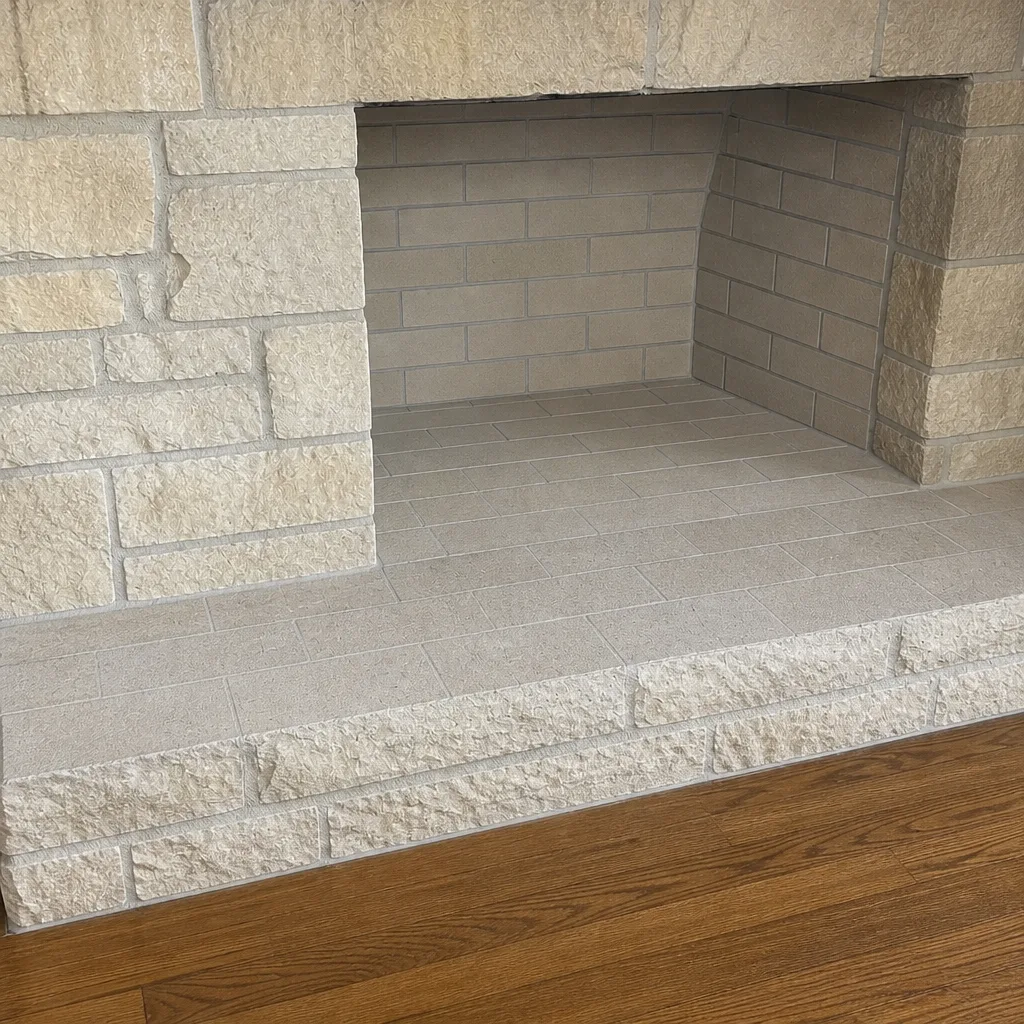 After
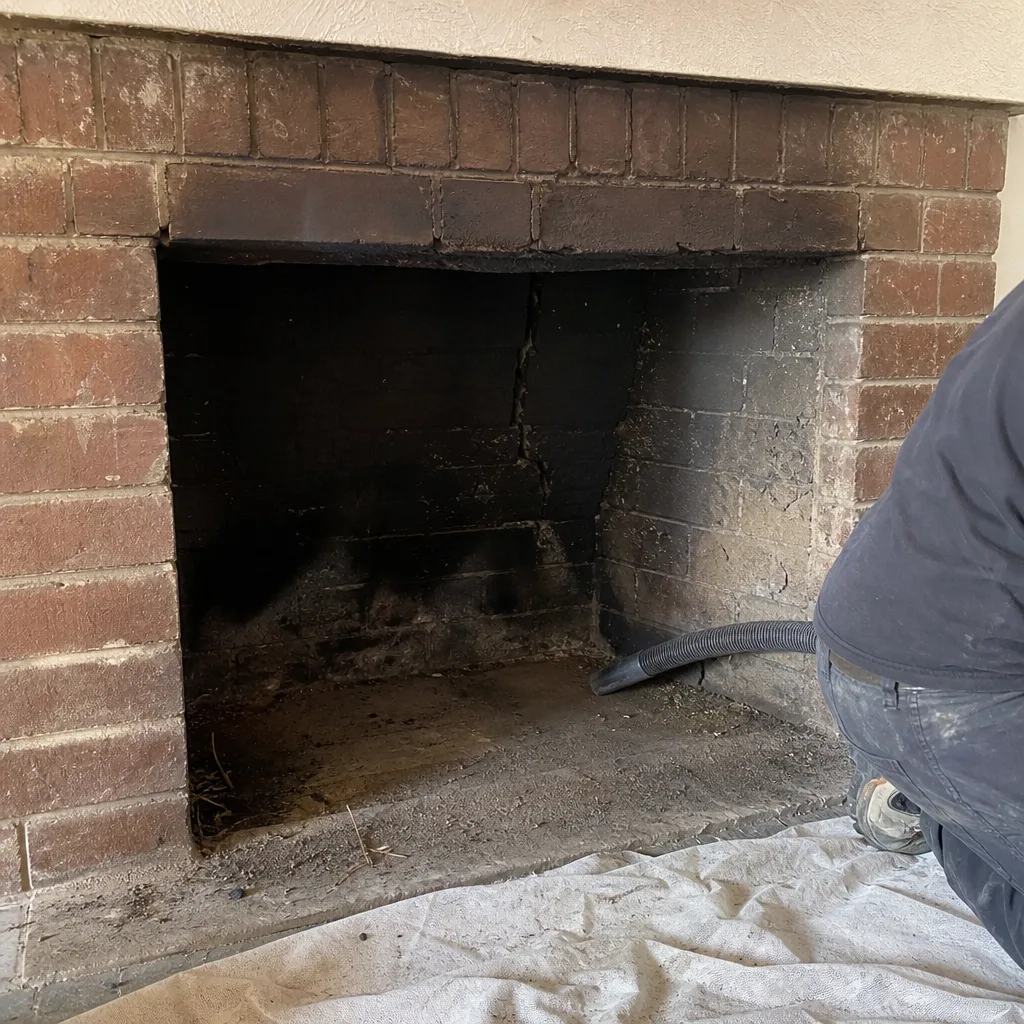 Before
 After
 Before
 After
When to Call a Professional
Most chimney situations resolve into one of a few clear categories. Call a professional if you’ve never had the chimney inspected, if you’ve moved into a home where you can’t confirm prior service, or if a heating appliance started behaving differently than last season. Call if you see cracked tile inside the firebox, rust on the damper, water staining on the chimney chase, or a flue that smokes back into the room. Call if a buyer’s inspection report mentions the chimney without saying it’s fine. And call if you’re planning structural work, like a liner replacement or firebox rebuild, because that’s the moment where permit documentation should be lined up before the truck arrives. Chimney Sweep Edinburg offers free estimates in Edinburg. Call (833) 754-6303 to schedule an inspection or a written estimate.
Frequently Asked Questions
No. Chimney cleaning in Edinburg is maintenance and does not require a permit from the City of Edinburg or Hidalgo County. A permit is only triggered when the work is structural, like a liner replacement or firebox reconstruction. Call (833) 754-6303 for an exact quote on a sweep – estimates are free.
In most Texas jurisdictions that have adopted the International Residential Code, yes. Inserting a new flue liner changes the venting system and is treated as structural work under IRC Chapter 10, so a permit is typically required. Confirm the specific scope with the City of Edinburg’s building department before work begins, and always keep the permit number and final inspection record.
NFPA 211 is the consensus standard for chimneys, fireplaces, and venting appliances, published by the National Fire Protection Association. It matters regardless of permitting because it defines the inspection levels, cleaning procedures, and condition criteria that trained chimney professionals use to judge a chimney’s safety. A municipal permit inspection and an NFPA 211 inspection are different things, and both are worth having on file.
Give them the permit number and final inspection record if structural work was done, the written scope of any repairs, material documentation for the liner or resurfacing system, and the most recent inspection report. If the level 2 inspection predates your ownership or is more than a year old, a fresh one is cheap insurance. Call (833) 754-6303 to book a level 2 inspection.
It can. Insurers increasingly ask for documentation of chimney repairs and will flag unpermitted structural work when it surfaces during a claim or a policy review. The fix is straightforward: permit the work when it’s done, keep the records, and if you suspect prior work was unpermitted, get a level 2 inspection to establish the current condition. Our technicians have up to 8 years of experience and can help sort out what you actually have.
No. Replacing a chimney cap on an existing flue or chase is maintenance, and no permit is typically required. If the cap sits on a chase that has separate structural damage, or if the existing cap is missing and the flue termination needs alteration, ask the permit office whether the combined scope crosses into permitted work. Call (833) 754-6303 for a free estimate on cap replacement with a Gelco or Famco cap matched to your flue.
The Bottom Line
The permit line for chimney work in Edinburg splits cleanly: cleaning, inspections, and cap replacements are maintenance and don’t require a permit, while liner replacements, firebox reconstruction, and crown rebuilds are structural alterations judged against IRC Chapter 10 and do. NFPA 211 sets the inspection standard that keeps a chimney safe regardless of permitting, and the documentation you keep from any chimney project is what protects you at insurance time and resale time. If you’re planning structural chimney work in Edinburg, ask about the permit before the first day of the job, and ask for the permit number and final inspection record before the last. That single habit is the difference between a documented repair and an expensive question years from now.
Call (833) 754-6303 for a free estimate. We answer 24/7. Fast dispatch from 7am to 7pm, Sunday through Friday. Chimney Sweep Edinburg handles sweeping, repair, and inspection under one roof, with the industry brands – DuraFlex, HeatShield, Gelco, Olympia Chimney, Famco, and Copperfield – that certified chimney professionals rely on. From the first sweep to the final inspection, we scope the work to what your chimney actually needs and back it with the documentation your insurer and any future buyer will ask for.
Written by the team at Chimney Sweep Edinburg.